Squirrel In Your Home? Emergency Service Available
Family Business Since 1998
Licensed & Insured
Free Quotes
Humane Removal & Relocation
Industry Leading Guarantees
Squirrels are the number one nuisance animal in the tri-state area. They chew through soffits, fascia, and roof vents to get into attics, then gnaw on electrical wiring, creating a serious fire hazard. The TriState Wildlife team has been providing humane squirrel removal and sealing homes since 1998. We handle gray squirrels, red squirrels, and flying squirrels. Every job includes a full inspection, humane trapping or one-way door eviction, and a complete seal-up with chew-resistant materials backed by a written guarantee.
"TriState trapped the squirrels and sealed it with materials that worked. That was two years ago. No problems since."
— Jim K., Armonk, NY
How We Work
Humane Squirrel Removal Process
We start with a thorough inspection of the attic, roofline, soffits, fascia, gable vents, and ridge vents. We identify every entry point, determine the species involved, check for babies or nesting activity, and assess the extent of the damages.
For gray squirrels, we typically use live cage traps. One-way eviction doors are an alternative method that lets squirrels leave but prevents re-entry through that specific hole. This method is only effective for brand new problems and should never be used during baby season. If you attempt to use this method for established colonies of squirrels, or during baby season, it is virtually guaranteed that the squirrels will rapidly chew back in, potentially causing much more damage.
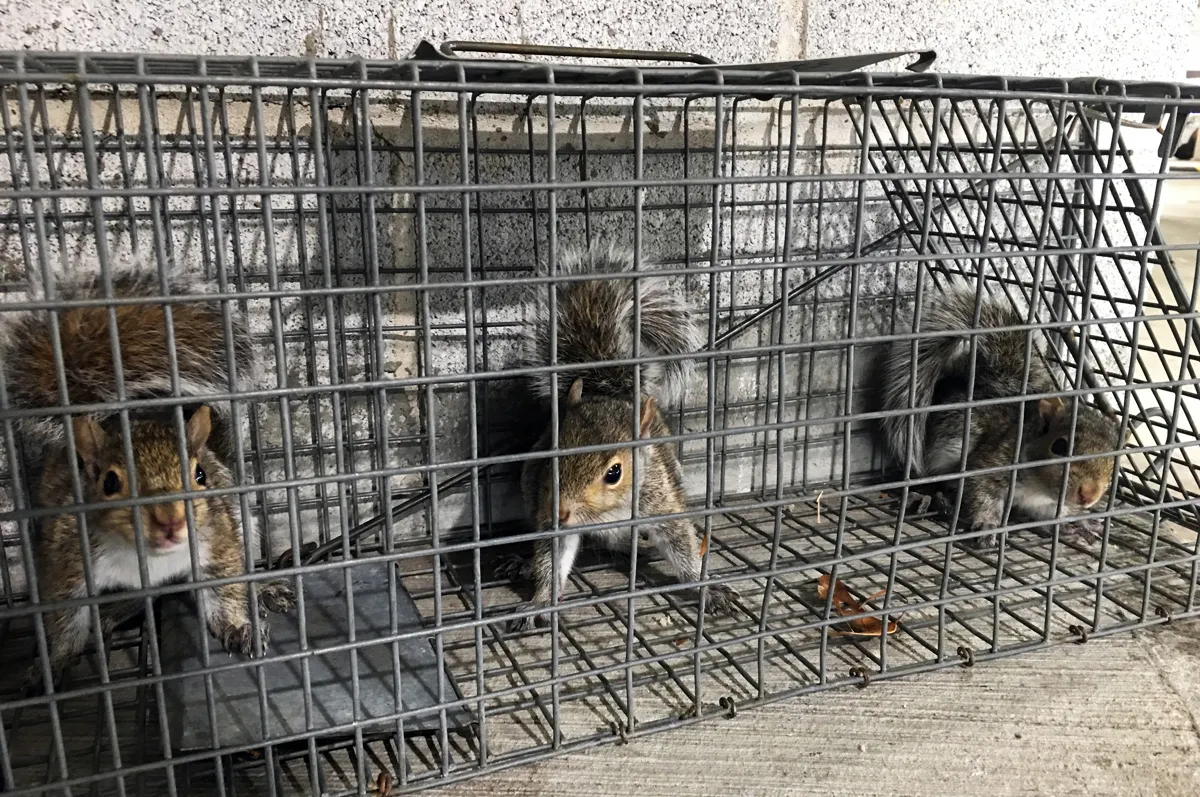
Cage trapping and relocation is the most effective approach for the majority of squirrel problems. Traps are either checked daily or monitored via live streaming cameras, to minimize discomfort to the animals. Trapped females are inspected for signs of nursing to confirm no babies remain inside the structure. All squirrels are relocated a minimum of 20 miles away.
Once all squirrels are out, we seal every entry point with professional-grade chew-resistant materials.
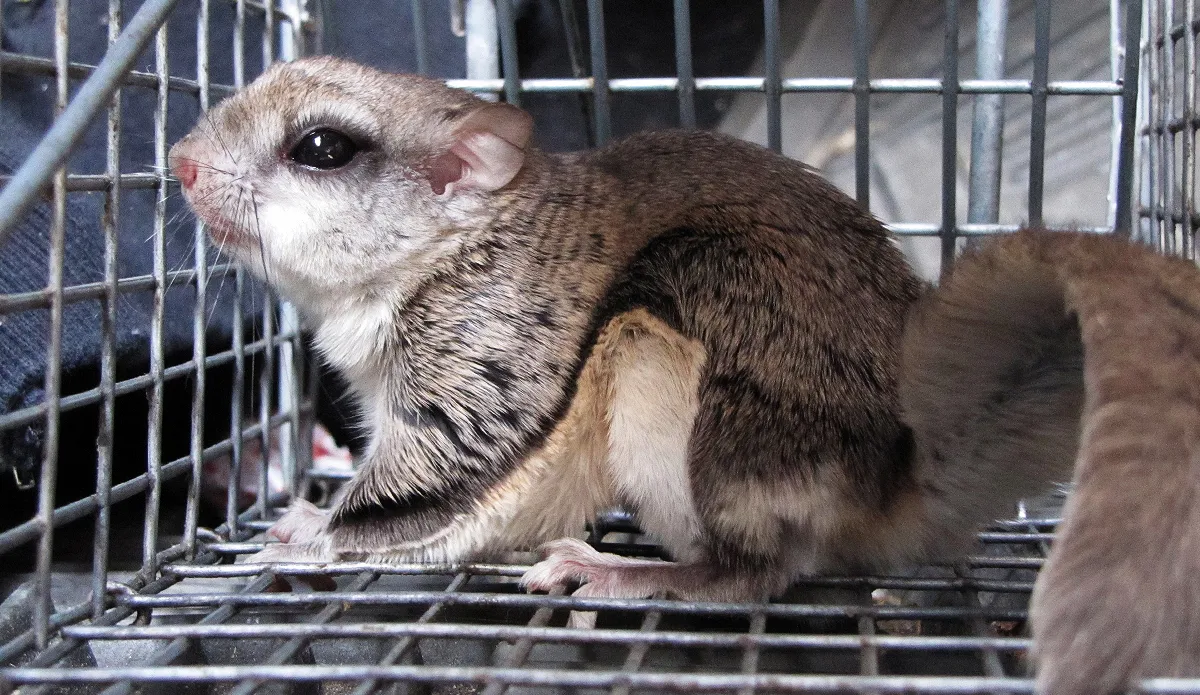
Flying squirrels are colony animals. A single home can harbor 20 or more. They require a different approach, as the gaps they can get in are significantly smaller. We seal the entire structure down to one or two exits, to focus our trapping process. The process of removing the colony can take several weeks before completing the final seal.
Our Squirrel Work
Photos from Recent Jobs
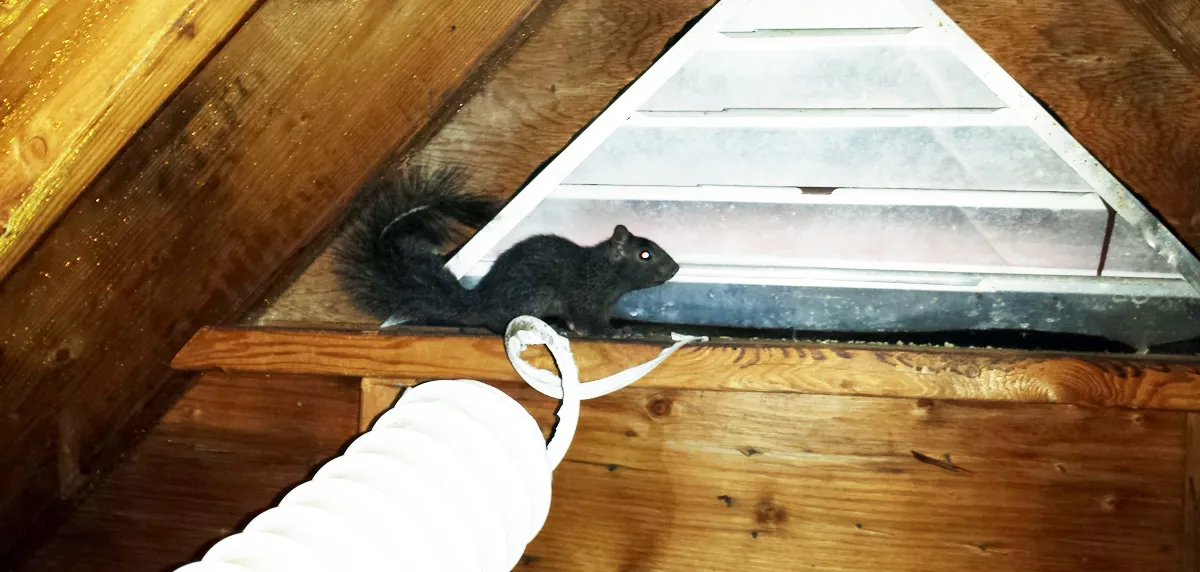
Squirrels In The Attic
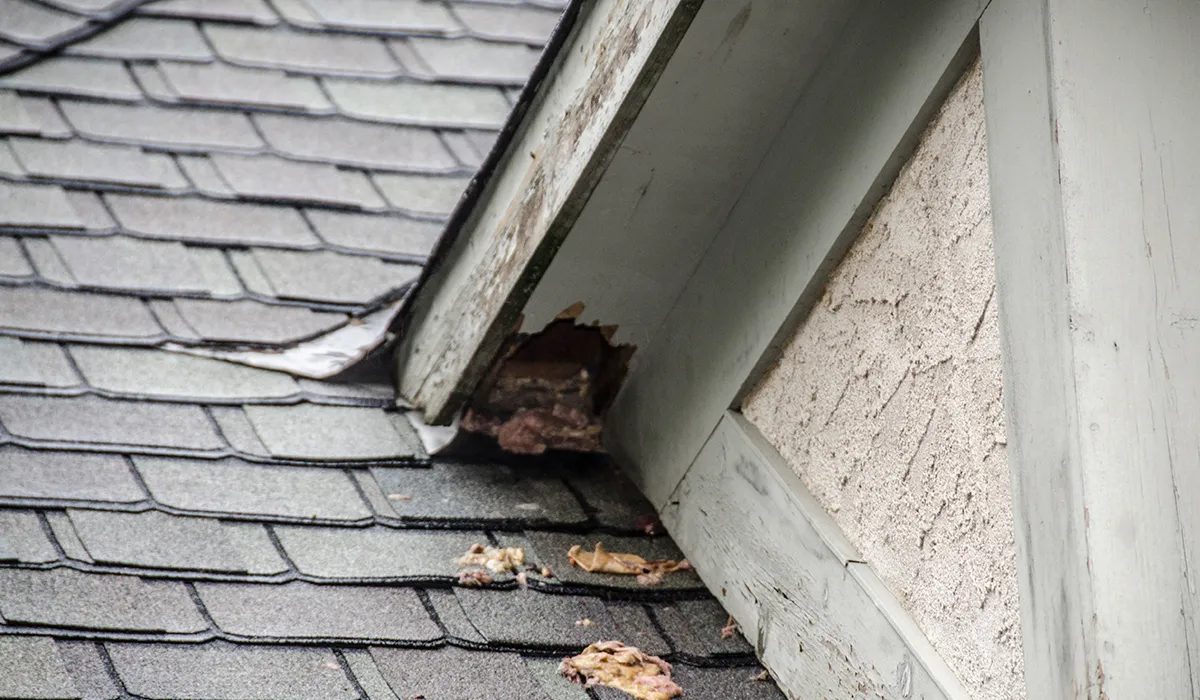
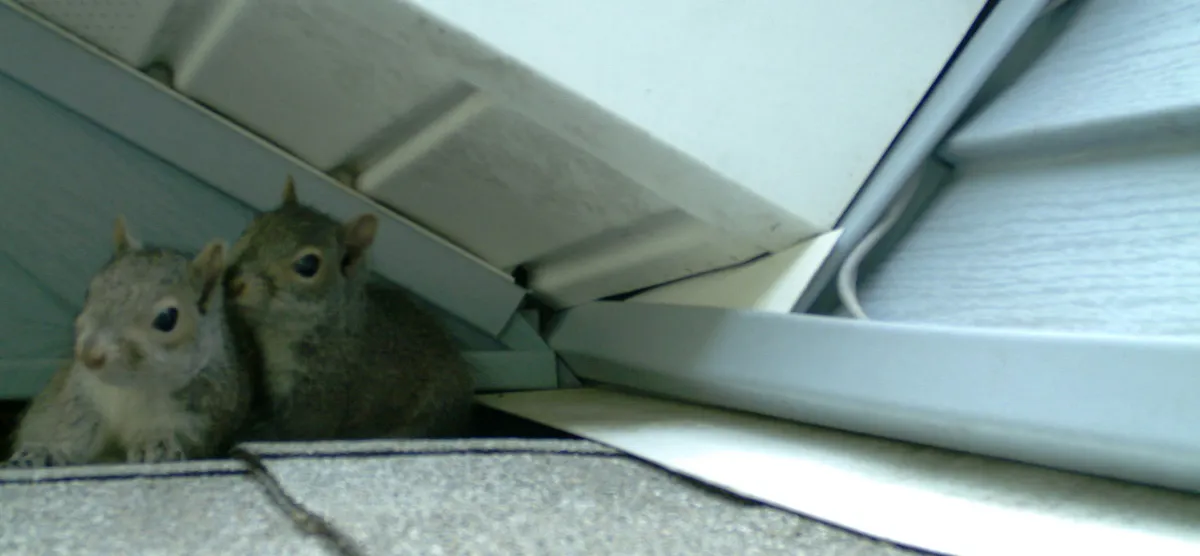
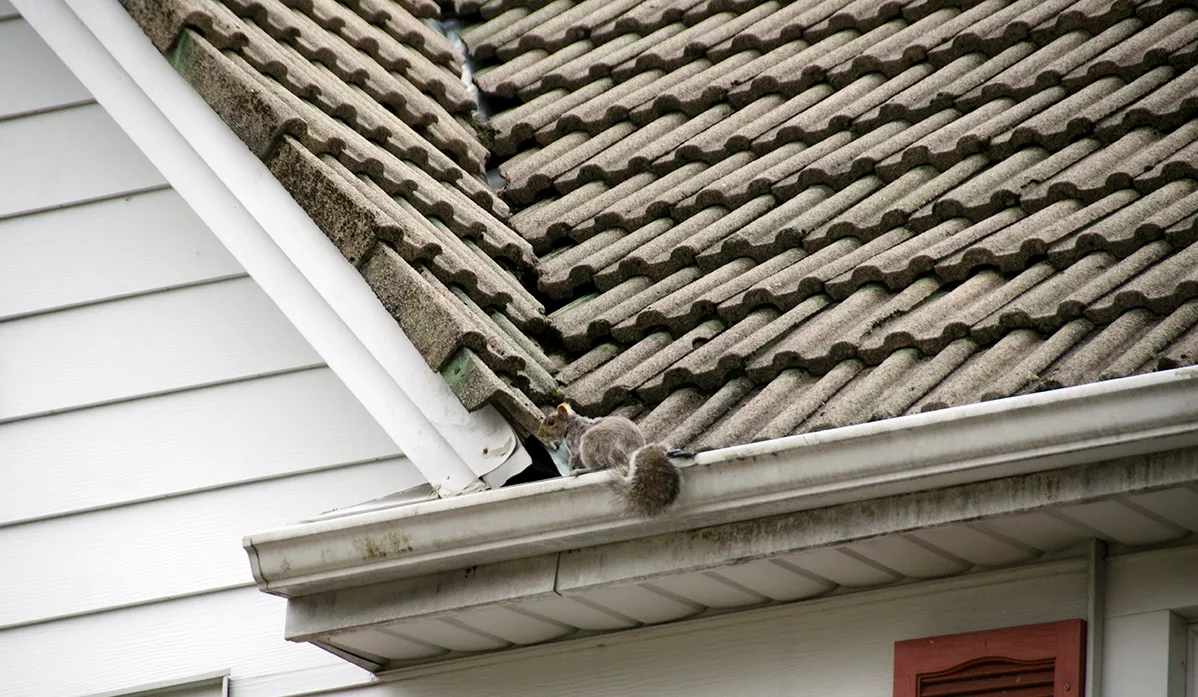
Chewed Soffit Entry
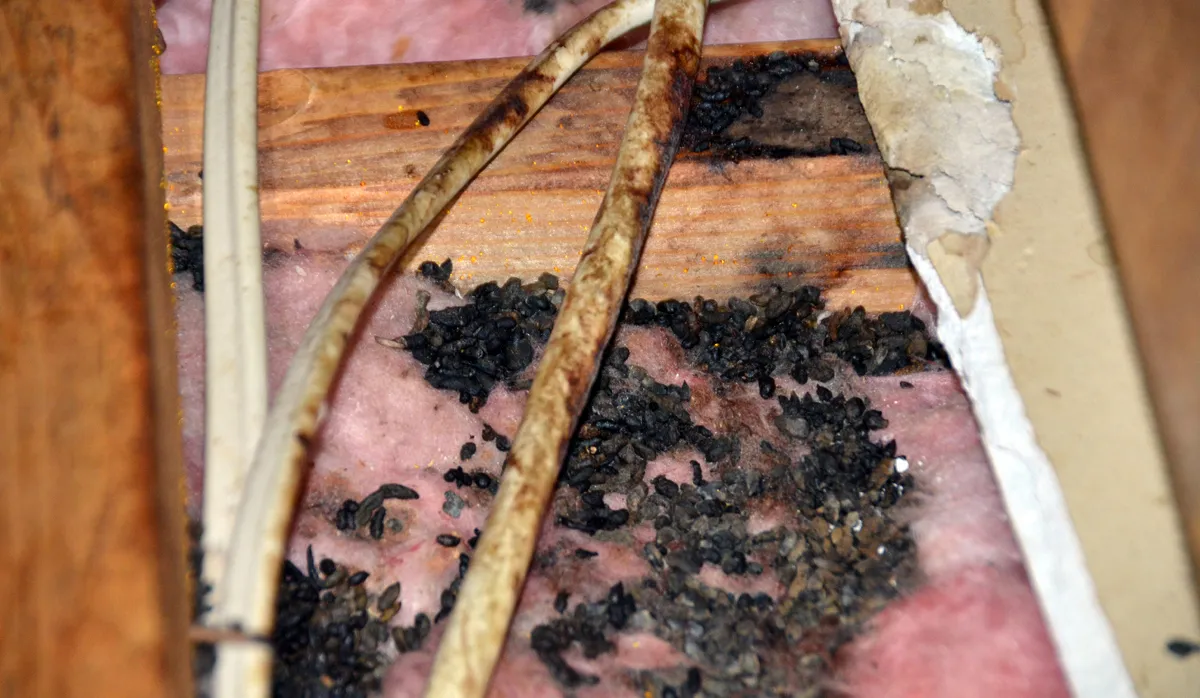
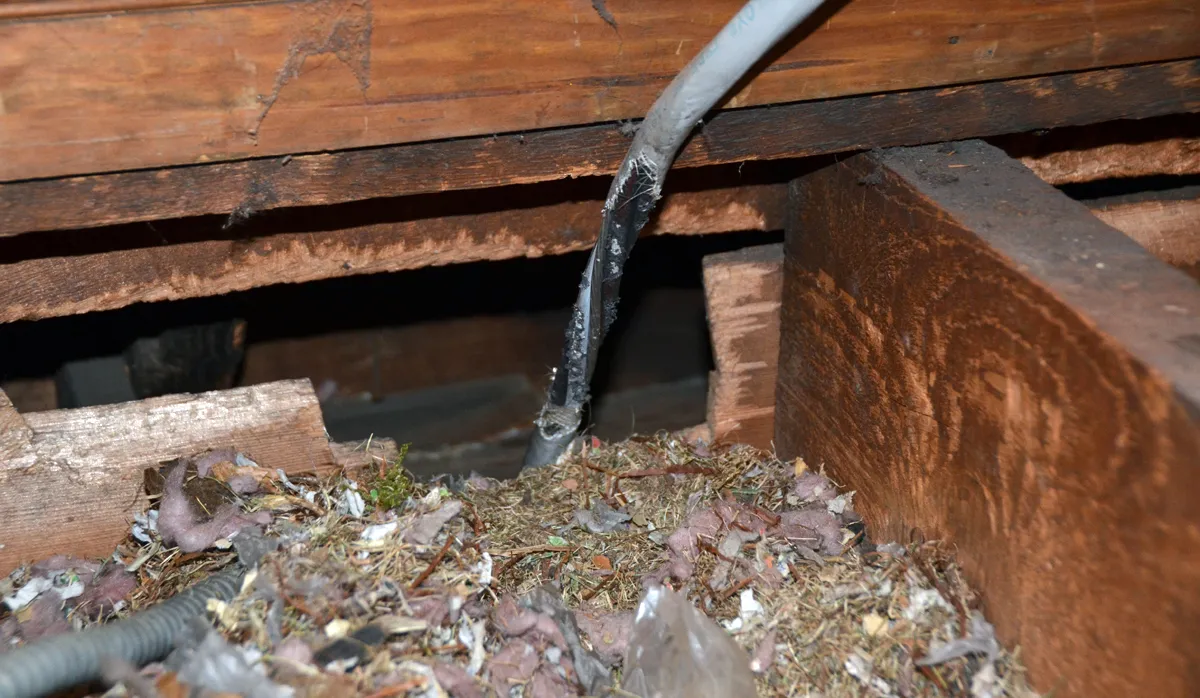
Squirrel Droppings In The Attic
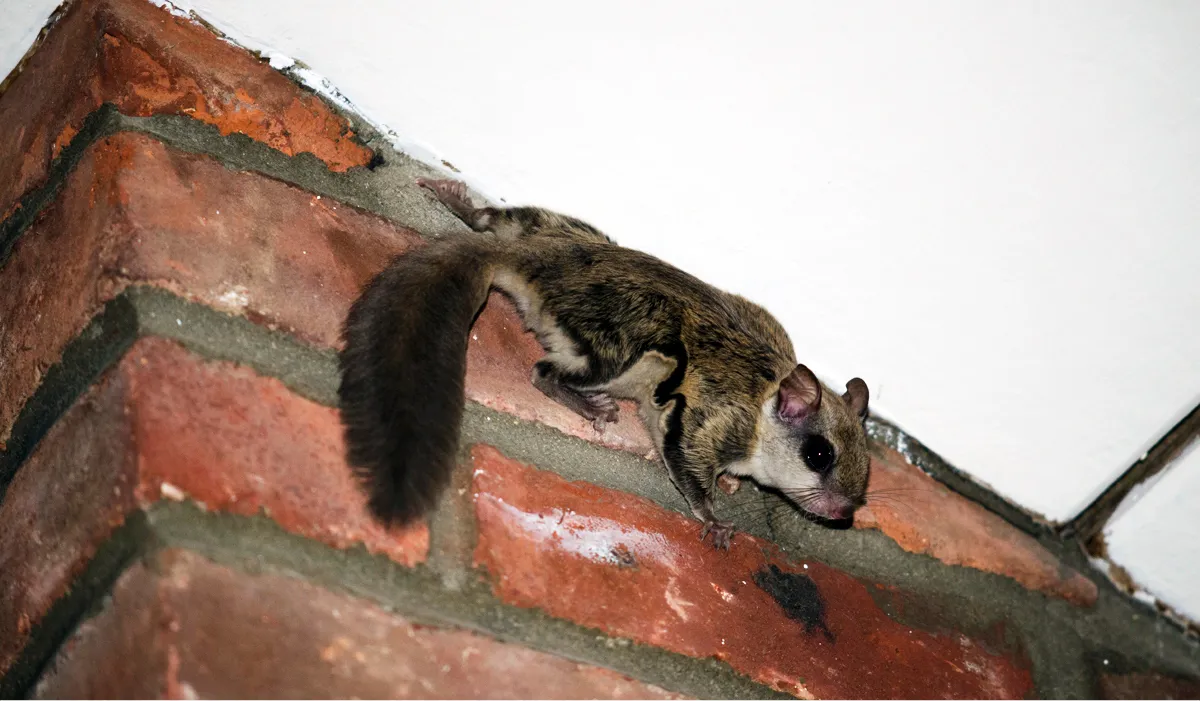
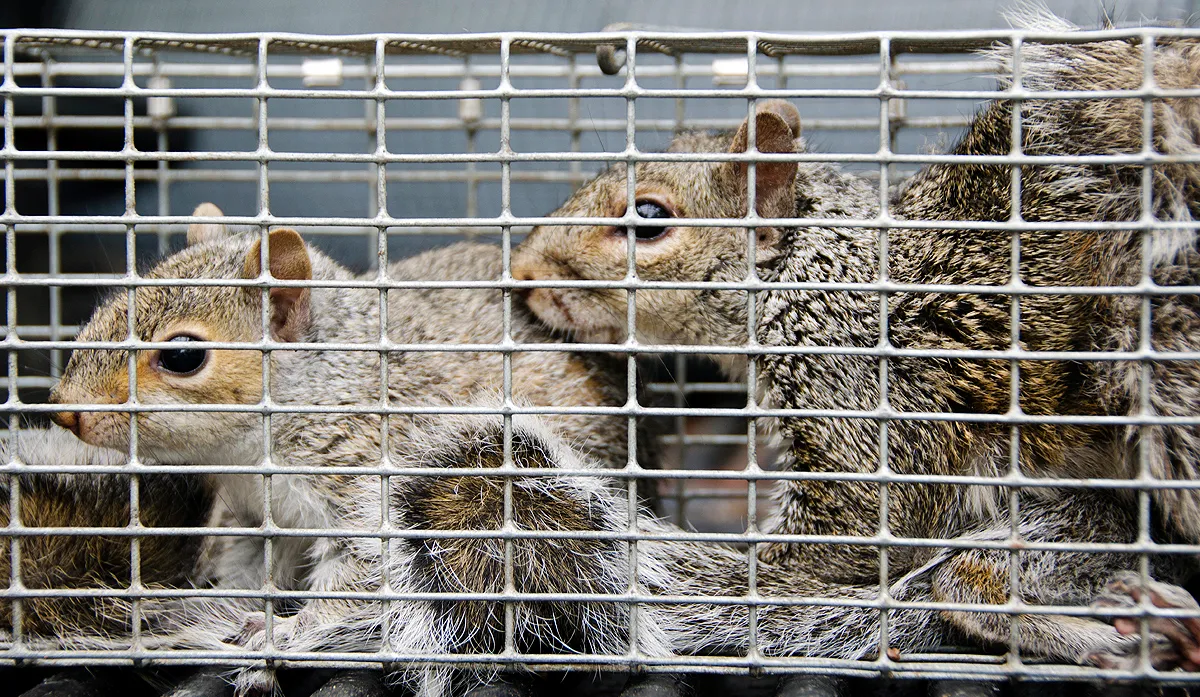
Flying Squirrel Removal
Case Study: Putnam County
A Cold Spring homeowner was hearing scratching in the walls for weeks. Their exterminator set mouse traps. When we inspected the attic, we found a colony of 15 flying squirrels. They had chewed through the ridge vent to get in and gnawed the insulation off HVAC ductwork throughout the attic. We sealed the entire roofline, trapped and relocated the squirrels, and had the full colony out within two weeks. The homeowner said they had no idea flying squirrels even existed in New York.
Know Your Squirrels
Three Species, Three Behaviors
The Eastern Gray Squirrel is the most common. Active during the day, aggressive chewers, and persistent. They have two breeding seasons: late winter (December through February) and midsummer (May through July). A gray squirrel can chew through aluminum, vinyl, and even thin gauge steel.
The Red Squirrel is smaller but more destructive per ounce. Territorial, fast, and relentless. They cache food inside walls and attics, creating secondary pest problems. Less common in suburban areas but prevalent in wooded properties.
The Southern Flying Squirrel is nocturnal and colonial. Homeowners often mistake them for mice because they hear scratching at night. Flying squirrels are much smaller than gray squirrels and can enter through gaps as small as a quarter. A single colony can number 20 or more animals.
Risks & Damage
Fire Hazard, Insulation Damage & Parasites
Chewed wiring. Fire from chewed wiring is the primary concern. Squirrels gnaw on electrical wires to keep their teeth trimmed. Exposed wiring in an attic surrounded by dry insulation is a textbook fire hazard. Insurance companies and fire investigators see this regularly.
Damaged Insulation. Beyond wiring, squirrels compress and contaminate insulation with urine and droppings, reducing its R-value and creating odor problems.
General Damage. Squirrel chewing can also destroy PVC plumbing vents, wooden structural components, and HVAC ductwork.
Health Concerns. Squirrels carry fleas, ticks, and mites. Flying squirrel colonies in particular can harbor large numbers of parasites that migrate into living spaces when the animals are removed. Squirrel waste can carry Leptospirosis and Salmonellosis. We recommend decontamination for heavy infestations. Learn more about our attic decontamination service.
Seasonal Patterns
When Do Squirrels Have Babies?
Gray squirrels breed twice a year. The first litter arrives in late February and April. The second arrives between July and September. Both periods produce a surge in attic invasions as females seek warm, protected spaces to nest.
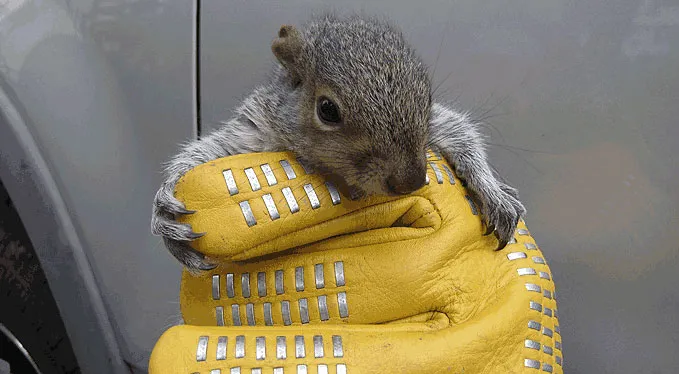
We check every job for babies. If a trapped female is nursing, we go back into the attic to locate and remove the litter by hand. Leaving baby squirrels behind is inhumane and creates a secondary problem when they die inside the structure.
Companies should never use one-way eviction methods during baby season. Unfortunately, due to profit incentives, many ignore this rule and leave homeowners with bigger problems than they began with.
Long-Term Prevention
Full Home Exclusion
Removing the squirrels is only half the job. If you do not seal the house, new squirrels will find the same entry points within weeks. We seal every vulnerable area with professional-grade materials that squirrels cannot chew through. Every area receives a custom solution informed by a carpenter's experience. If needed, sections may even be rebuilt.
For comprehensive protection, we offer a full home exclusion service that seals every potential entry point on the structure, not just the ones squirrels are currently using.
"Squirrels had chewed through our soffit three times. I hired two other companies who patched it but they chewed back in. TriState trapped the squirrels and sealed it with materials that worked. That was two years ago. No problems since."
Jim K.
Armonk, NY · Westchester County
"We had flying squirrels and didn't even know it. Thought it was mice. Kris found 18 of them in the attic. Had them all out in less than a week. Incredibly thorough."
Lisa M.
Cold Spring, NY · Putnam County
"Our electrician told us to call a wildlife company before he'd touch the wiring. TriState removed the squirrels, sealed the whole roofline, and the electrician said the roof areas they fixed looked brand new."
Robert P.
Franklin Lakes, NJ · Bergen County
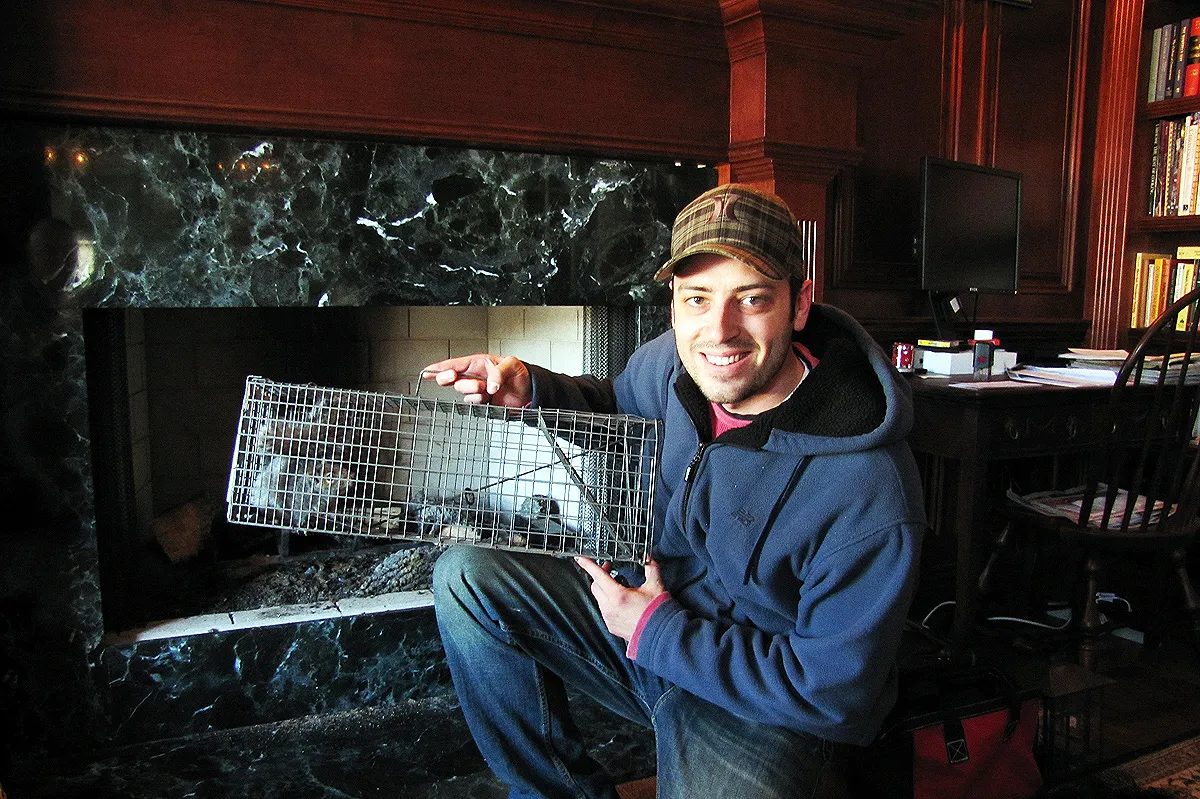
"We woke up to a squirrel in our fireplace and we called TriState Wildlife. They were at our house within 30 minutes. Were able to get the little guy out safely. They installed a beautiful cap on our chimney so we won't ever have this issue again."
Kelly B.
Nanuet, NY · Rockland County
Common Questions
Squirrel Removal FAQ
We provide a free on-site inspection before quoting. Pricing depends on the number of entry points, species involved, and scope of exclusion needed. Upfront written estimates, no hidden fees.
Hire a licensed wildlife professional. Squirrels chew through electrical wiring once inside the attic, creating a fire hazard, and DIY removal often makes the problem worse — sealing the wrong holes first traps the squirrels or their babies inside the walls. We inspect for nesting females and entry points, trap and relocate the family together, then seal every gap with chew-resistant materials backed by a 10-year written guarantee.
A one-way door is a device installed over a squirrel's entry point. Squirrels can push out through it to leave, but the door only swings one way so they cannot get back in. Once all squirrels have exited, the door is removed and that opening is sealed. Unfortunately this method is rarely the best method to use. It should NEVER be used during baby season, as it leaves baby squirrels inside to die. Mother squirrels will chew through the roof if they need to in order to try to get back to their babies. Also, if the squirrels have been there for more than a week, they are unlikely to give up on their home even without babies present. In many cases trapping is the better option.
Not through ours. We use commercial-grade materials that offer permanent protection. Squirrels cannot chew through these. We are so confident in our work that every point we seal is backed by a 10-year written guarantee, which is unheard of for squirrel work in our industry.
Yes. Flying squirrels are colonial and nocturnal, which requires a different removal strategy than gray squirrels. They can get through much smaller holes and they are terrific at chewing new holes anywhere a seam is present. Because of this the home is likely to be consistently targeted by new flying squirrels until comprehensive sealing is completed, regardless of how effective trapping is.
Absolutely. Exposed wiring in an attic full of dry insulation is a serious fire risk. We recommend having an electrician inspect your attic wiring after any squirrel infestation. We can coordinate this with your removal and exclusion work.
Every trapped female is checked for signs of nursing. If she is lactating, we go back into the attic and locate the nest. Baby squirrels are removed by hand and relocated with the mother. We never leave babies behind.