Skunks denning under your porch, deck, shed, or crawl space are more than a nuisance. They spray, they dig, and they are a primary rabies vector in the northeast. TriState Wildlife provides humane skunk removal using specialized handling techniques that minimize spray risk during capture. We trap, remove, exclude, and remediate odor. All exclusion work is backed by a long term guarantee.
"TriState trapped it and buried mesh around the entire porch. Three years now, no skunks."
— Tom H., New City, NY
How We Work
Humane Skunk Removal Process
We start with an inspection to identify where the skunk is denning, how it is accessing the space, and whether babies are present. Skunks are creatures of habit and return to the same den site year after year unless the entry is permanently sealed.
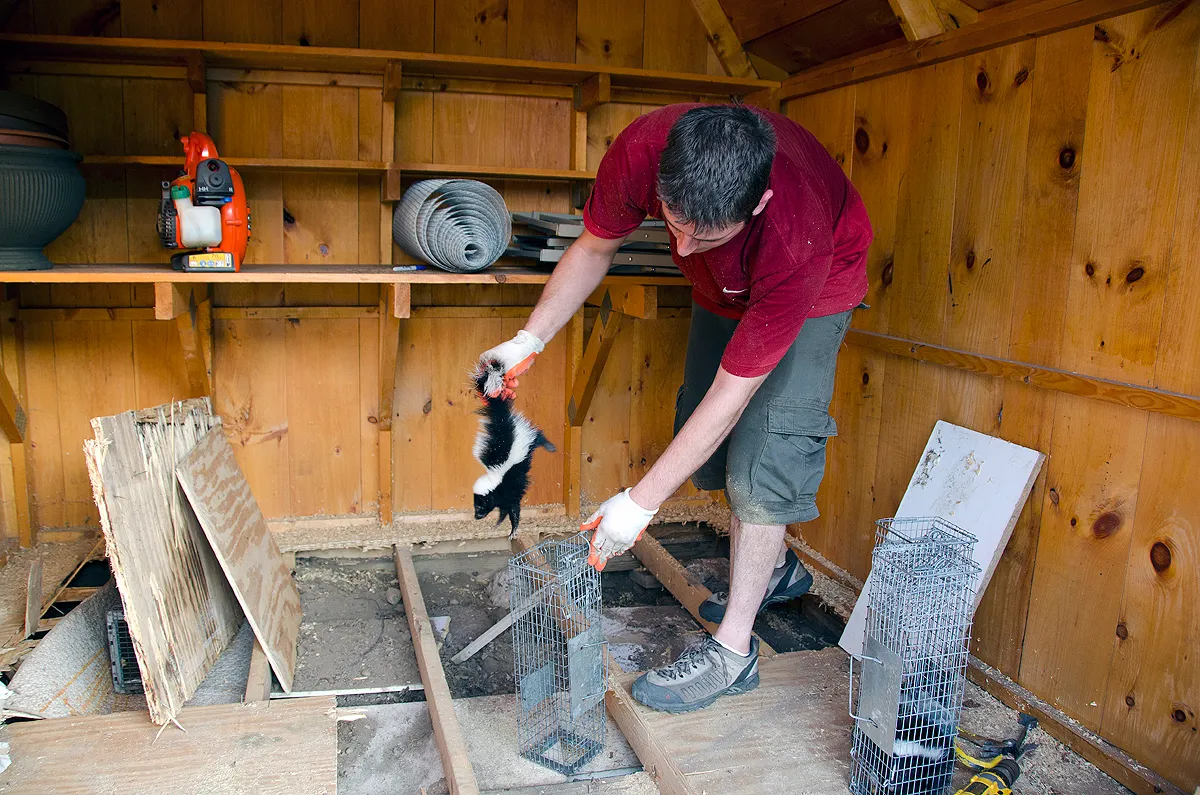
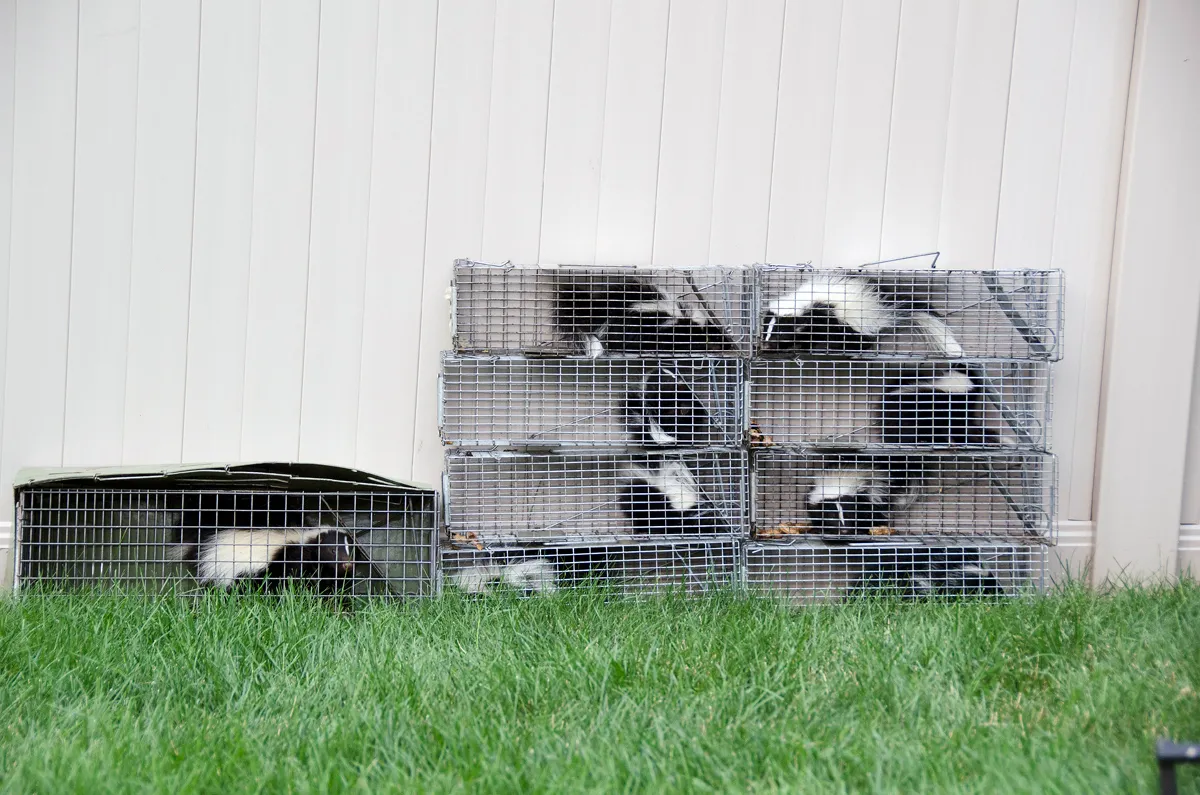
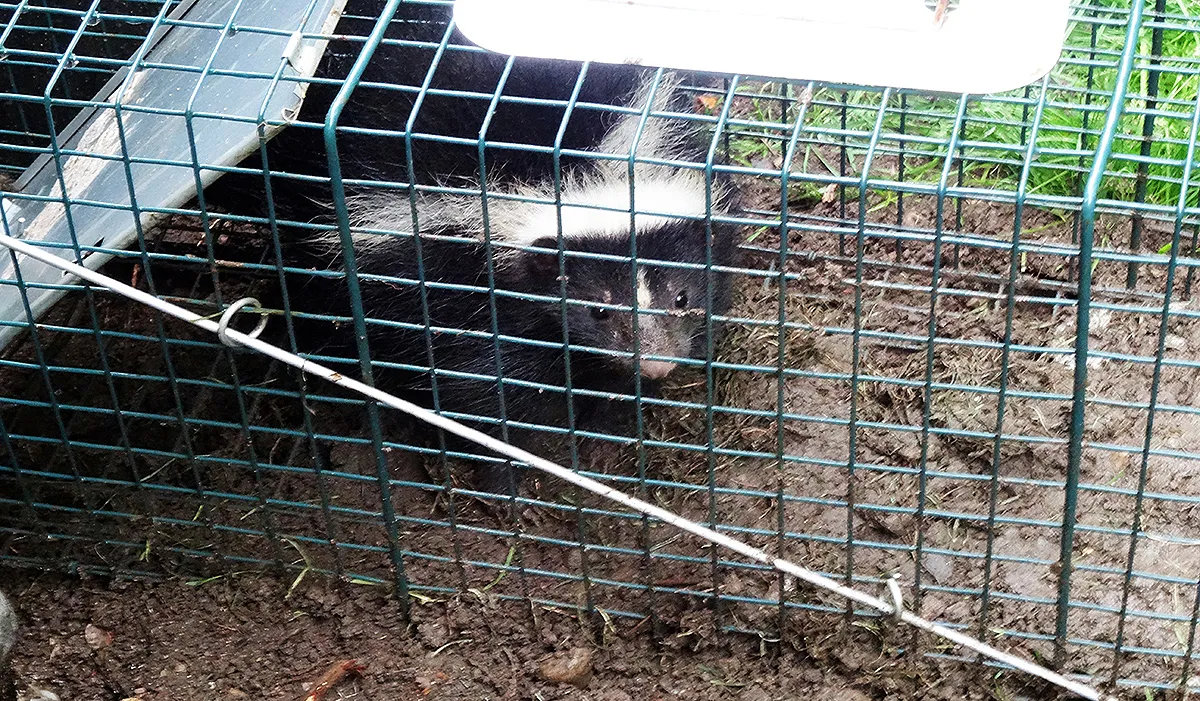
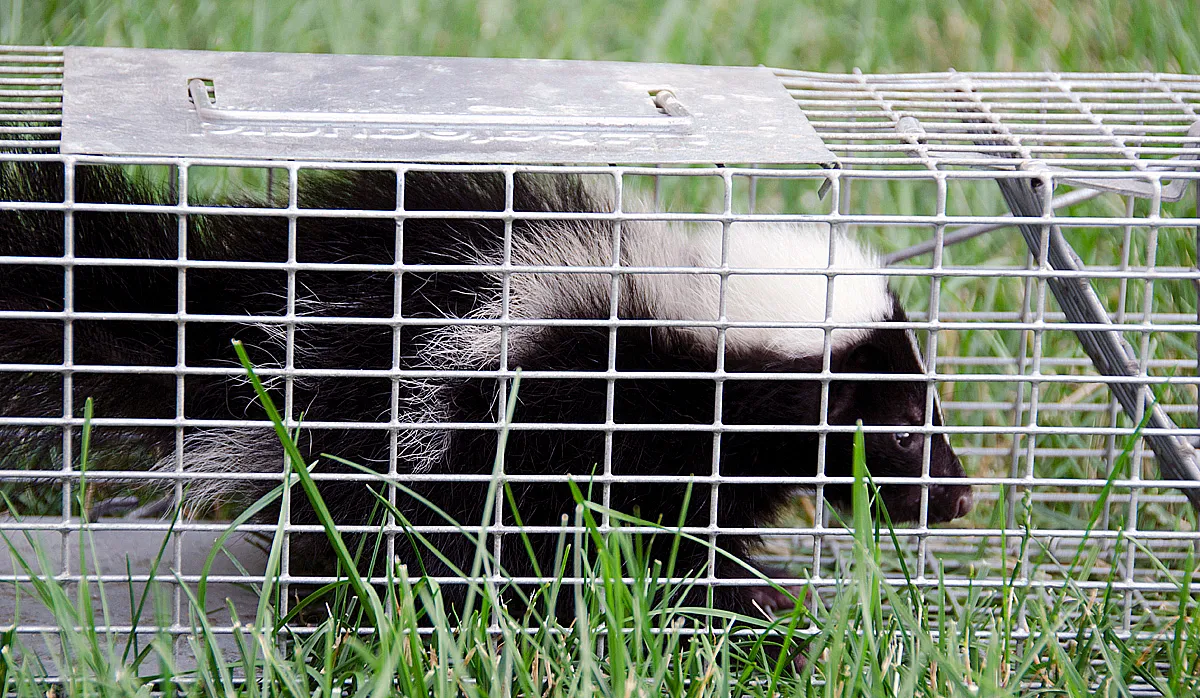
We set professional cage traps using specialized techniques that minimize the chance of spraying during capture. Trap placement, bait selection, and approach angles all matter. Our technicians have handled thousands of skunks and know how to keep them calm during transport.
Once the skunk is removed, we seal every access point under the structure using permanent protective barriers that are buried into the ground to prevent digging. This is critical. Simply trapping without exclusion means a new skunk moves in within weeks.
If the skunk has sprayed under the structure, we provide odor remediation to neutralize the scent. All exclusion work is backed by a written guarantee.
Our Skunk Work
Photos from Recent Jobs
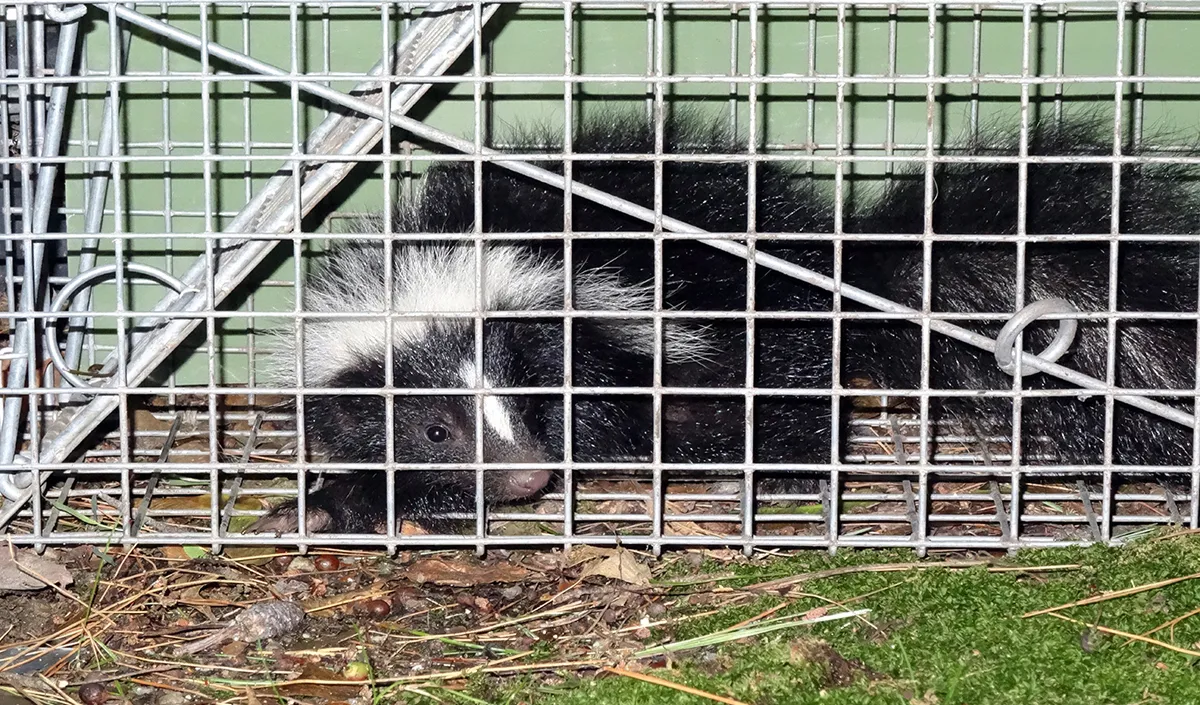
Skunk Trapped - Smell Gone
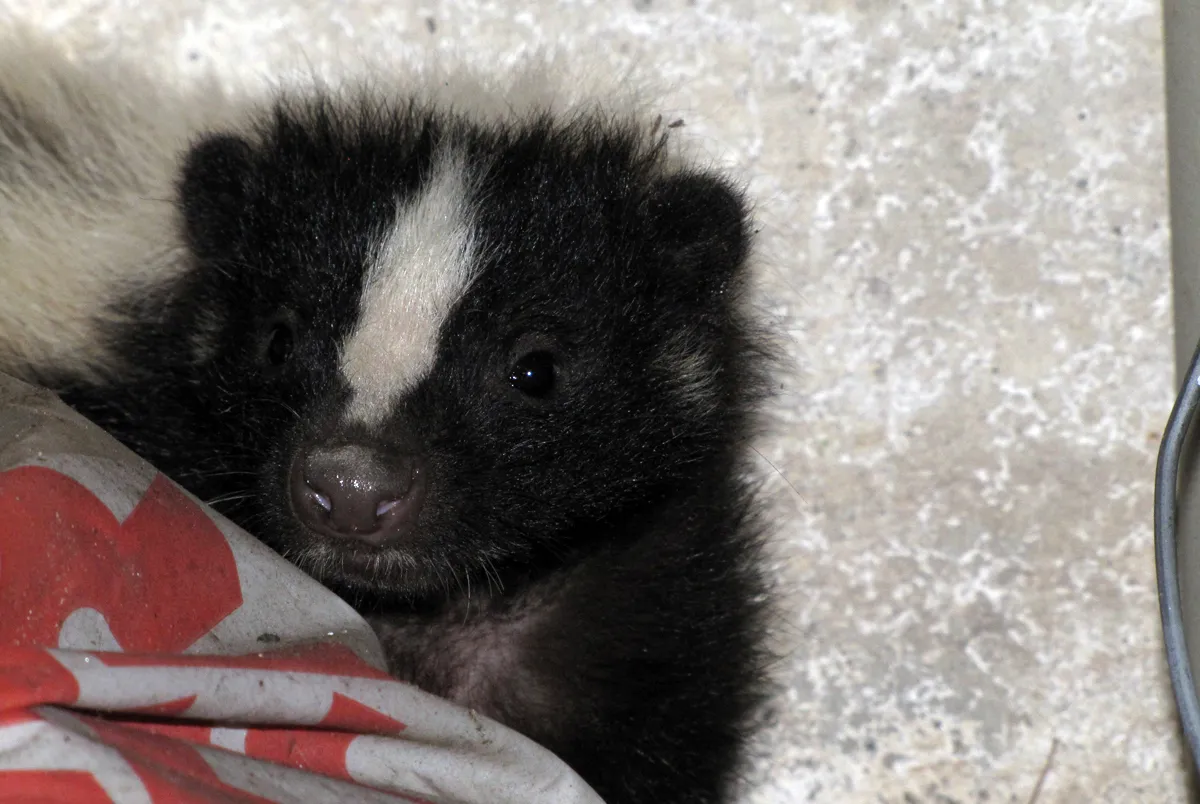
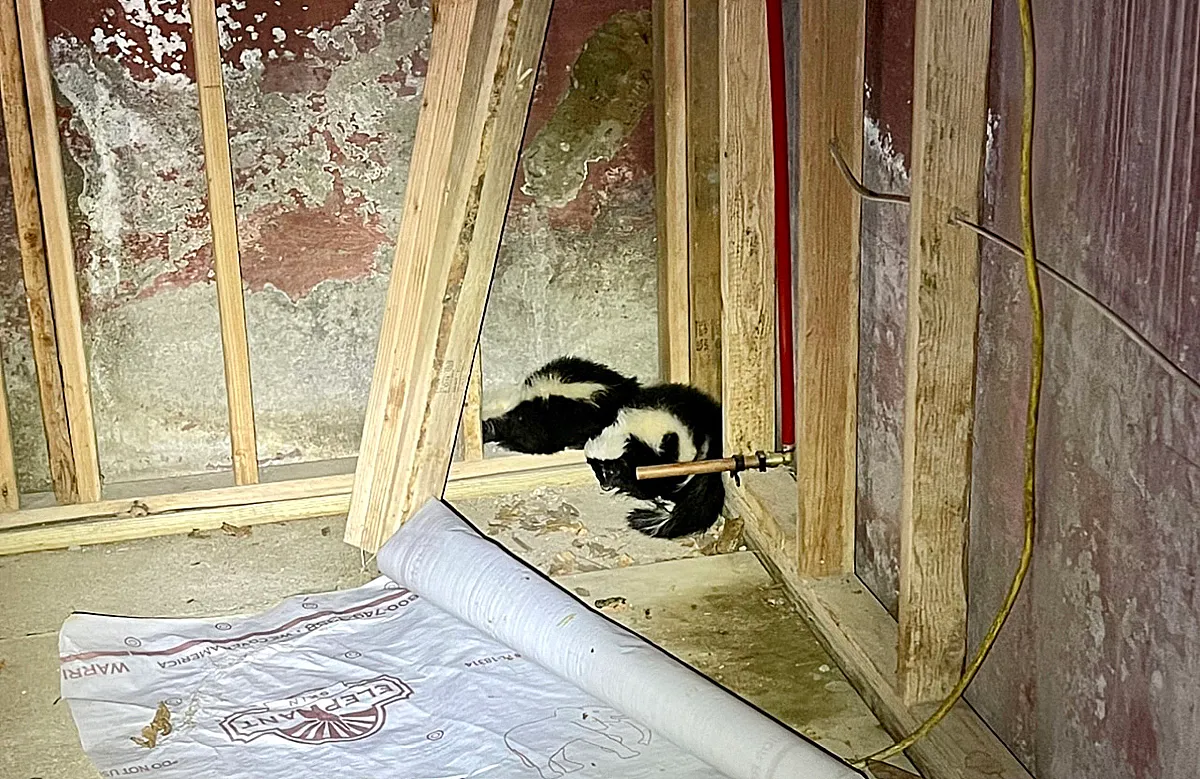
Skunk In Garage Removal
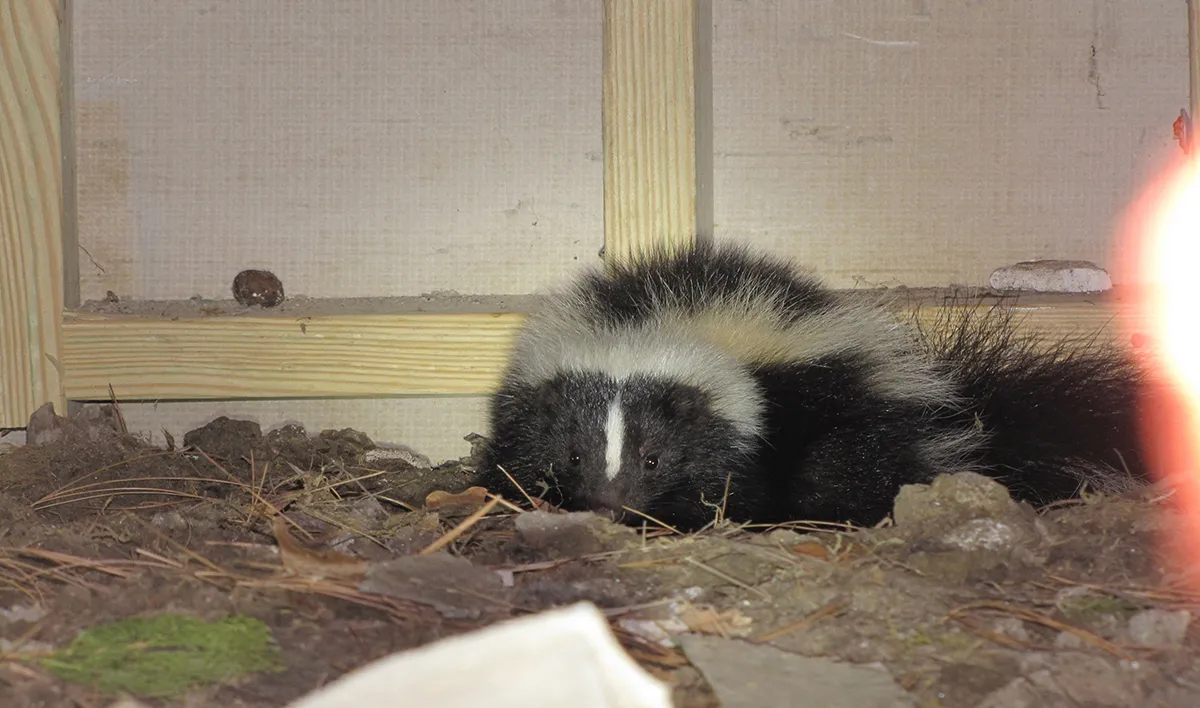
Skunk Odor Treatment
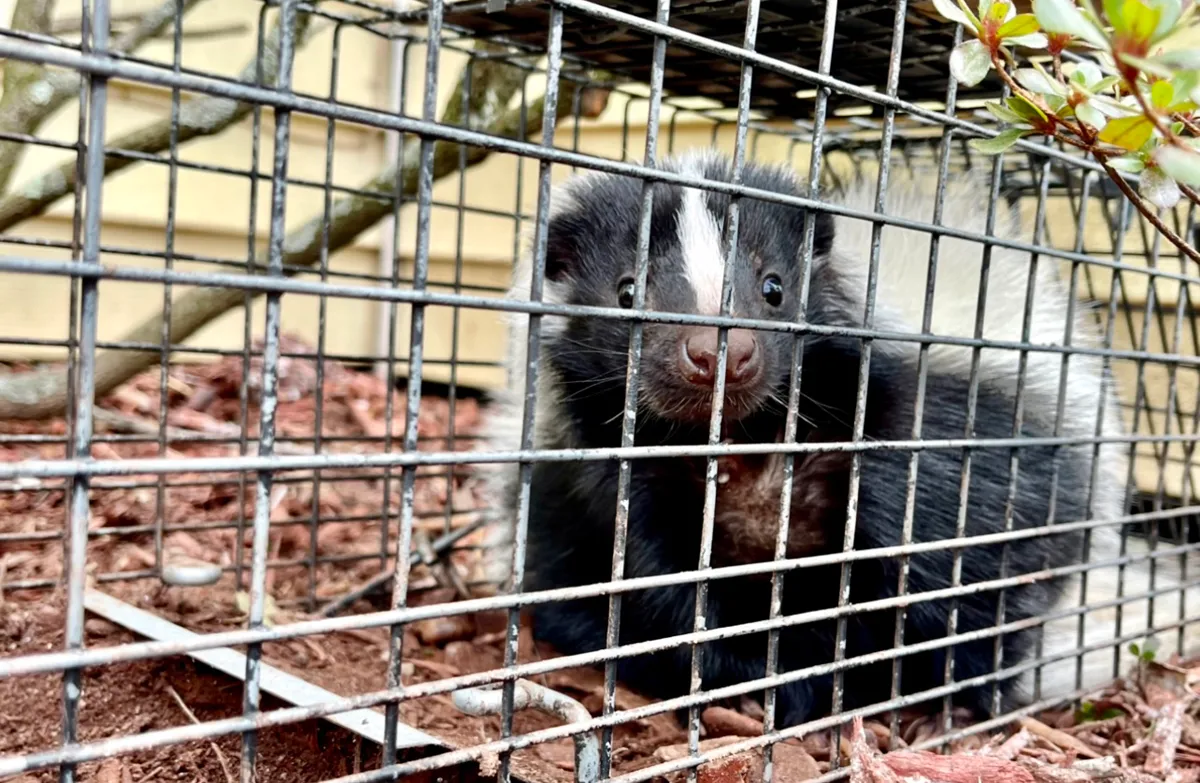
Skunk Under Deck Removal
Case Study: Rockland County
A New City homeowner had a skunk denning under their front porch for two consecutive springs. Each year the skunk sprayed, saturating the crawl space and seeping into the house. The smell lasted for weeks, and made large sections of the home uninhabitable. We trapped the skunk without incident, installed protective barriers around the entire porch perimeter, and performed odor remediation. Three years later, no skunks have returned.
Know Your Skunks
Biology & Behavior
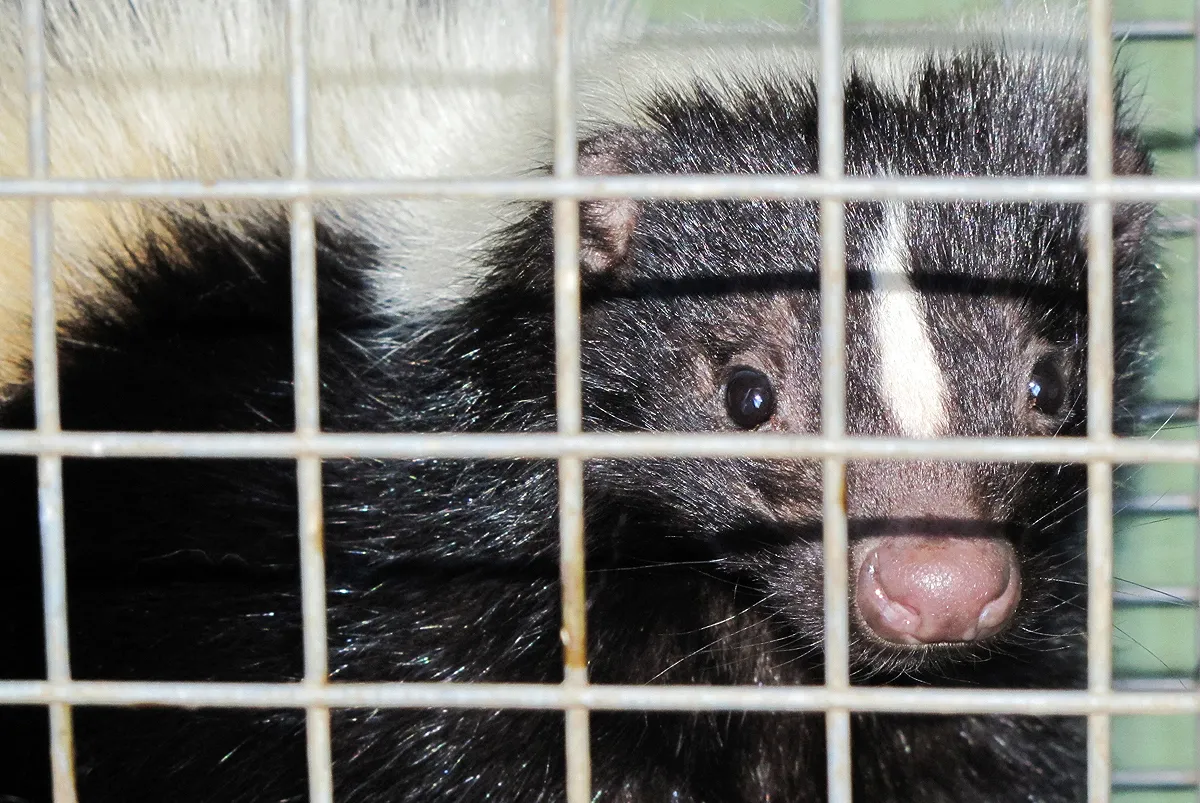
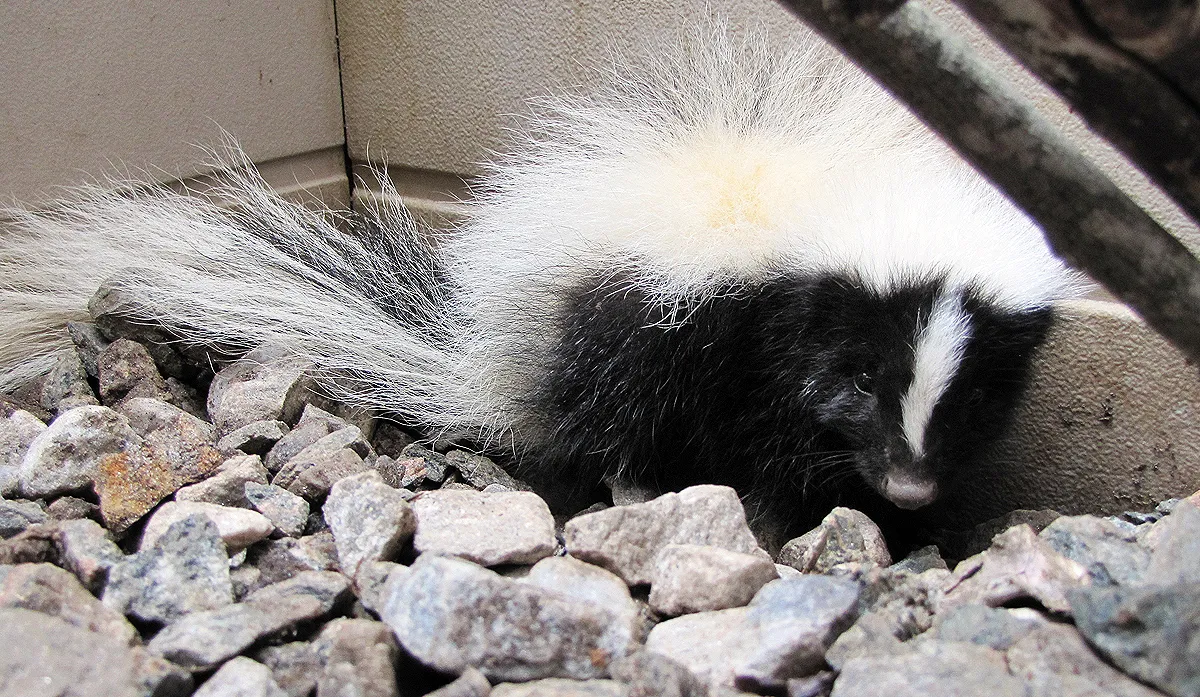
The Striped Skunk (Mephitis mephitis) is the only skunk species in the tri-state area. Adults weigh 6 to 14 pounds. They are nocturnal, omnivorous, and surprisingly docile when not threatened. Their primary defense is a sulfur-based spray that can travel up to 15 feet and be smelled from over a mile away. Often they will stomp their feet as a warning prior to spraying, telling threats to back away from them.
Skunks do not hibernate but enter a state of torpor during the coldest winter months. They den communally in winter, with multiple skunks sharing the same space for warmth. By late February, they emerge and begin breeding. Litters of four to seven kits are born in May.
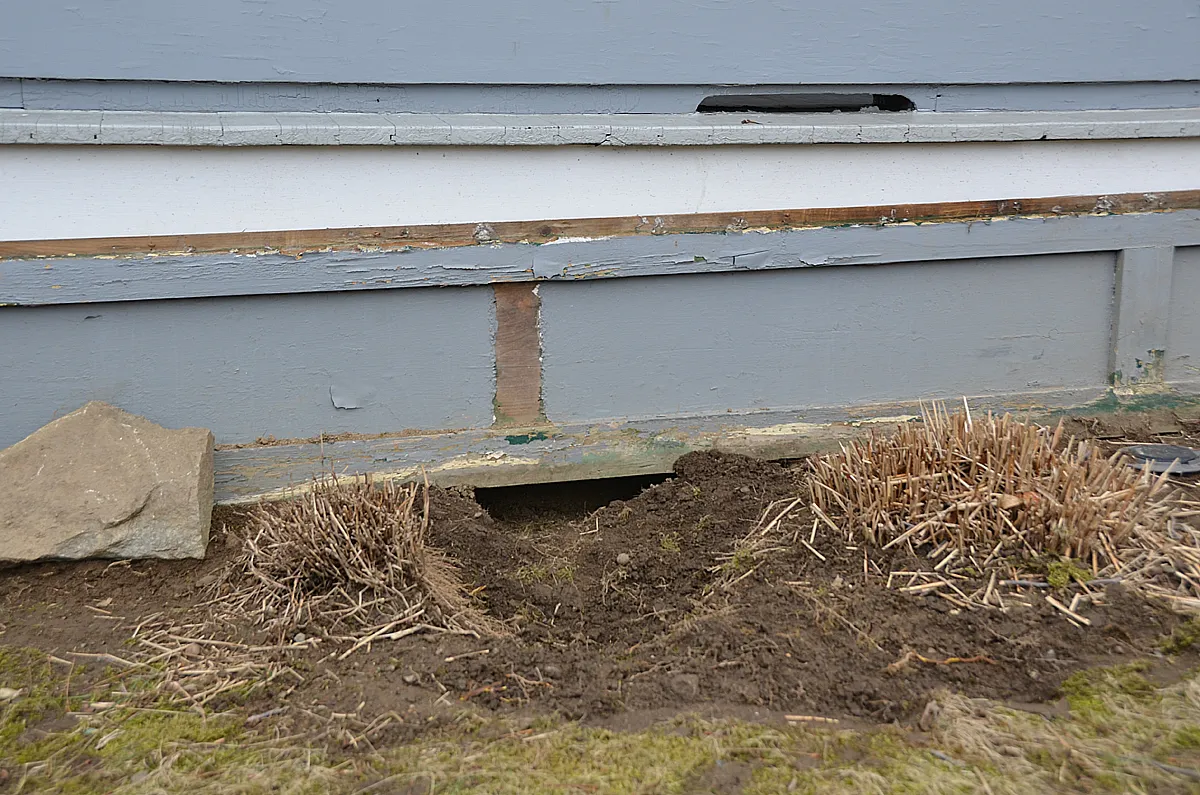
Skunks are diggers. They excavate burrows under porches, decks, sheds, stoops, and foundations. They also exploit existing gaps in foundations or lattice. Their digging can undermine concrete steps and walkways over time.
Health Risks
Rabies, Spray & Property Damage
Skunks are the second most common rabies vector in New York state after raccoons. A skunk that is active during the day, unafraid of humans, or staggering should be treated as potentially rabid. Never approach a skunk yourself.
Skunk spray is not just unpleasant. The sulfur compounds (thiols) can cause temporary blindness, nausea, and respiratory irritation at close range. When a skunk sprays under a structure, the odor permeates the home through HVAC systems, cracks in the foundation, and plumbing penetrations. Without professional remediation, the smell can persist for weeks.
Property damage from skunks is primarily from digging. They excavate dens under structures, dig up lawns searching for grubs, and can damage landscaping. The burrows themselves can undermine concrete steps, patios, and foundations.
Seasonal Patterns
Skunk Breeding Season: February Through May
Skunk activity peaks in late February when males emerge from torpor and begin roaming for mates. This is when most spraying incidents occur, as males spray during territorial disputes. By May, females have given birth and are raising kits under structures.
We check every job for babies during spring and early summer. If kits are present, we wait until they are mobile enough to follow the mother out, then exclude the entire family and seal the den permanently.
Odor Remediation
How to Get Rid of Skunk Smell in the House
If a skunk has sprayed under your home, the smell does not go away on its own. The thiols in skunk spray bind to surfaces and re-activate with moisture. Opening windows and running fans just moves the smell around.
We use professional-grade oxidizing agents that chemically neutralize the thiols rather than masking them. We treat the crawl space, foundation walls, and any affected areas of the home. In severe cases, we fog the interior to reach odor that has penetrated through HVAC systems.
What Customers Say
Skunk Removal Reviews
"Had a skunk under the front porch for two years. Two other guys trapped it and it came back. TriState trapped it and buried mesh around the entire porch. Three years now, no skunks."
Tom H.
New City, NY · Rockland County
"Skunk sprayed under our deck and the smell was in every room. TriState neutralized it in one visit. I was shocked. We had been suffering for a week with home remedies that did nothing."
Karen L.
Suffern, NY · Rockland County
"I was terrified the skunk would spray my dog. Kris had it out the same day without incident. Calm, professional, and the skunk never sprayed. I did not know that was even possible."
Andrea M.
Wyckoff, NJ · Bergen County
"He is honest, reliable, and extremely knowledgeable. His pricing is very fair, actually cheaper than others I contacted. Thanks to him, the skunk that was living under my porch is finally gone. I truly appreciate his work and dedication."
Joseph G.
Brewster, NY · Putnam County
Common Questions
Skunk Removal FAQ
Skunks spray when startled or threatened. We use covered traps, careful placement, and slow, deliberate handling. A skunk that cannot see what is approaching it and is not jostled during transport will usually not spray. Our technicians have handled thousands of skunks this way.
We provide a free on-site inspection before quoting. Pricing depends on the number of skunks, location of the den, and scope of exclusion needed. Upfront written estimates with no hidden fees.
Hire a licensed wildlife professional. Skunks are a primary rabies vector, and DIY removal almost always ends in spraying — the smell can persist for weeks and bond to siding, decking, and HVAC intakes. We trap with low-stress handling that minimizes spray risk, remove the entire family during baby season, then seal the den site with a buried L-shaped barrier so skunks can't return. Odor remediation is included when needed.
Not through our exclusion. The reason skunks "come back" is because the den site was never sealed. A new skunk finds the same opening. We bury heavy-gauge mesh around the entire structure to prevent any skunk from digging back in. All exclusion is backed by a written guarantee.
We strongly advise against it. Skunks are a rabies vector, and an amateur attempt at trapping almost always results in spraying. Aside from the dangers, in many states you need a license to trap and relocate skunks.
Home remedies like tomato juice and vinegar do not work. The thiols in skunk spray require oxidizing agents to neutralize. We use professional-grade products that chemically break down the odor compounds. In severe cases, we fog the interior of the home.
Yes. Beyond the spray, skunks can carry rabies. A dog that corners a skunk can be sprayed in the face (causing temporary blindness) or bitten. If your pet has been bitten by a skunk, contact your veterinarian immediately for a rabies booster.