TriState Wildlife are the region's top experts in humane bat removal, and have been featured on CBS News. We handle every phase: emergency bat-in-house calls, humane one-way eviction, full roofline exclusion, and attic decontamination. All bat work is backed by a 25-year transferable warranty.
"This company cares about its customers and does an amazing job in the quality of their work. Bats are gone and we couldn't be happier!"
— Melanie Sindaco, Nyack, NY
How We Work
Humane Bat Removal Process
Bat-proofing is hazardous work, most often done at the roofline. Ladders, scaffolding, and sometimes boom trucks are required. Our technicians are rabies-vaccinated and go through extensive training before performing any bat work. All projects are managed by craftsmen with a minimum of 15 years experience.
We examine the home inch by inch to identify every vulnerable point and determine the best approach for removal. From there, we use custom solutions to seal the entire house down to the primary bat entrances, then install one-way eviction devices over the remaining access points. These devices let bats leave at dusk but prevent re-entry. Once all bats have filtered out, we return to seal the remaining openings.
It is imperative to seal the areas they are not currently using first, prior to eviction, or the bats will simply move to another location on the same home. Ask any company you're comparing how long their guarantee lasts, and whether it covers the entire home or only the areas they seal. Also ask how long their materials are manufacturer warrantied for. TriState Wildlife is proud to use sealants that carry 50+ year manufacturer warranties.
Our Bat Work
Photos from Recent Jobs
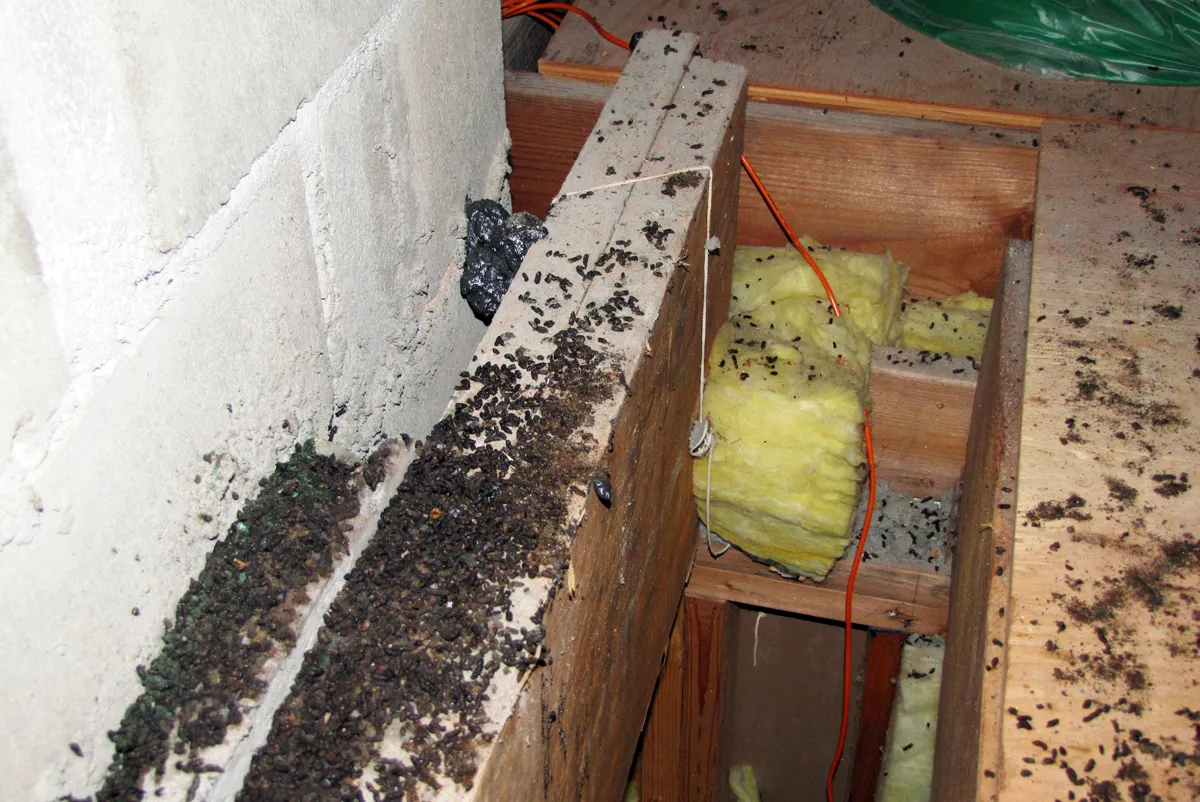
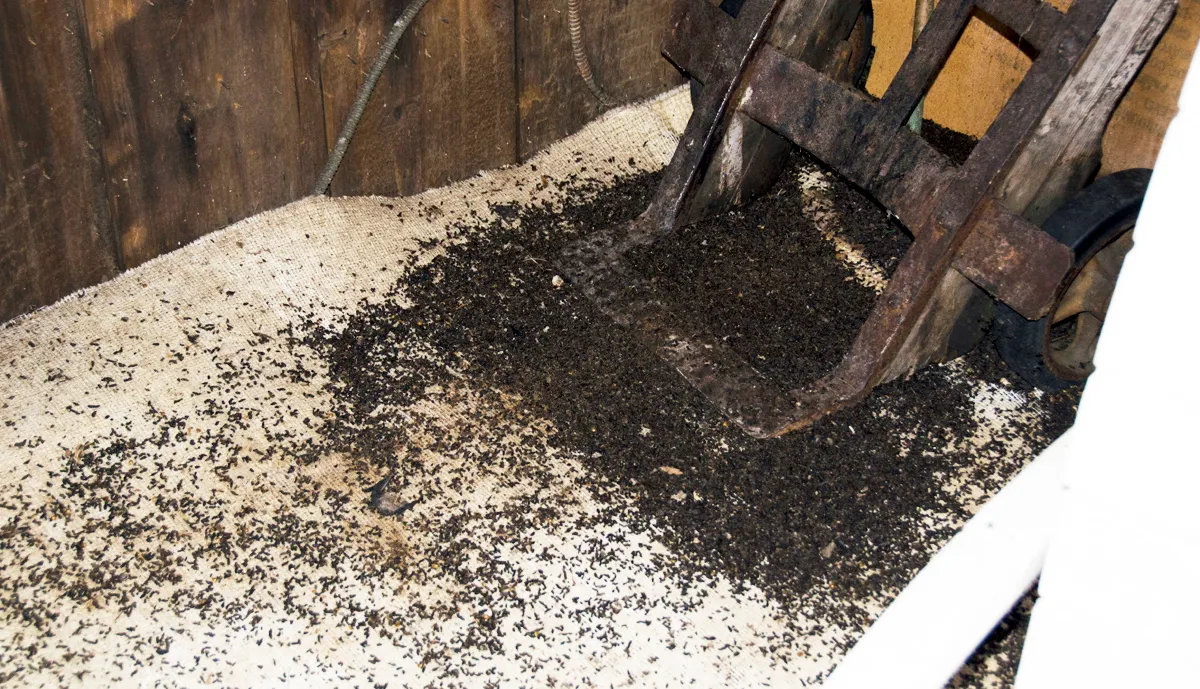
Bat Guano In The Attic
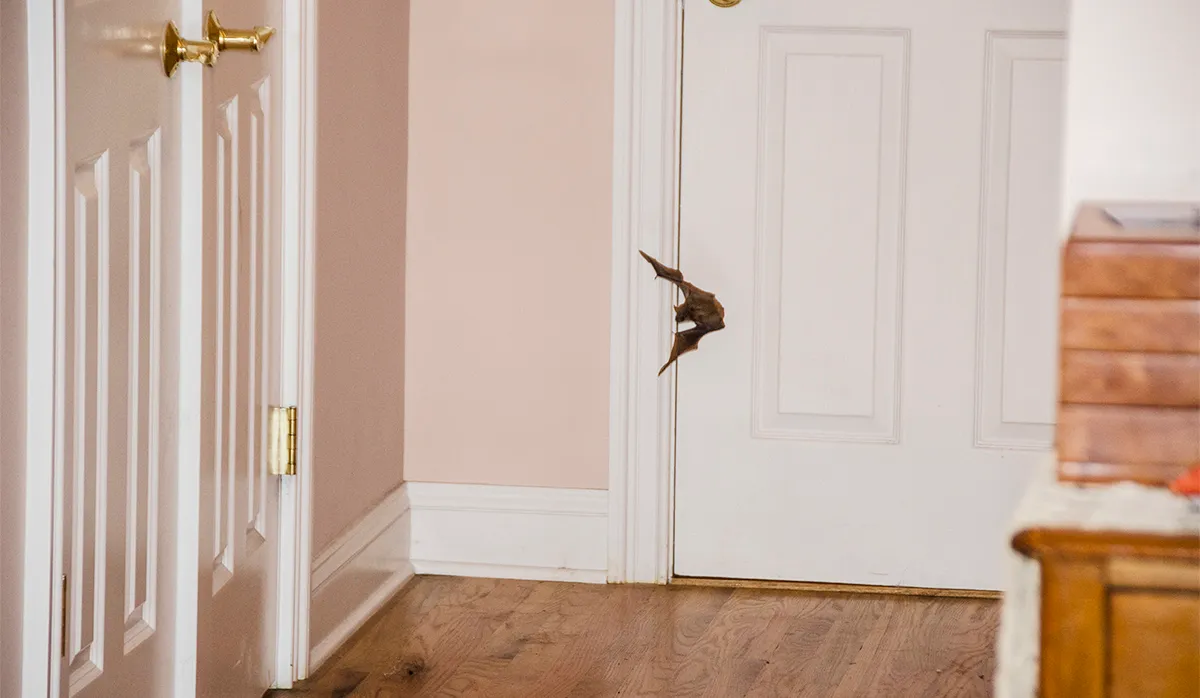
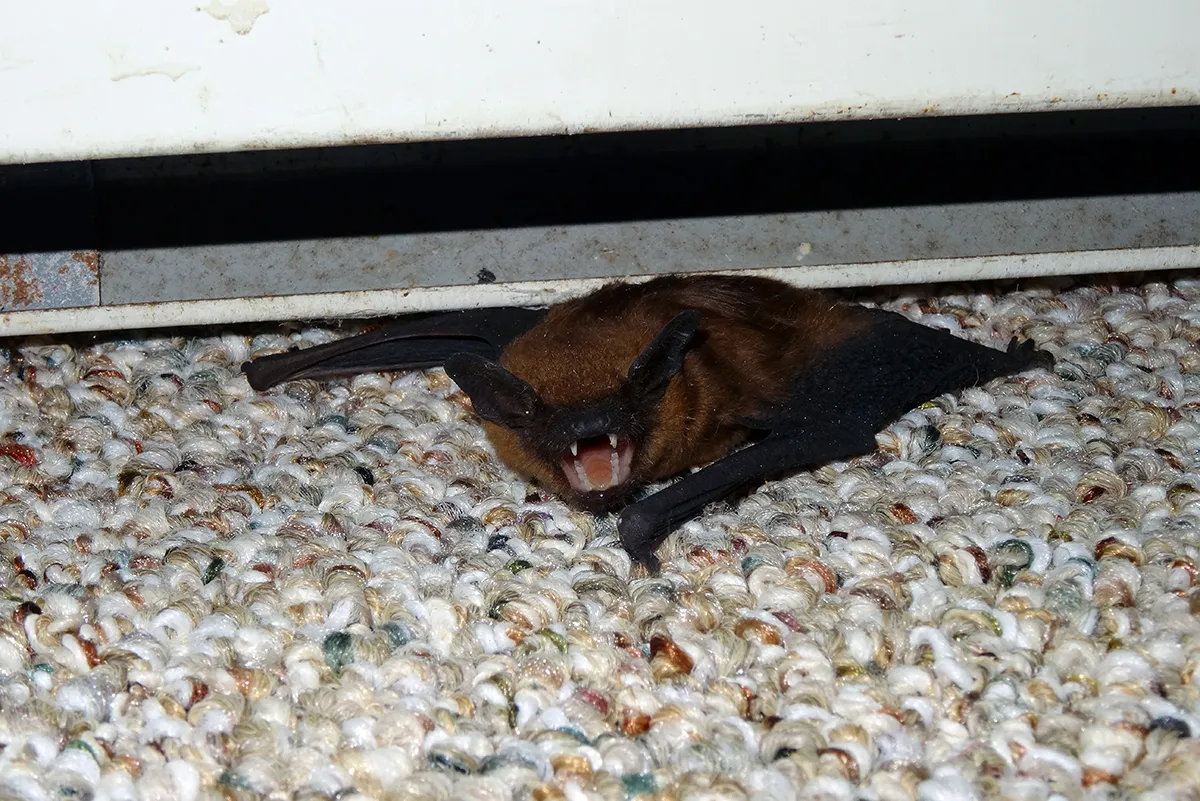
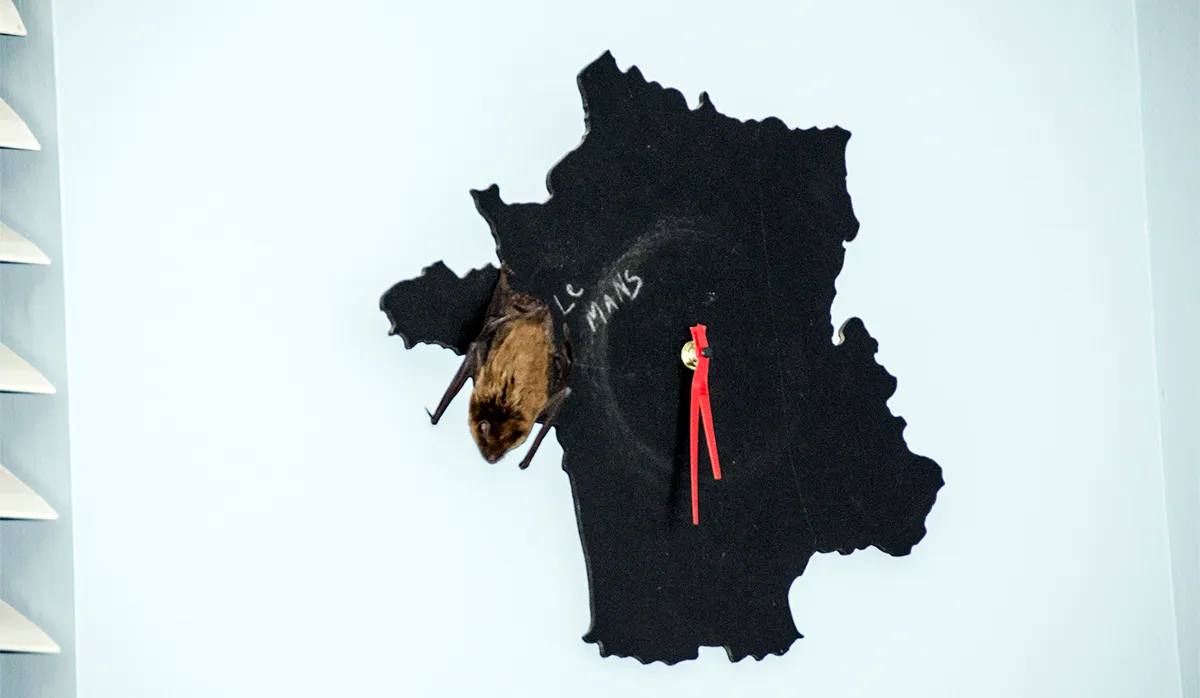
Bat Captured In Bedroom
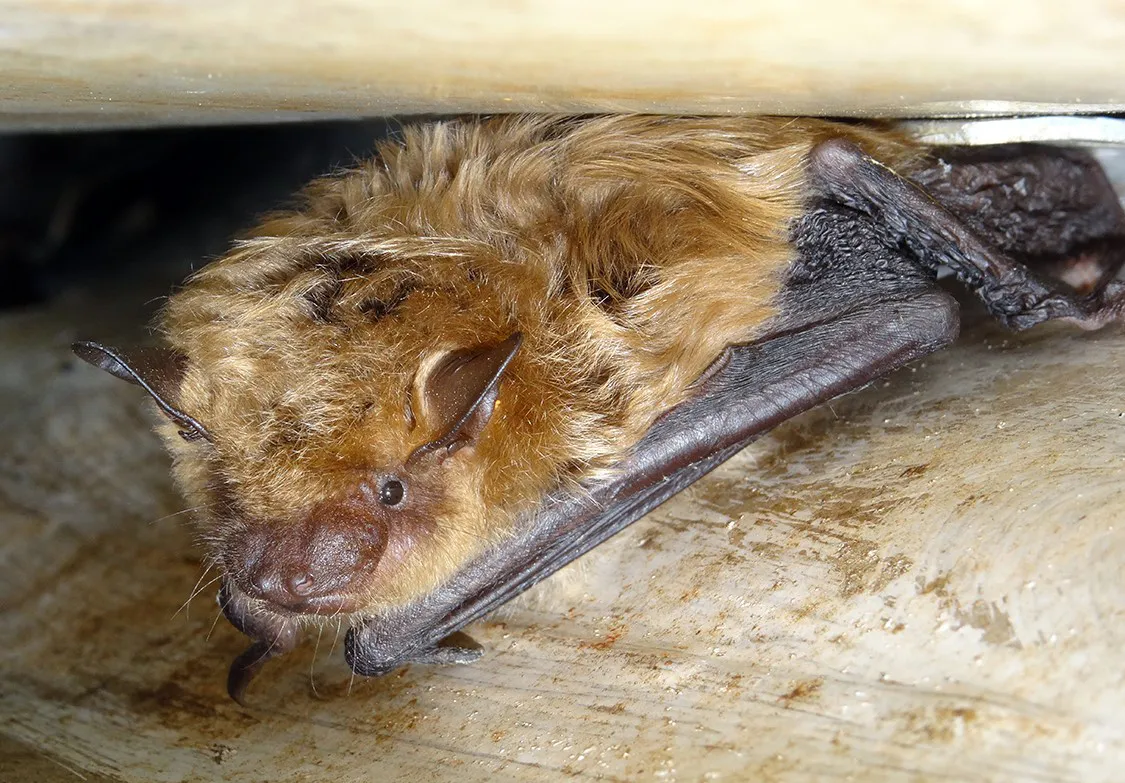
Bat Control Service
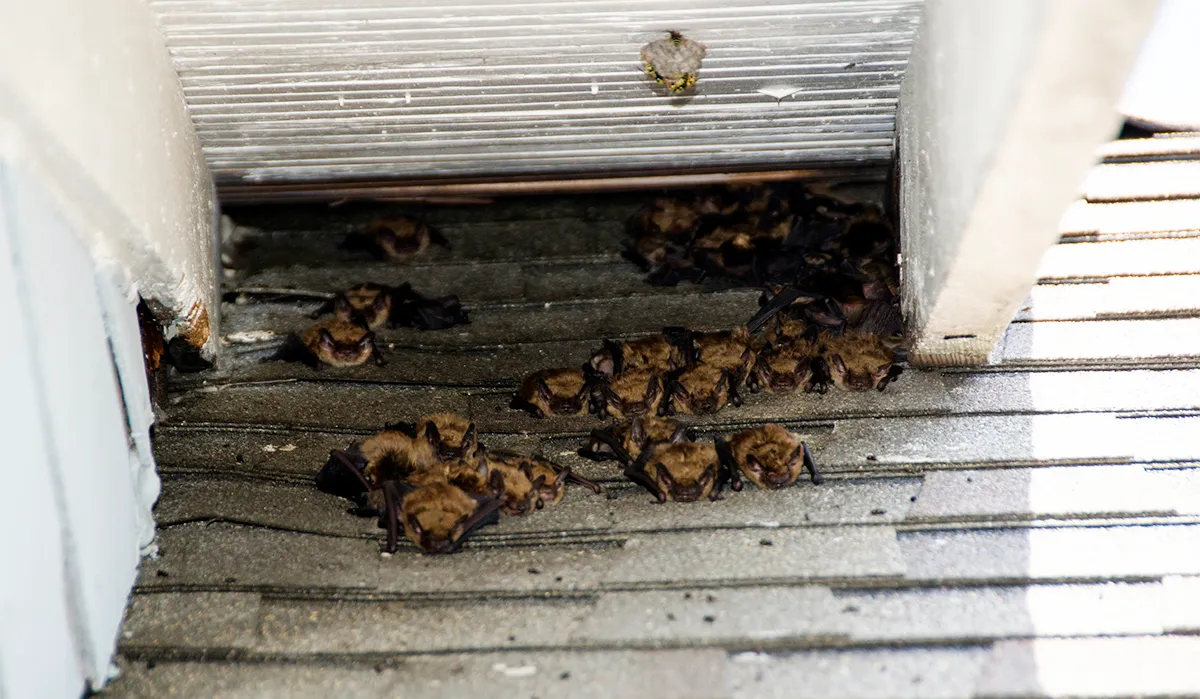
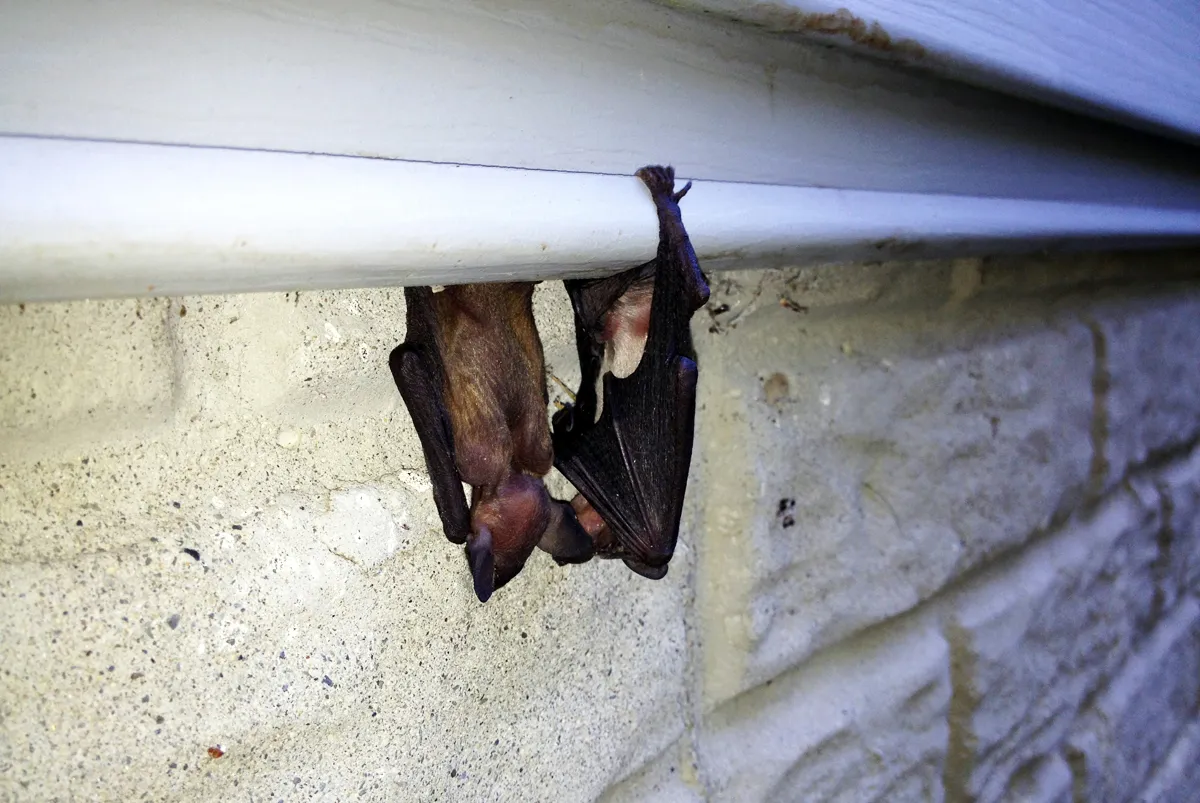
Bat Colony In Attic
Case Study: Fairfield County
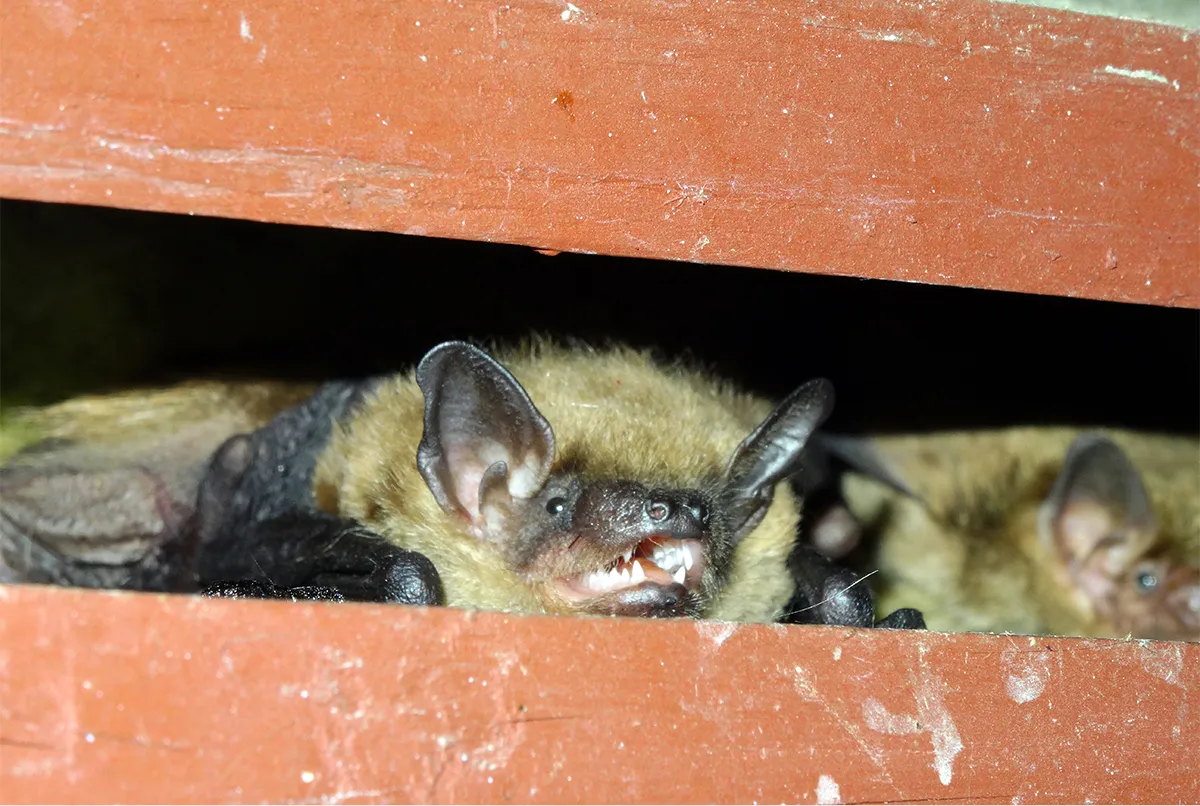
A Big Brown Bat was found in the bedroom of a Greenwich, Connecticut home at 2am. The homeowners were even less happy to learn they had a full colony in their attic. After removing the bat in the living space and taking it to the health department for rabies testing, we began bat-proofing the house. One week later, with eviction devices in place, the homeowners watched 40 to 50 Big Brown Bats exit the house and not be able to get back in.
Know Your Bats
Two Species, Two Behaviors
In the northeast, two bat species set up shop in homes. The Little Brown Bat enters attics in early spring to have pups, then leaves in fall for the caves. They come back the following spring to continue the cycle.
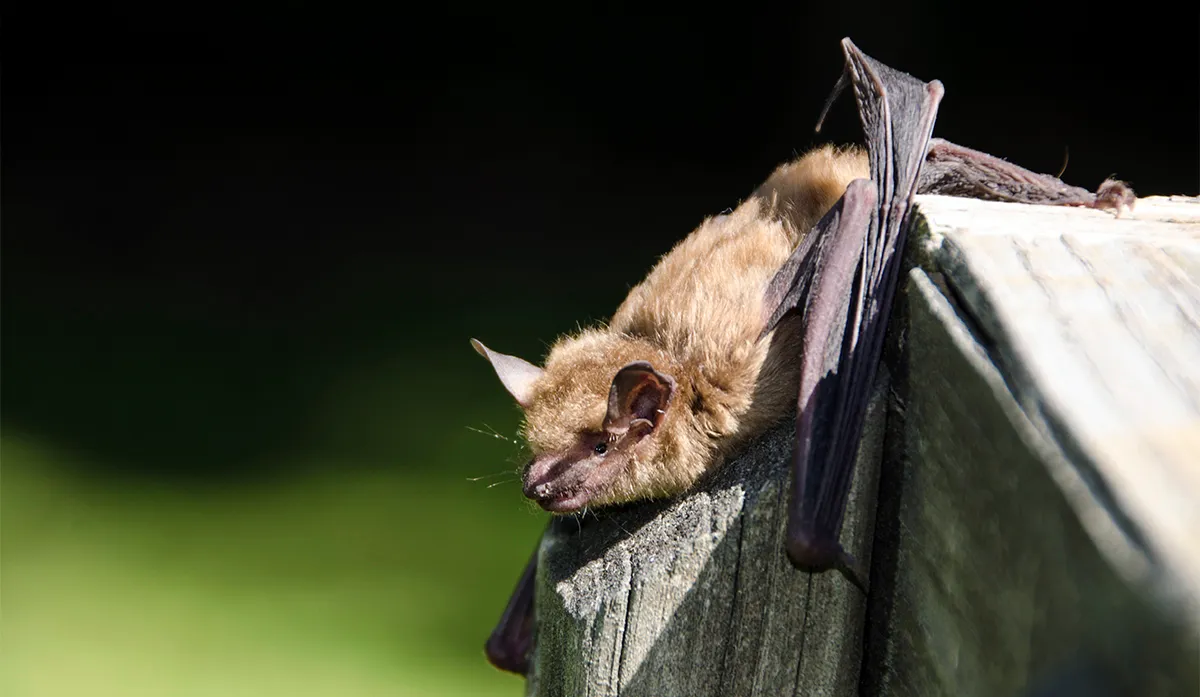
The Big Brown Bat handles cold better and will "winter over." If they've picked your house to roost in, they will never leave unless forced out. They hibernate in your attic during winter and become active again in spring. This species is the most common.
Detection
Signs of Bats in the Attic
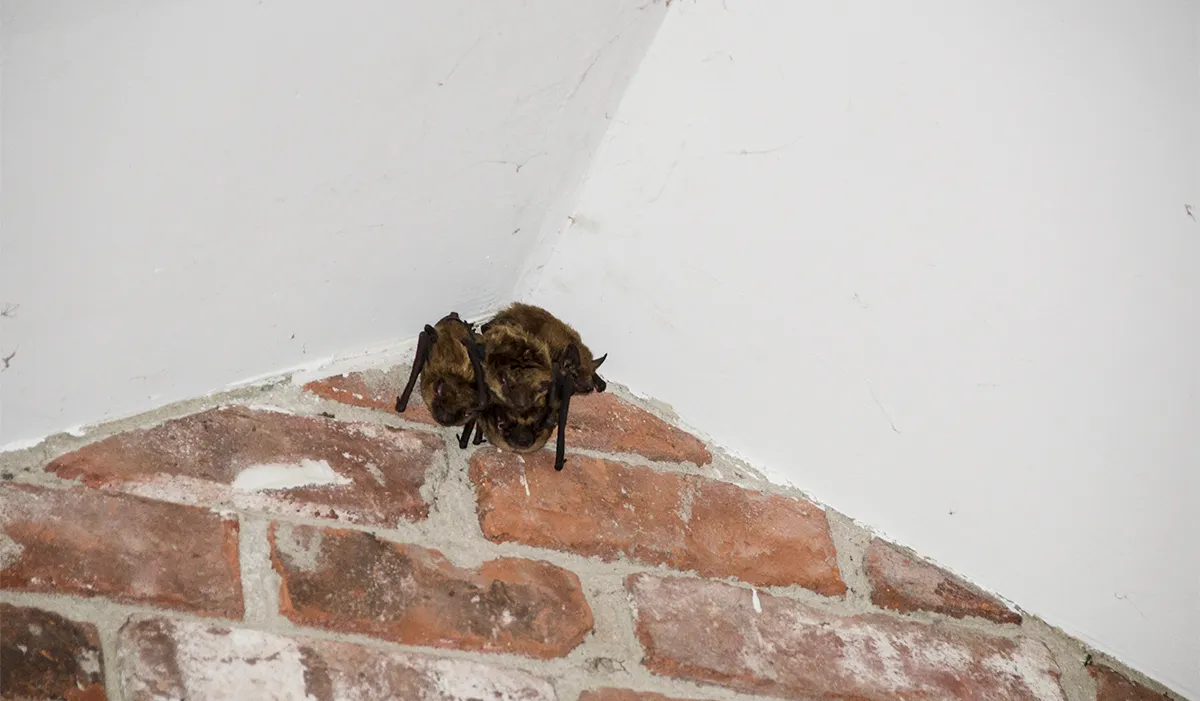
Bats are easy to miss. They're quiet, sleep all day, and build a colony in small and obscure spaces, such as in wall cavities. Noises at night, such as scratching, fluttering, or slow rustling overhead, are an early clue. Bat guano in the attic is a stronger clue. Even a few scattered droppings, or spotting a single bat sleeping in the attic, almost always means a colony is hiding somewhere in the structure.
Waking up to a bat in the living space is also extremely strong evidence of a colony. It is very rare for a bat to enter as a fluke. In order for a fluke to occur, it would typically require an unscreened door or window being left open and unattended at night for an extended period, or the chimney flue being open. If those conditions weren't met, the bat likely originated from inside the walls and attic. And even in cases where they come through an open flue or window, there is still a possibility of a bat colony in the chimney or attic, as most bats aren't exploring homes under typical conditions without living there.
Some homeowners stake out the house at dusk or dawn to watch for bats coming and going. It can work, but it takes patience and a clear view of every angle of the home. A flashlight helps. Recruiting friends to help monitor helps as well. This method is not always foolproof though, as bats are very fast and can fly upward and be obscured.
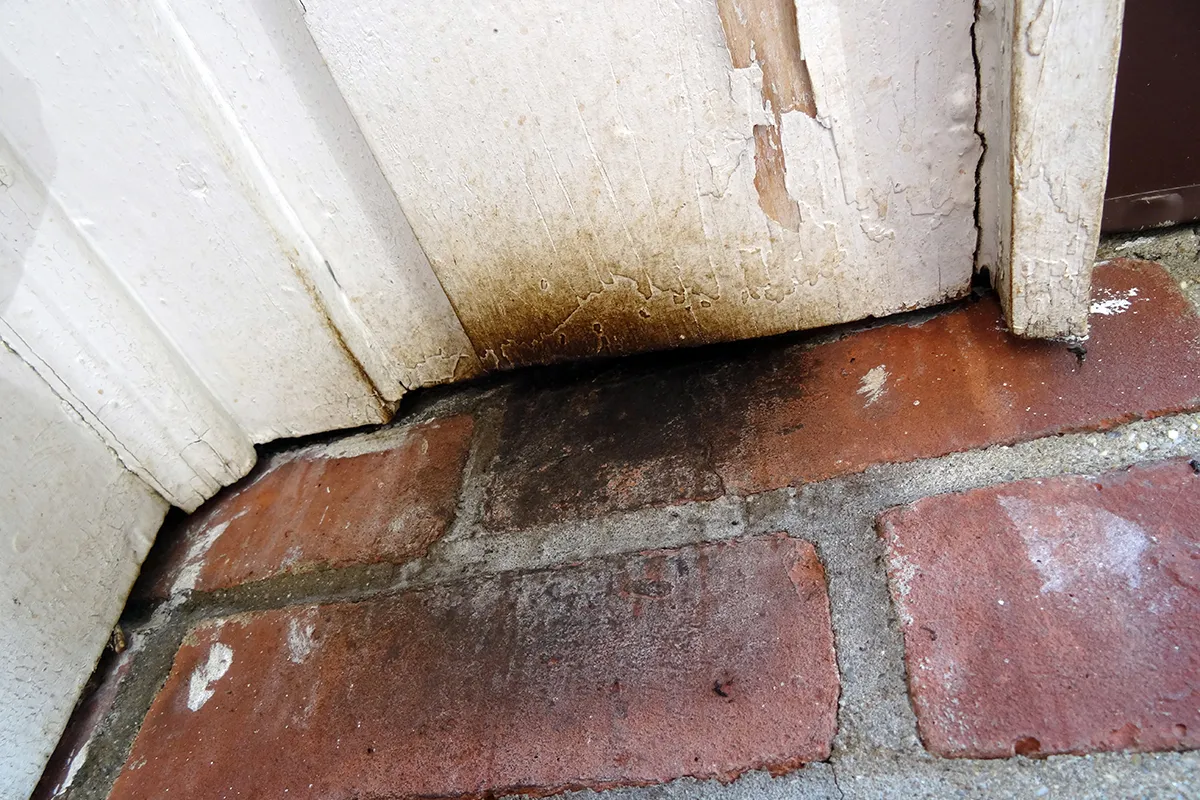
Dark staining or droppings near roofline entry points are another common giveaway. Though not always present, in cases where they are spotted you can be certain of a bat infestation.
A trained technician will recognize these quickly. If you're not sure whether you have a colony inside, an inspection will give you a definitive answer.
Health Risks
Rabies, Histoplasmosis & Parasites
Rabies. Bats have a fairly high incidence of rabies. Rabies is always fatal if untreated. "In two-thirds of the cases of bat rabies, people could not remember being bitten. Health officials say the majority of human rabies cases in the U.S. have resulted from exposure to rabid bats." -- Dr. Mark Rapoport, Chicago Tribune. It is imperative that any bats found in the living space are reported to the local health department so they can advise on testing and on rabies vaccinations.
Histoplasmosis. This is an infectious disease caused by inhaling spores of the fungus Histoplasma capsulatum, commonly present in bat droppings. When guano that has the fungus growing inside it is disturbed, the spores become airborne and can be inhaled. Symptoms of infection include fever, chest pain, cough, headache, and shortness of breath. Do not disturb suspected bat droppings.
Parasites. Bats also carry parasites including fleas, ticks, and bat bugs. Bat bugs are closely related to bed bugs and are almost identical to the naked eye. They can migrate into living spaces to feed on people and pets when bats are no longer available as hosts. Bat bugs can survive anywhere from several months to over a year without a blood meal once the bats are gone. It is imperative to sanitize and treat the roosting areas after the bats are fully removed.
Seasonal Restrictions
Maternity Season
Bat control must be performed without harming the bats. Bats are protected under federal and state law. It is illegal to remove bats from a house when babies are present and not capable of flight. In our region, bat exclusion is restricted from the time the baby bats are born until they are capable of flight, to prevent flightless pups from being trapped inside. Though timing varies by state, this period generally runs from May or June until late August. If a bat in the house is tested positive for rabies, state agencies may decide to make an exception and have the colony removed before the end of the season on a case by case basis.
Never have your house bat-proofed by an exterminator. You need a licensed wildlife control professional on site during the eviction process to ensure its success. We schedule all exclusion work in compliance with both state and federal regulations.
Emergency
Bat Inside Your Home Right Now?
Close the door to the room and stuff a towel under it. Do not open windows or doors to let it out. The Department of Health recommends the bat be captured for rabies testing, especially if someone was asleep in the room. Bats can scratch or bite a sleeping person without waking them. Call (845) 533-2773 immediately for emergency bat removal and rabies testing. If emergency techs are unavailable at this time, keep the bat confined until morning.
After the Bats Are Gone
Guano Cleanup & Attic Decontamination
Cleaning up after bats is extremely hazardous work. Most companies in our field don't even want to get involved. In many cases they seal up the house and never mention the health risks still sitting in the attic. Or worse, they disturb the feces by peeling off the top layer, spray odor neutralizers, and pretend that they solved a problem that they actually made worse.
When extensive bat damage has occurred, the entire space must be decontaminated. This begins with sealing off the space from the rest of the house to prevent contamination. Trained technicians wear hazmat-grade protective equipment, then spray down, bag and remove every piece of contaminated insulation. The space is then vacuumed with commercial HEPA-vacs and disinfected. Only after the space is deemed safe can the attic be re-insulated.
Your Insurance May Cover This
Bats are not rodents or birds. They are flying mammals. Because of this classification, attic decontamination for bats is covered by many homeowners insurance policies. We work directly with your insurance company to get the work covered at no cost to you when possible.
"Amazing! Had a bat in our house around 1:45 in the morning. Only company I called who actually answered late at night and came out for a night call. Kris was a pleasure and got the bat out in 5 mins!"
Sarah Silva
Airmont, NY · Rockland County
"I woke up in the middle of the night with a bat crawling around the covers. Kris got to our house within the hour. He caught the bat and prepared it for testing. The department of health called two days later -- rabies test was negative. Thank God!"
Jennifer Carrera
Pelham, NY · Westchester County
"Kris is the best! We had a bat problem and not only did he educate our family but he completely fixed the problem. This company cares about its customers and does an amazing job in the quality of their work. Bats are gone and we couldn't be happier!"
Melanie Sindaco
Nyack, NY · Rockland County
"We used them for bat remediation. Austin walked us through everything on the phone with extensive detail. His brother Kris did the work on our house himself. He was extremely meticulous and methodical in his work. I highly recommend them."
Richard L.
Mahwah, NJ · Bergen County
Common Questions
Bat Removal FAQ
We provide a free on-site inspection before quoting any work. Pricing depends on the size of the colony, number of entry points, and scope of exclusion and cleanup needed. We give upfront written estimates with no hidden fees.
Hire a licensed wildlife professional. Bats are federally and state protected, carry a high rabies incidence, and DIY exclusion has a steep failure mode: sealing the wrong gaps traps bats inside the walls or pushes them into the living space. Dead bats in walls can cost thousands of dollars to remediate and may also constitute a violation of federal bat protection laws. We inspect every entry point, install one-way eviction devices that let bats exit but not return, then seal the entire structure once the colony is out. The work is backed by a 25-year transferable warranty.
No. Both Federal and Local regulations prohibit bat exclusion from late May through August when flightless pups may be present. We can inspect and plan during this window, and begin preliminary sealing work. However, eviction devices must go up either before or after the restricted period.
Call us immediately at (845) 533-2773. Close the door to the room and stuff a towel under it. Do not open windows or doors to let it out. The Department of Health recommends the bat be captured for rabies testing, especially if anyone was asleep in the room.
Bat damage and decontamination are often covered by homeowners insurance because bats are mammals, not pests. We work with your insurance company directly, document the damage, and help you file the claim.
It's a valve or netting system installed over the bats' main entry point. Bats can crawl or fly out at dusk as normal, but the device prevents them from re-entering. After all bats have exited, we remove the device and permanently seal the opening.
Typically 1 to 2 weeks from start to finish. We seal every entry point except the main access, install the one-way devices, and allow enough time for the entire colony to exit before completing the final seal.
Our comprehensive seal protects the entire home against bat entry, and is backed by a 25-year transferable warranty. If bats re-enter through any point on the home, other than doors or windows that you leave open, we come back and fix it at no charge. The warranty transfers with the property if you sell your home. Some homeowners will choose to exclude the foundation, as bats rarely enter homes at the ground level. But aside from optional exclusions, comprehensive means comprehensive.