Birds nesting in vents, chimneys, soffits, attics, and building facades create fire hazards, health risks, and property damage. TriState Wildlife provides humane bird removal and exclusion for residential and commercial properties across New York, New Jersey, and Connecticut. We extract birds from dryer vents and bathroom exhaust fans, install chimney caps, remove nests, and set up netting and deterrent systems. All work is performed in compliance with the Federal Migratory Bird Treaty Act.
"TriState cleaned it out, removed the birds, and installed a vent cover in under an hour."
— Janet F., Larchmont, NY
How We Work
Humane Bird Removal Process
We start with an inspection to identify the species, locate nest sites, and assess the scope of the problem. Species identification matters because many birds are protected under federal law. Starlings, pigeons, and house sparrows are not protected and can be removed at any time.
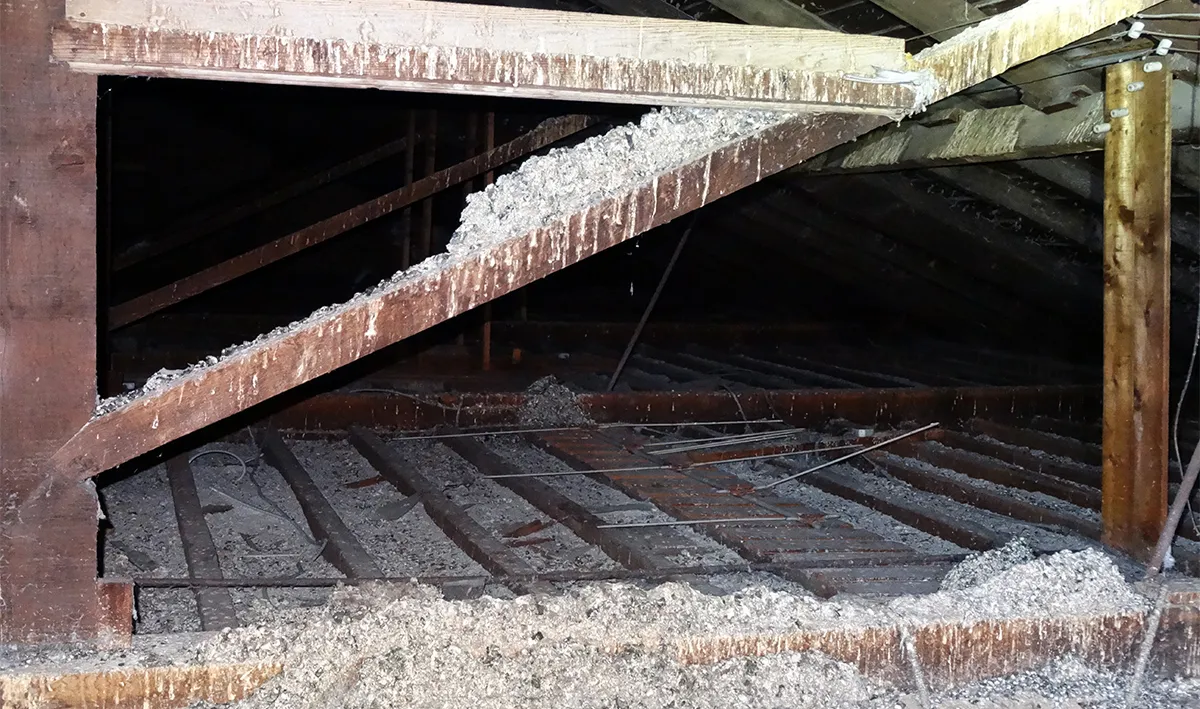
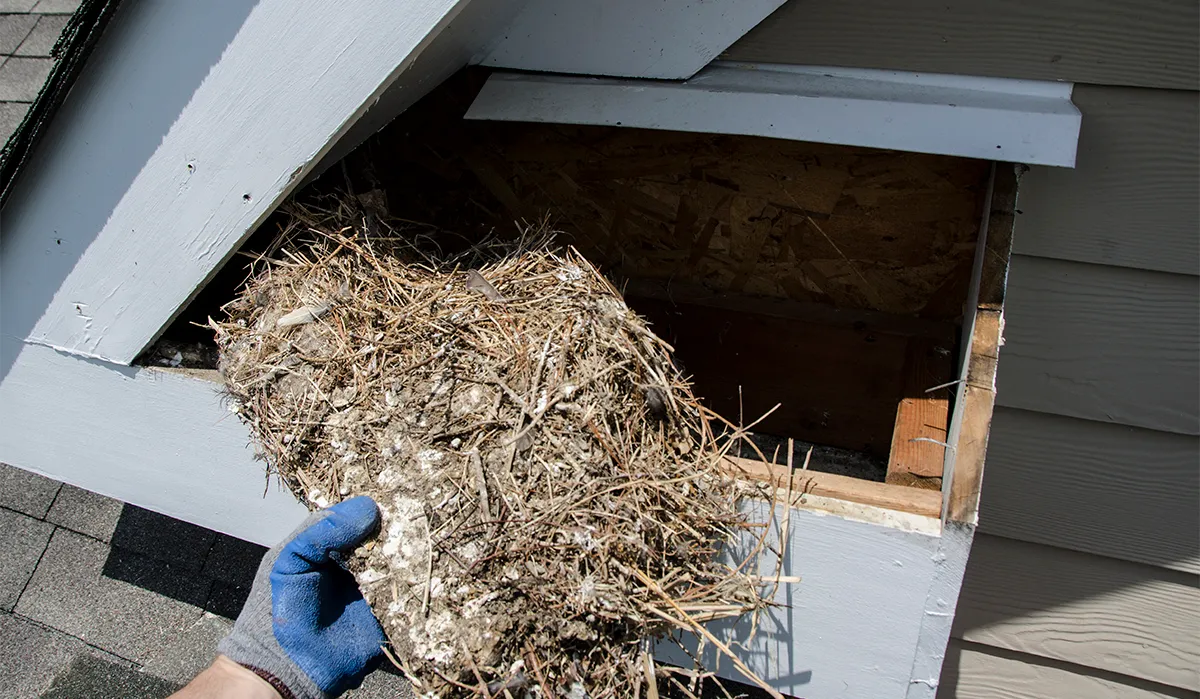
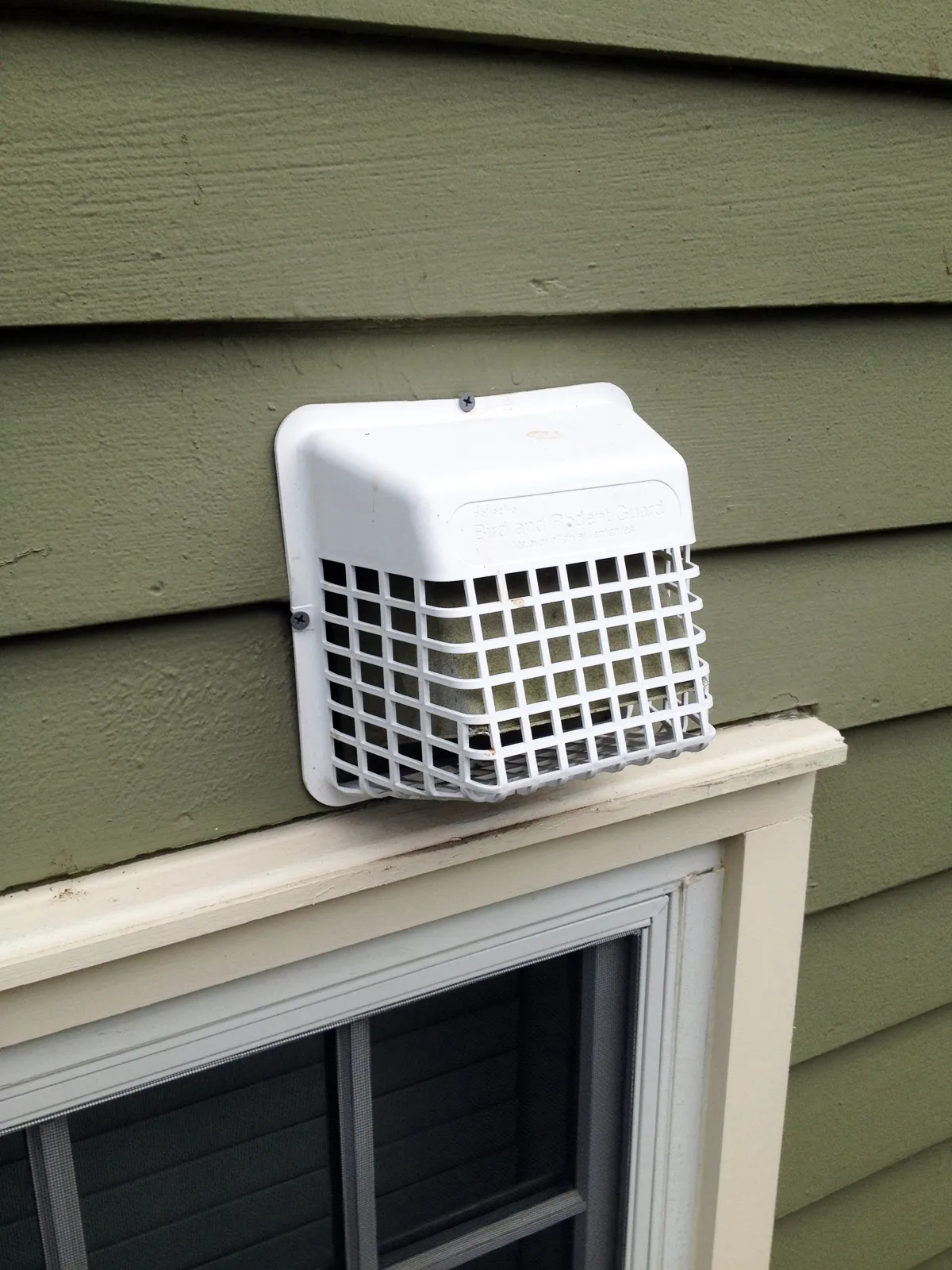
For birds trapped in vents, we extract the bird and any nesting material, then install a professional vent cover that allows airflow but prevents re-entry. For chimney situations, we remove the bird (if accessible) and install a stainless steel chimney cap. For birds in attics we systematically protect the entire roof line and all vent entrances.
For larger infestations on commercial properties or buildings with chronic roosting problems, we install bird netting, spike strips, or other deterrent systems. We tailor the approach to the species and the structure.
All bird removal is performed in compliance with federal and state law. We do not disturb active nests of protected species during nesting season.
Our Bird Work
Photos from Recent Jobs
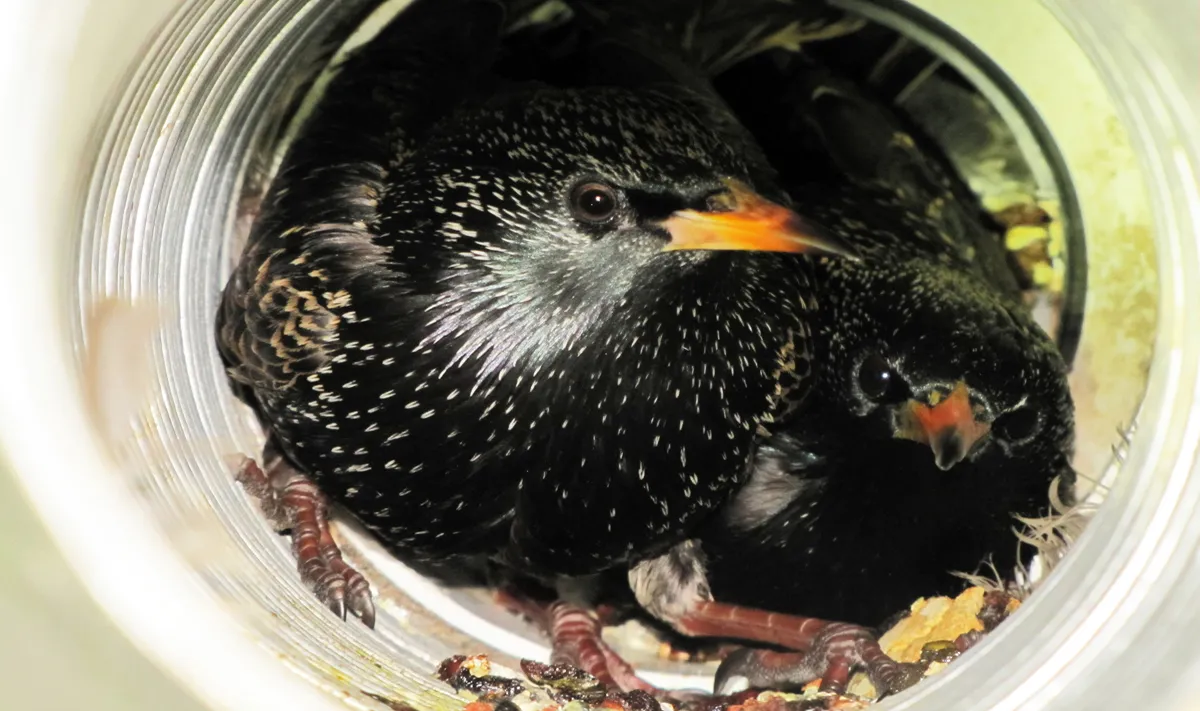
Birds In Dryer Vent
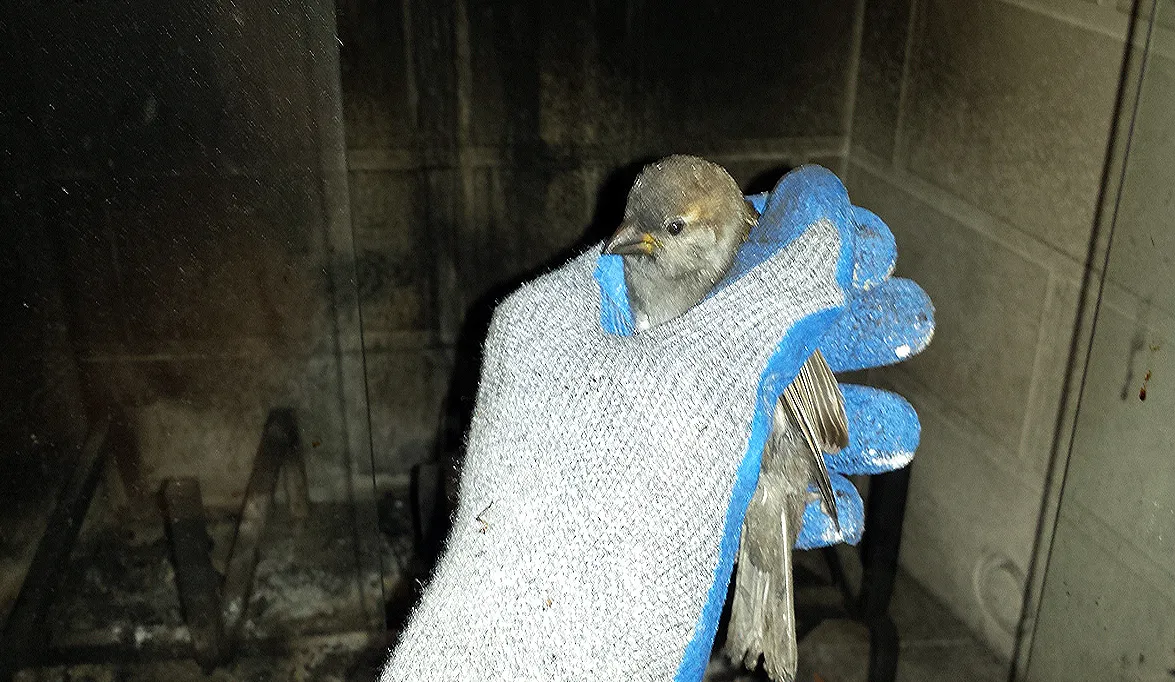
Bird In The Chimney
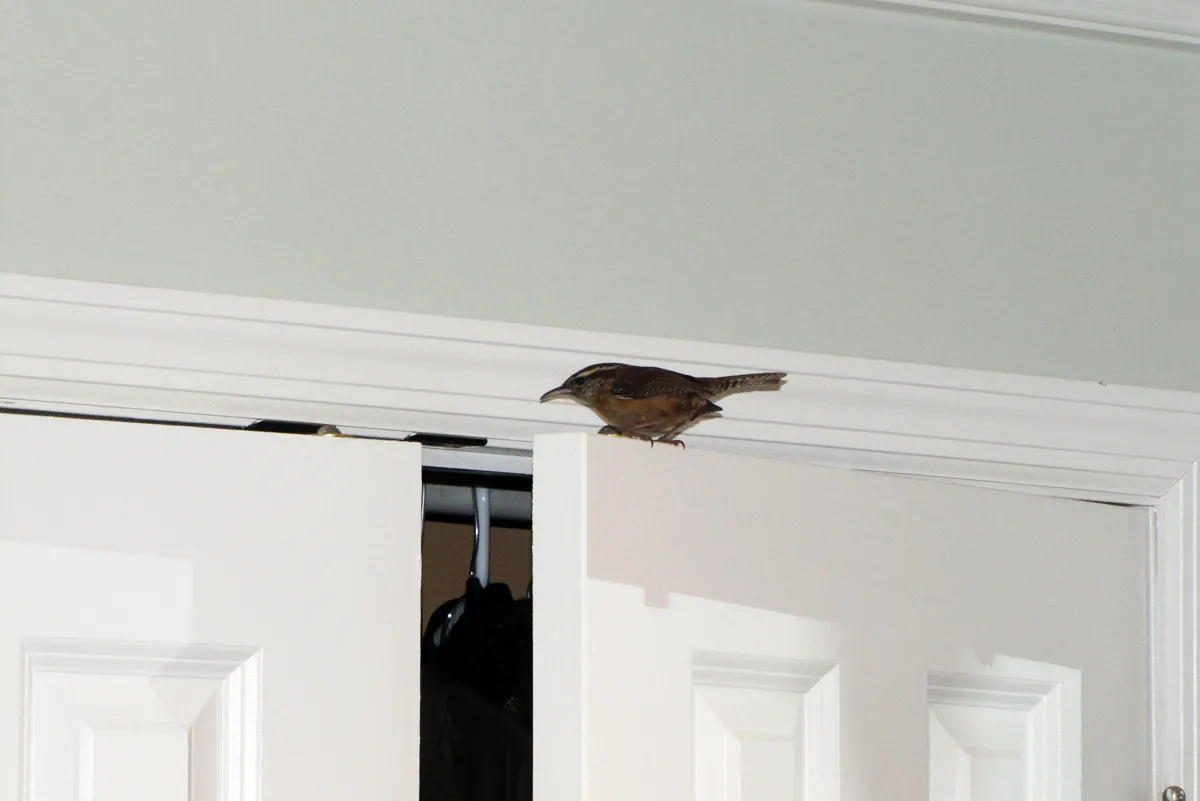
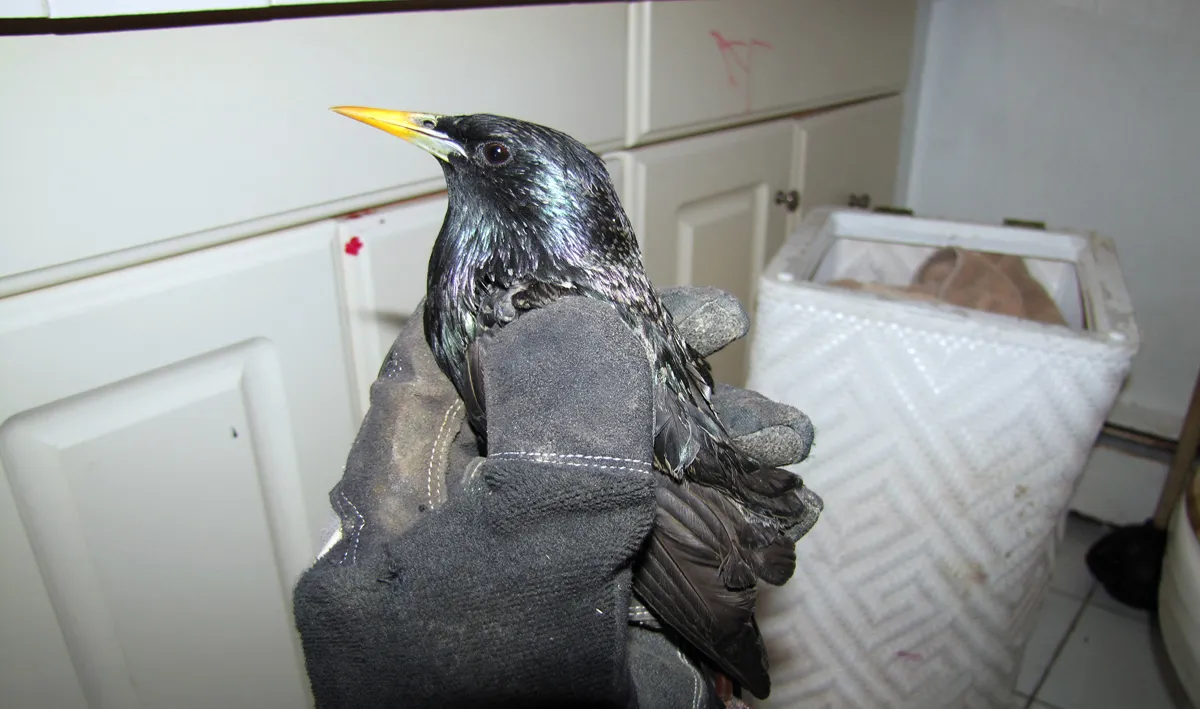
Bird In The House
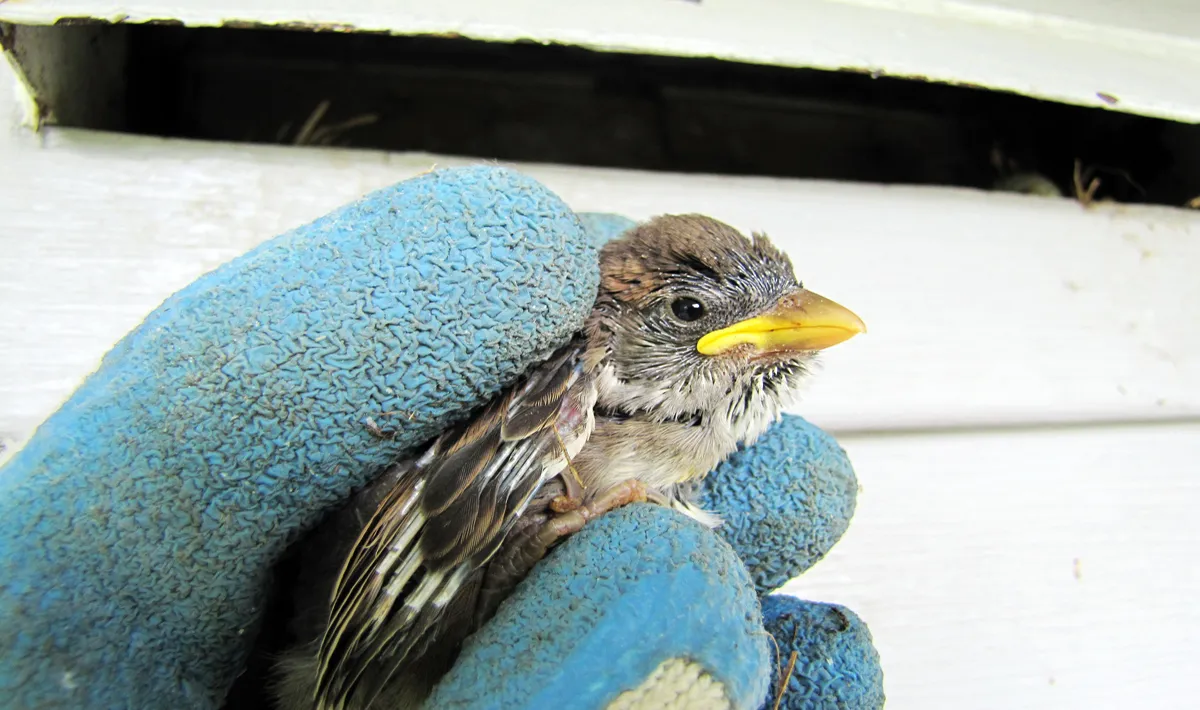
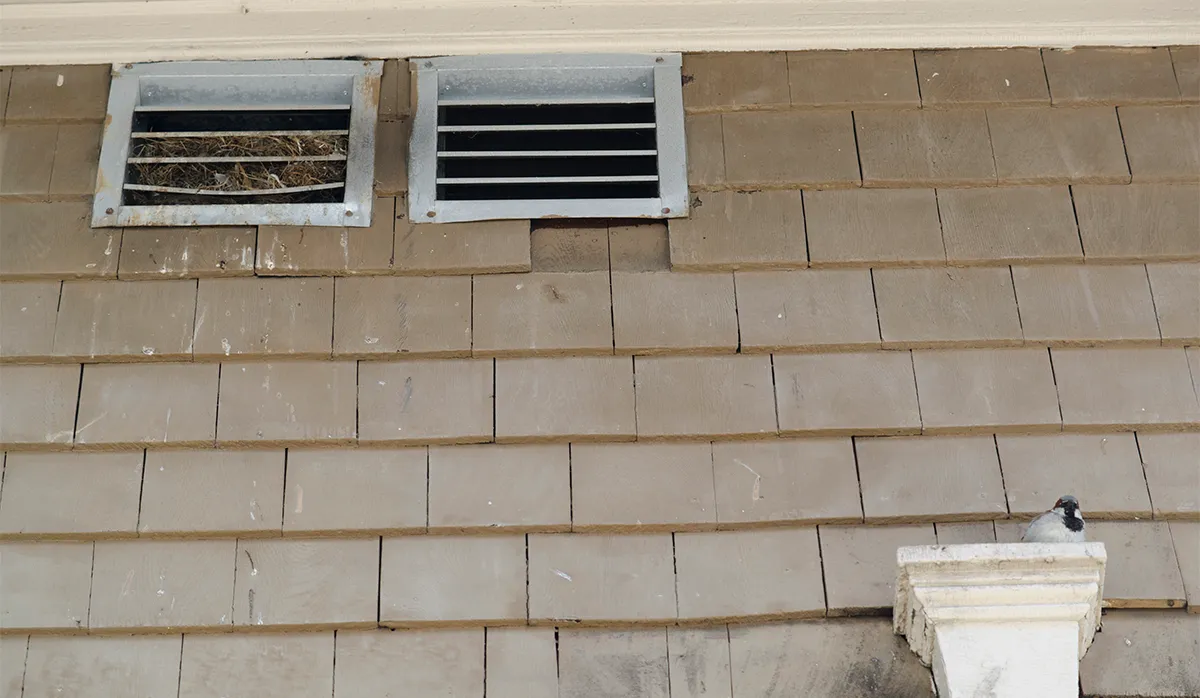
Birds In Vent
Case Study: Westchester County
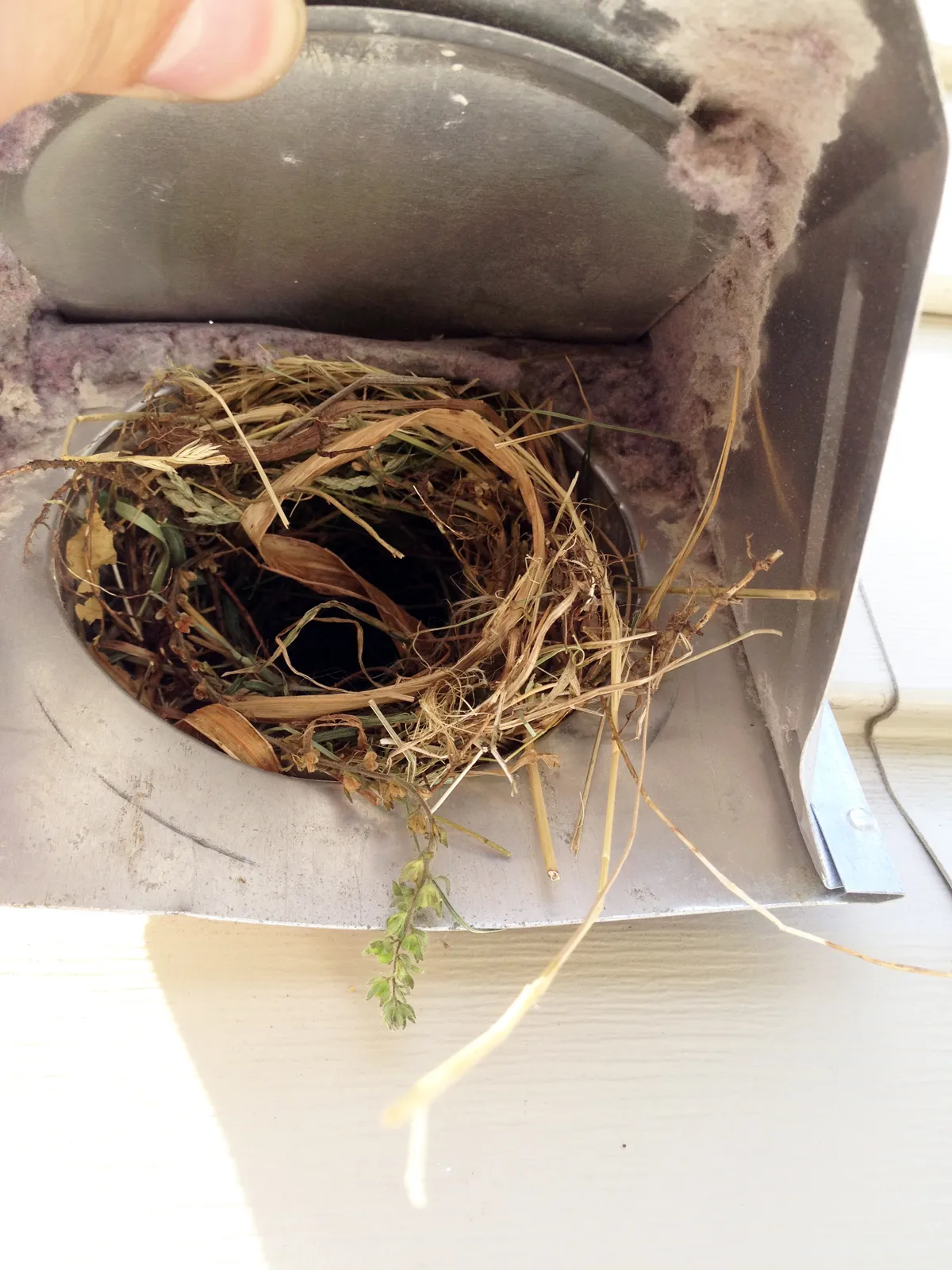
A Larchmont homeowner noticed their dryer was not drying clothes properly. We inspected the dryer vent and found a starling nest packed with sticks, feathers, and debris that had completely blocked the 4-inch exhaust. This is a fire hazard. We removed the nest, extracted two adult starlings, cleaned the vent line, and installed a bird-proof vent cover. The homeowner said no one had thought to check the vent in years.
Common Species
Birds That Cause Problems in Homes
European Starlings are the most common vent-nesting bird. They are aggressive, prolific, and not protected under federal law. They pack dryer vents, bathroom exhaust fans, and range hood vents with nesting material, creating fire hazards and blocking airflow.
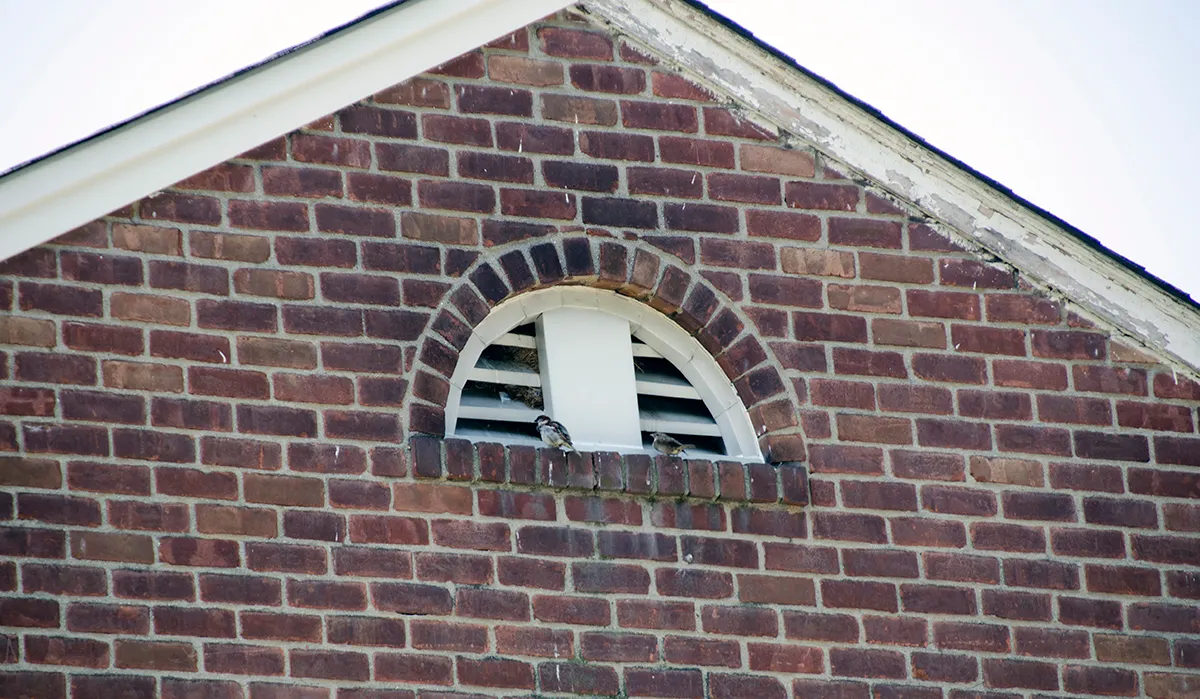
House Sparrows nest in gaps in soffits, behind shutters, and in building facades. They are also unprotected. Their nests attract bird mites, which can migrate into living spaces.
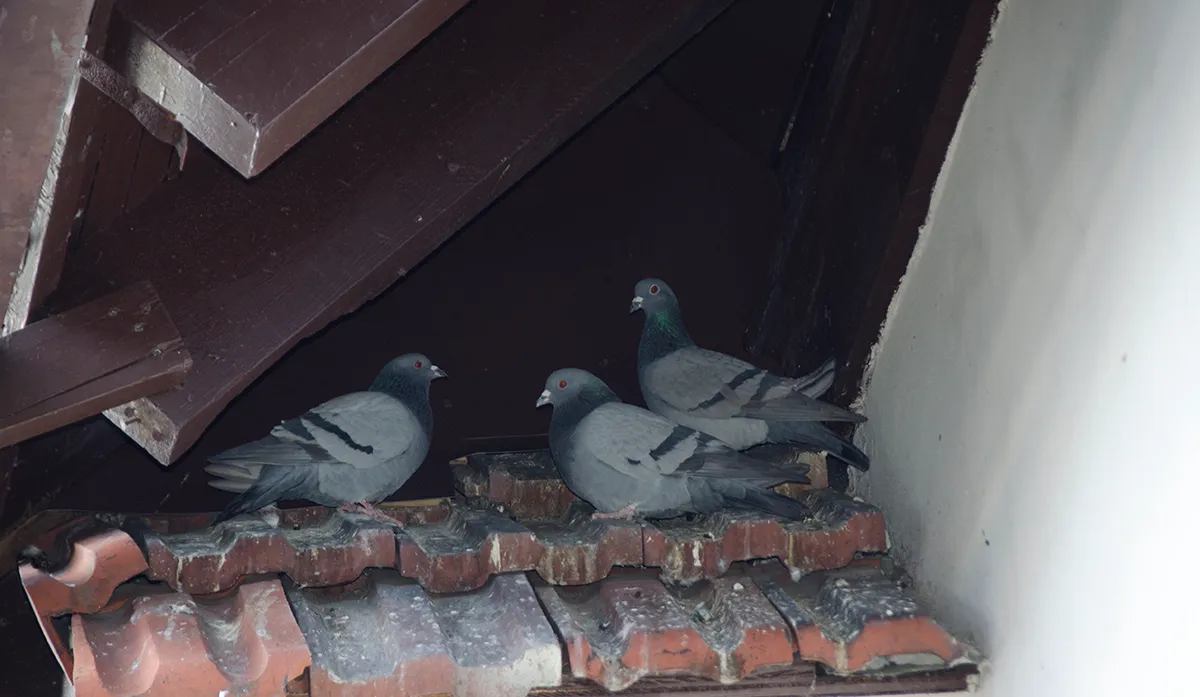
Pigeons roost on ledges, under overhangs, and in parking structures. Their droppings are acidic and damage paint, metal, and masonry. Pigeon infestations are primarily a commercial problem.
Chimney Swifts nest inside chimneys and are federally protected. It is illegal to remove them or their nests during nesting season (May through August). We install chimney caps after the birds have departed in fall.
House Finches nest in vents, exterior light fixtures, and decorative features on homes. They are federally protected under the Migratory Bird Treaty Act. Nests cannot be disturbed while eggs or young are present.
Woodpeckers do not typically nest inside homes but cause exterior damage by drilling into wood siding, fascia, and trim. They are federally protected. Damage should be repaired and deterrents installed to prevent continued activity.
Health Risks
Fire Hazards, Mites & Droppings
Blocked dryer vents are a fire hazard. Lint builds up behind the nest material and cannot exhaust. The combination of heat, lint, and dry nesting material is a textbook ignition source. The U.S. Fire Administration estimates that clogged dryer vents cause thousands of house fires per year.
Bird nests harbor bird mites, which are tiny parasites that feed on bird blood. When the birds leave or die, the mites migrate into the home looking for a new host. Bird mite infestations cause itching, rashes, and significant distress.
Bird droppings carry histoplasmosis, cryptococcosis, and other diseases. Large accumulations of bird droppings should not be disturbed without proper protective equipment.
Legal Compliance
Federal Migratory Bird Treaty Act
Most native birds in the United States are protected under the Migratory Bird Treaty Act. It is illegal to remove, relocate, or destroy active nests of protected species. Violations carry significant fines.
Three common nuisance species are not protected: European Starlings, House Sparrows, and Pigeons. These can be removed at any time. For protected species like Chimney Swifts, we schedule removal and exclusion for after the nesting season ends.
What Customers Say
Bird Removal Reviews
"Starlings had packed our dryer vent with sticks. Dryer was overheating. TriState cleaned it out, removed the birds, and installed a vent cover in under an hour. Should have called them sooner."
Janet F.
Larchmont, NY · Westchester County
"Birds in the chimney every spring. Kris explained the chimney swift rules, waited until fall, and installed a cap. First spring in years without birds chirping at 5am."
Paul M.
Bronxville, NY · Westchester County
"We were getting tiny bites all over. Turned out bird mites from a nest in the bathroom vent. TriState removed the nest, treated the vent, and the bites stopped immediately."
Rachel K.
Tenafly, NJ · Bergen County
"We had a bird problem nested in the AC drain pipe. Kris was awesome. He knew what the issue was and explained well to me. He did the work to prevent future issues. He was kind and very helpful."
Nancy H.
Fishkill, NY · Dutchess County
Common Questions
Bird Removal FAQ
If the bird is a starling, sparrow, or pigeon, then yes. However, not only does this risk exposing you to bird mites and other pathogens, if there are eggs or baby birds present it will lead to their death in most cases. Also, most homeowners cannot properly clear and seal the vent to prevent re-nesting. If the bird is a protected species with an active nest, removal is illegal without a federal permit.
Yes. A blocked dryer vent causes lint to accumulate, the dryer to overheat, and creates a fire hazard. The USFA estimates thousands of dryer vent fires per year. If your dryer is taking longer to dry clothes, check the vent.
Bird mites are tiny parasites that live in bird nests and feed on bird blood. When birds leave or die, the mites migrate into your home looking for a new host. They bite humans, causing itching and rashes. Removing the nest source is the only permanent solution.
Not during nesting season. Chimney swifts are federally protected under the Migratory Bird Treaty Act. We schedule chimney cap installation for after the birds depart in fall (typically September or October).
Yes. We install bird netting, spike strips, and other deterrent systems for residential and commercial properties with pigeon roosting problems. Pigeons are not protected and can be excluded at any time.
We provide a free on-site inspection before quoting. Pricing depends on the species, location of the nest, and whether vent covers, chimney caps, or netting are needed. Upfront written estimates with no hidden fees.
Call a licensed wildlife professional. Birds in dryer vents, bathroom vents, and exhaust fans create fire hazards from blocked airflow and bring bird mites that can migrate into the home. Babies are often present. Depending on the species and time of year, removing them can either kill them or violate federal law. A professional assesses the situation and makes a plan that's safe and legal: extract the birds and nesting material, decontaminate the duct, then install a vent cover that allows airflow but prevents re-entry.
Woodpeckers are federally protected, so they cannot be trapped or removed. They drill for three reasons: feeding (looking for insects in the wood), drumming (territorial display), or nesting. Common DIY deterrents include reflective mylar tape, predator decoys (owls, hawks), netting, spinning windsocks, and ultrasonic devices. An all-of-the-above approach typically works best because woodpeckers habituate quickly to any single deterrent. We assess which behavior is driving the damage, repair the wood, and install layered deterrents that discourage continued activity.