Raccoons In Your Home? Emergency Service Available
Family Business Since 1998
Licensed & Insured
Free Quotes
Humane Removal & Relocation
Industry Leading Guarantees
Raccoons are among the most destructive animals that invade homes in the tri-state area. They tear open soffits, rip through roof decking, and destroy insulation. A mother raccoon with babies in your attic will cause thousands of dollars in damage if left unchecked. TriState Wildlife handles every phase: humane trapping and removal of adults, baby extraction by hand, structural repair, exclusion, and feces decontamination. All exclusion work is backed by an industry-leading written guarantee.
"Kris came out, trapped the mother, and removed the babies by hand."
— Mark D., Scarsdale, NY
How We Work
Humane Raccoon Removal Process
We start with a full home inspection. We check the attic, roofline, soffits, fascia, chimneys, and crawl spaces to determine where raccoons are getting in, how many are present, and whether babies are involved. During maternity season (March through June), we almost always find litters.
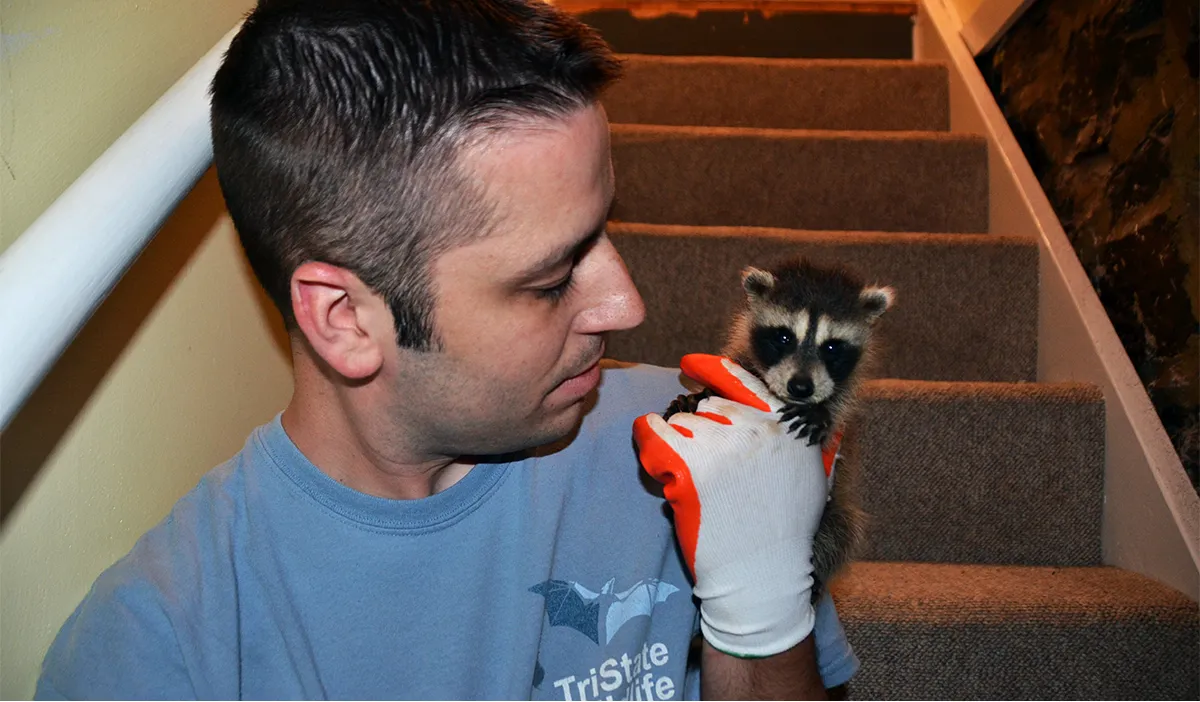
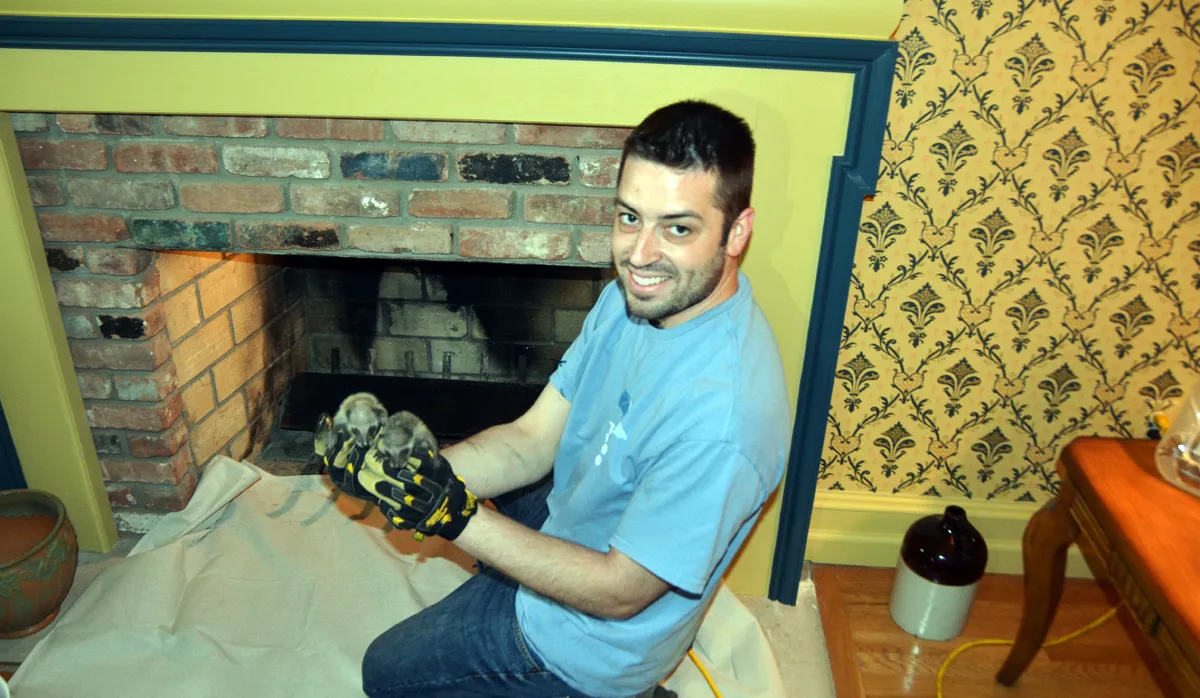
If babies are present, we extract them by hand before setting traps for the mother. This is critical. If you trap the mother first, the babies die in the attic and you have a much bigger problem. Our technicians are trained in safe, humane hand-removal of raccoon litters.
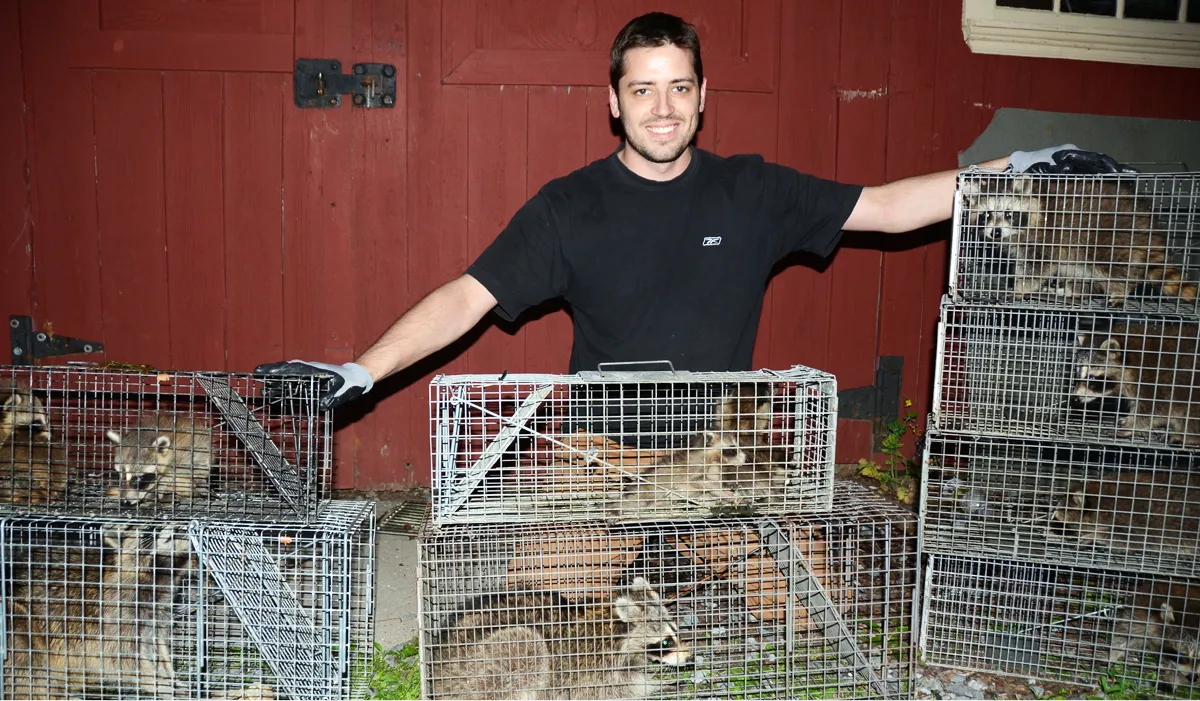
Adults are captured using professional cage traps placed at entry points or along travel routes. Once all raccoons are removed, we seal every entry point with heavy-gauge materials raccoons cannot tear through. We then assess the damage and recommend any necessary repair or decontamination.
Every exclusion seal is backed by a written guarantee. If raccoons re-enter through any point we sealed, we come back and fix it at no cost.
Our Raccoon Work
Photos from Recent Jobs
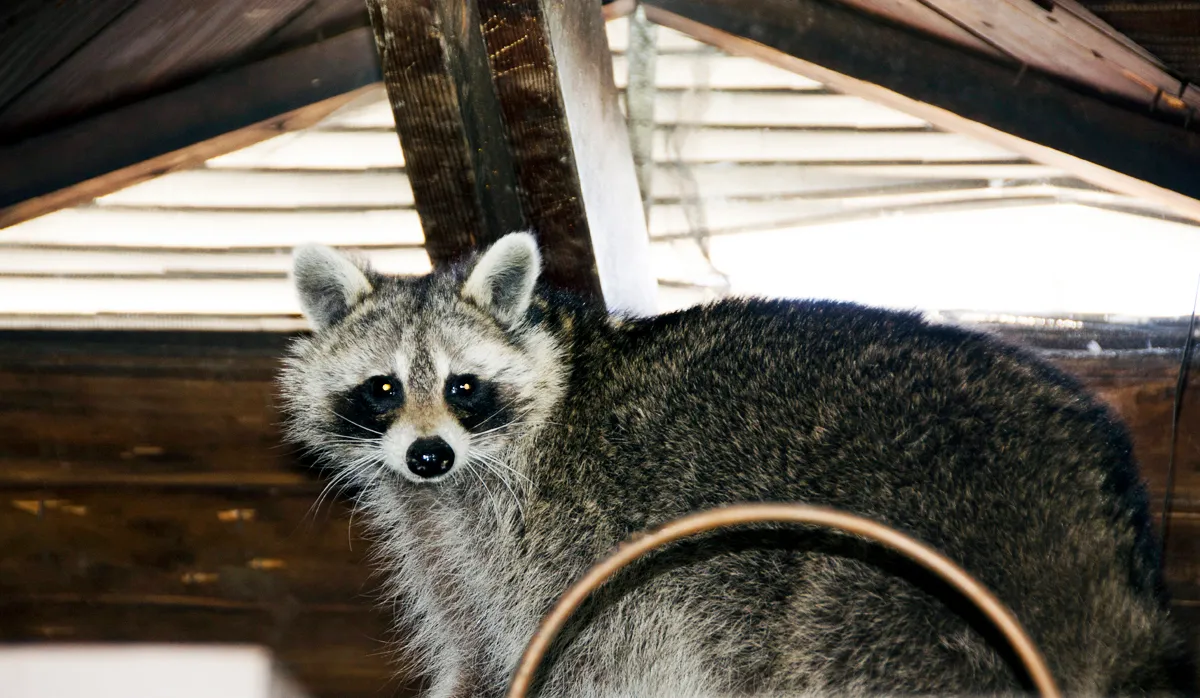
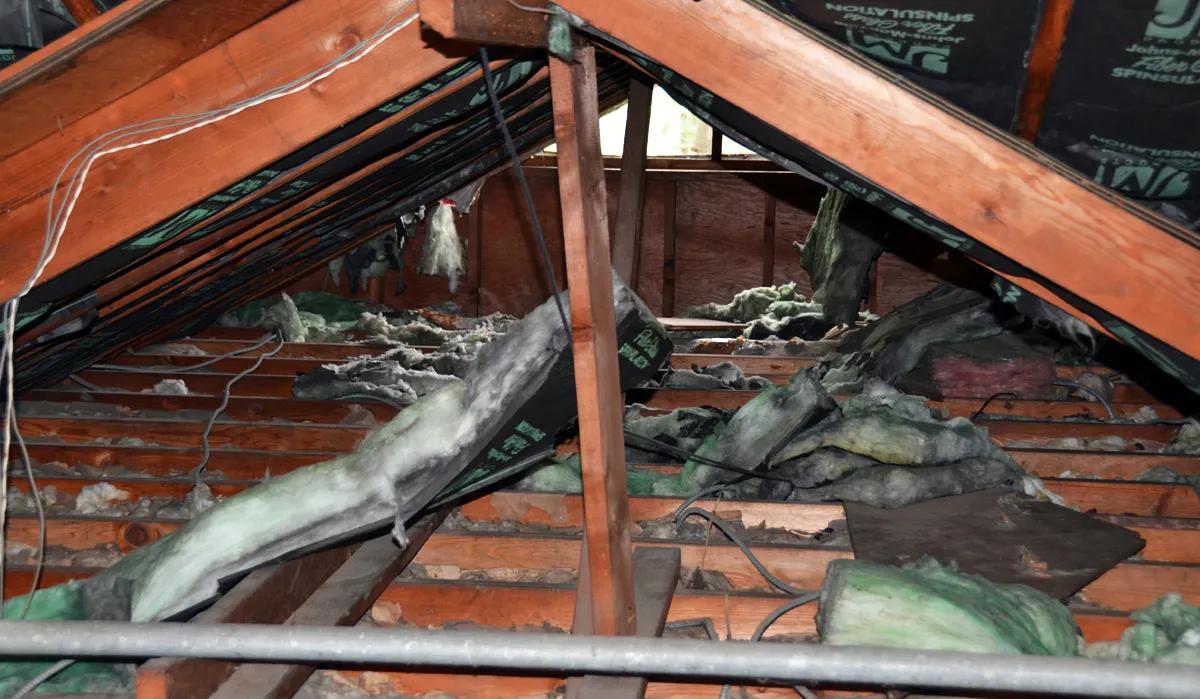
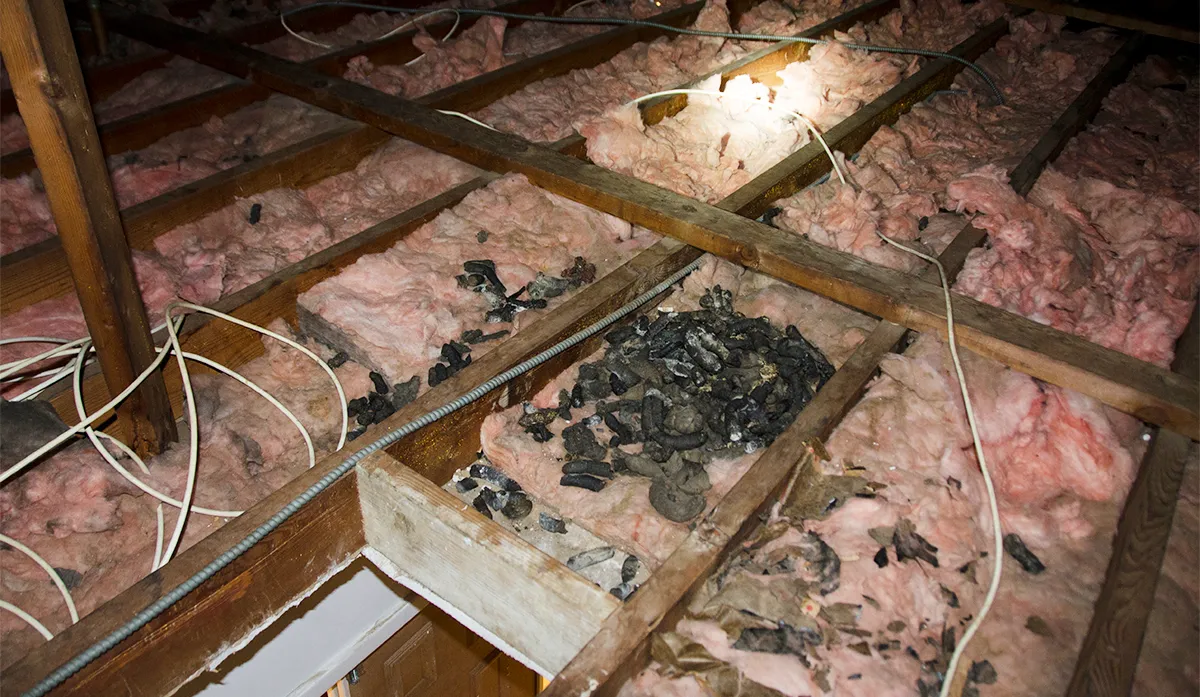
Raccoons In The Attic
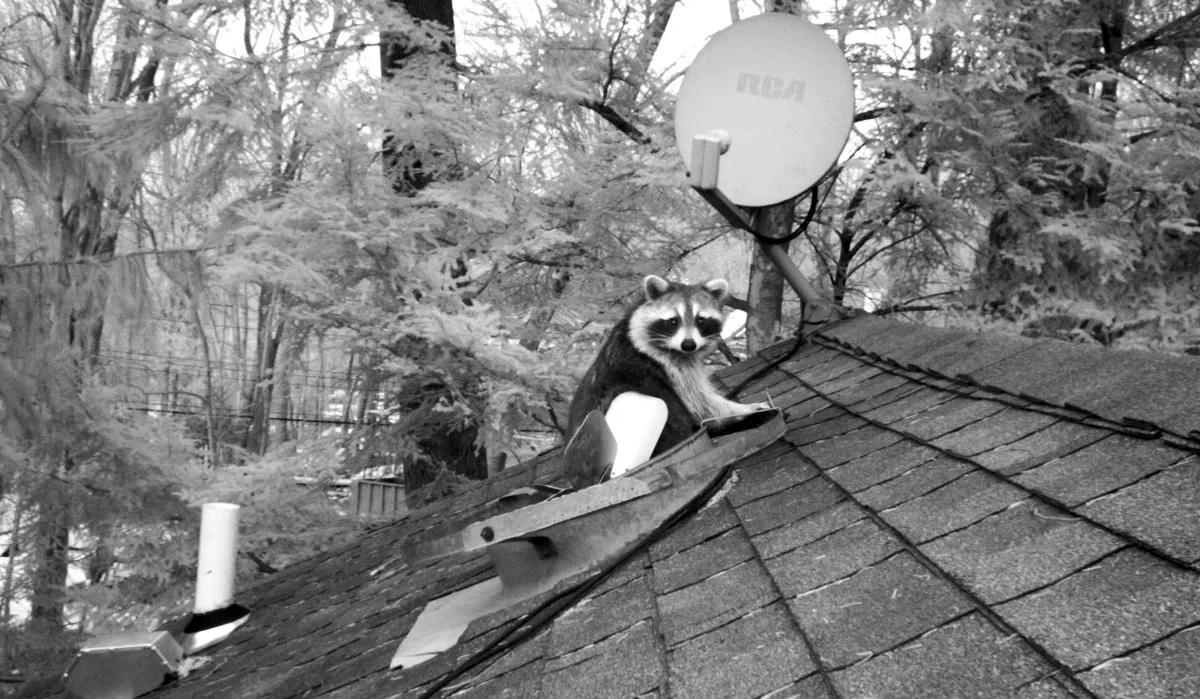
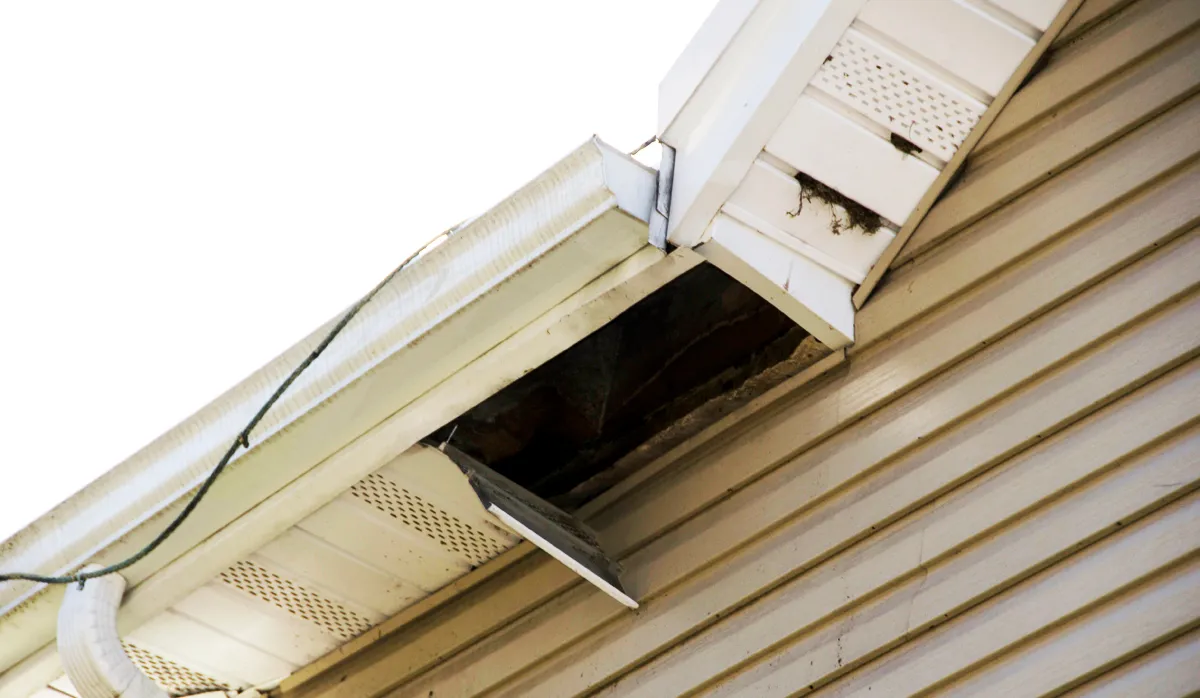
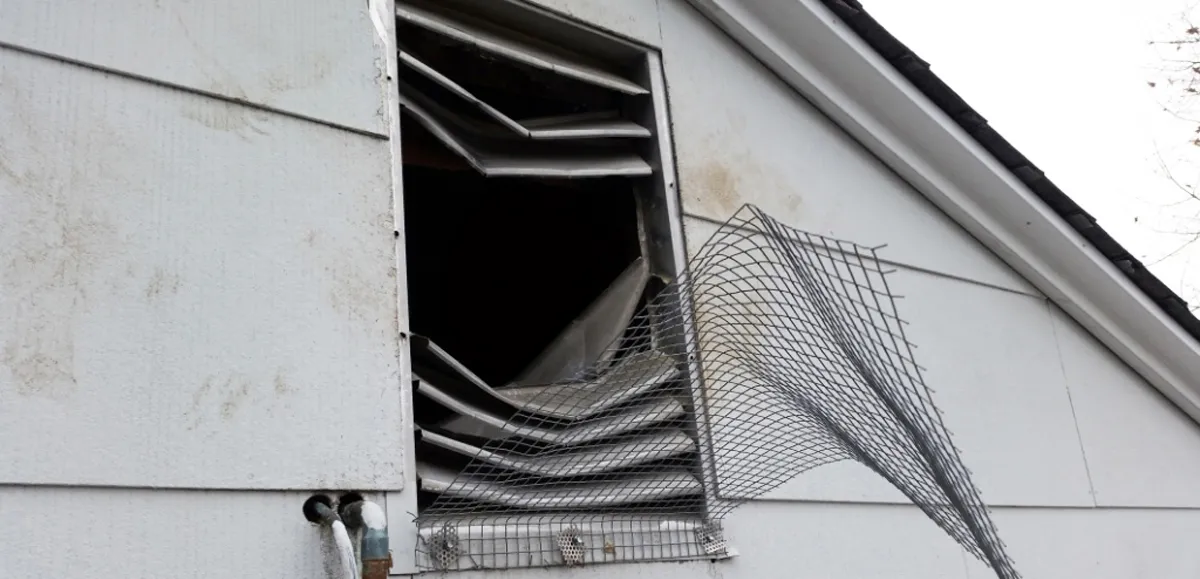
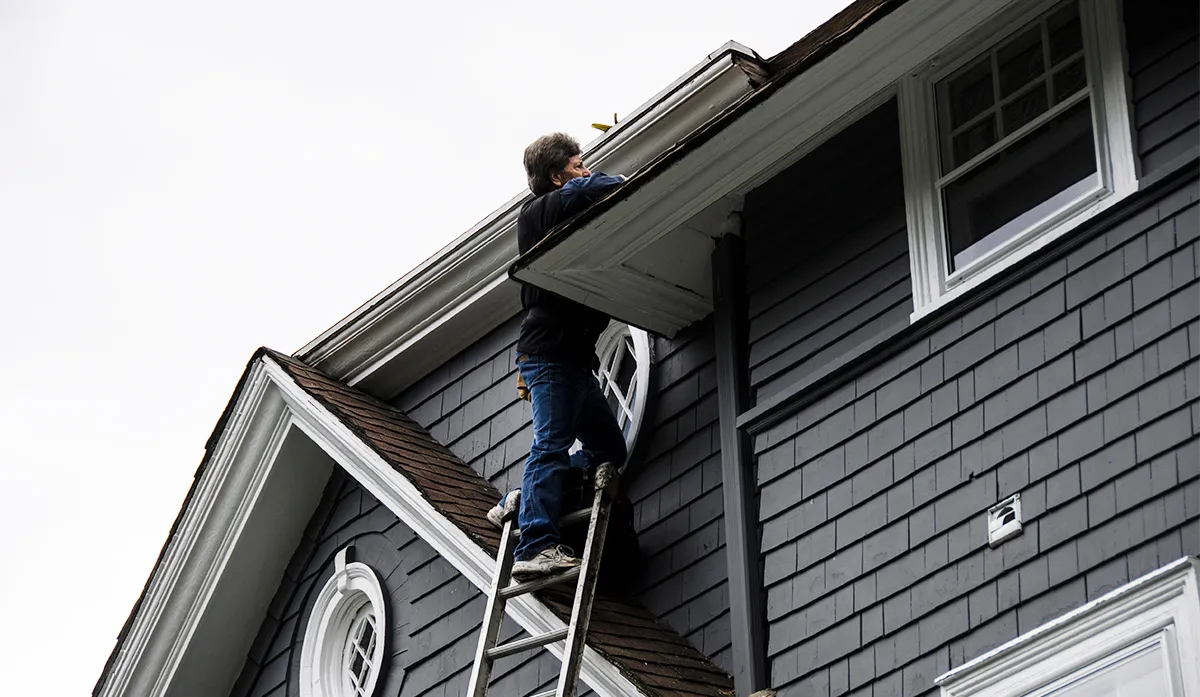
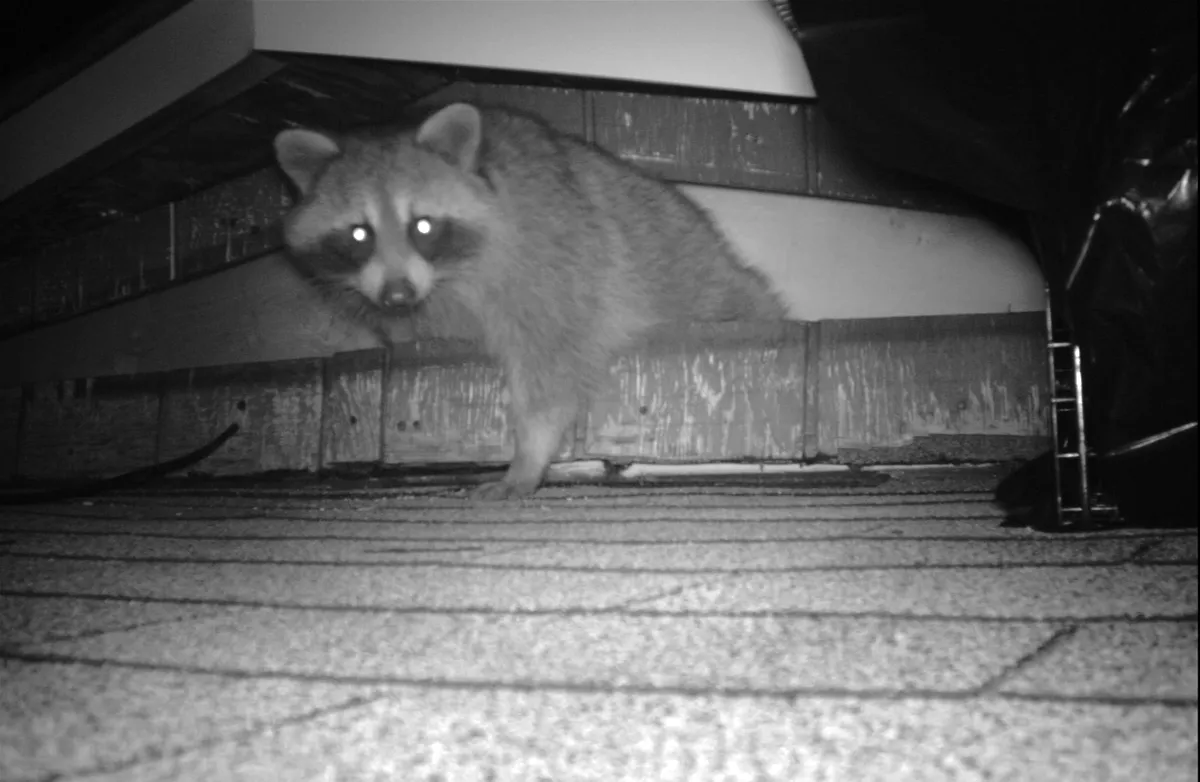
Raccoon On The Roof
Baby Raccoon Rescue
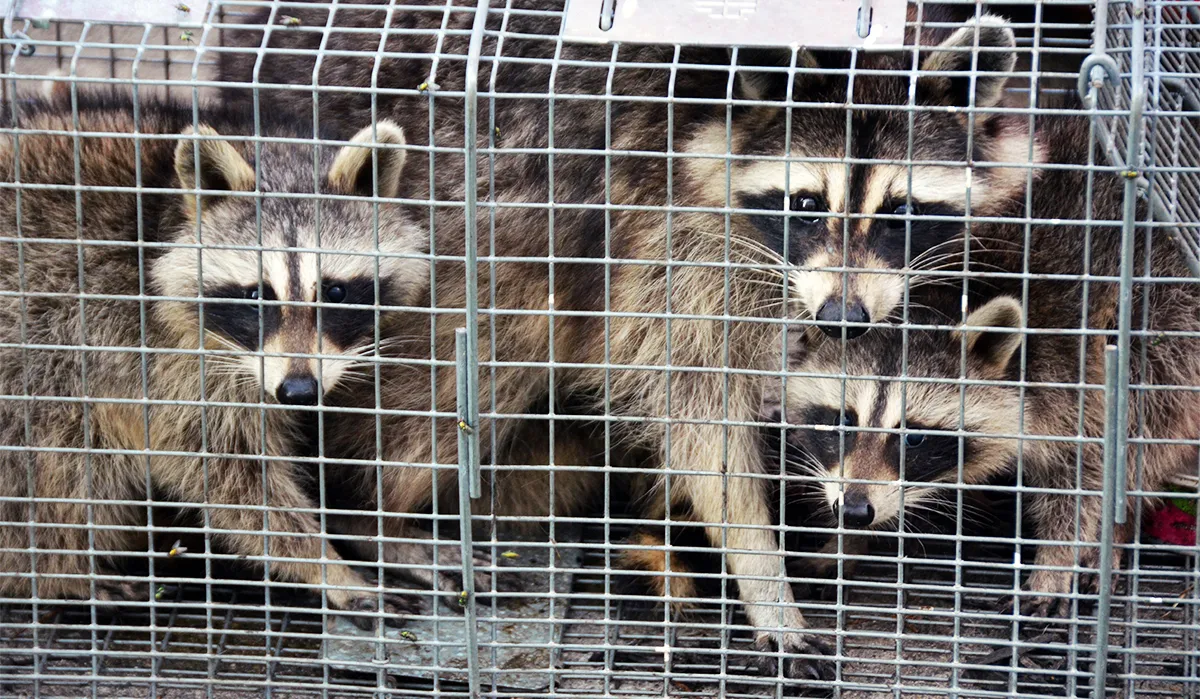
Humane Raccoon Trapping
Case Study: Westchester County
A Scarsdale homeowner heard heavy thumping in the attic at 3am. We arrived the next morning and found a mother raccoon with four babies nesting in the blown-in insulation. The mother had torn through the aluminum soffit to get in. We trapped the mother, hand-extracted the babies, sealed all entry points with 16-gauge galvanized steel, and afterward removed 2100 square feet of contaminated insulation. Their homeowner's insurance policy covered the full decontamination.
Know Your Raccoons
Biology & Behavior
The Common Raccoon (Procyon lotor) is a highly intelligent, dexterous animal with remarkable grip strength. They can open latches, turn doorknobs, and pry apart building materials that would stop most other wildlife. An adult weighs 15 to 40 pounds.
Raccoons are nocturnal. Homeowners typically hear them moving around in attics between dusk and dawn. However, during baby season, mother raccoons can be seen foraging for food both day and night to keep their calories up sufficiently for nursing.
Heavy thumping, scratching, and vocal chittering are the telltale signs. They use the same entry point repeatedly, so staining and grease marks around holes in the roofline are a dead giveaway.
Maternity season runs March through June. Females seek warm, enclosed spaces to give birth. Attics are ideal. A typical litter is three to five kits. The kits are immobile for the first eight weeks, which is why hand-extraction is the only option during this period.
Common Health Risks
Rabies, Roundworm & Structural Damage
Rabies. Raccoons are a primary rabies vector in New York, New Jersey, and Connecticut. Rabies is always fatal if untreated. Never approach or attempt to handle a raccoon yourself. Any raccoon active during daylight, appearing disoriented, or showing no fear of humans should be treated as potentially rabid.
Not every raccoon seen during daytime hours is rabid. Some healthy female raccoons will forage during the day to maintain their calories for nursing. Displaced raccoons who have been relocated or kicked out of homes may also be seen during the day. However, it is still important to ALWAYS keep your distance. Rabies can sometimes manifest in a form that makes animals appear to be overly friendly.
Raccoon roundworm (Baylisascaris procyonis). This parasite is present in raccoon feces and poses a serious health risk to humans, especially children. The eggs can persist for long periods, and accidental ingestion can lead to severe damage to the brain, eyes, or other organs, including blindness, paralysis, or death. This is why professional decontamination of raccoon latrines is not optional. Do not attempt to clean raccoon feces yourself.
Structural Damage. Structurally, raccoons cause more damage per incident than almost any other nuisance animal. They tear insulation off ductwork, chew through wiring, crush soffit panels, and create water entry points that lead to mold and rot. The damage from a single raccoon family in an attic for one season can be enormous.
Seasonal Patterns
Maternity Season: March Through June
The busiest period for raccoon calls is March through June. Females break into attics to give birth in a warm, protected space. By the time most homeowners notice the noise, the babies are already born. Trapping the mother without having a plan for removing the babies is a serious mistake that most pest control companies make. Even worse is companies who use eviction devices to kick the mothers out while leaving the babies in the walls. These mothers will rip a hole through a roof if necessary to get back to their young.
We check every job for babies before setting a single trap. If kits are present, we make a plan to extract them by hand so they can be united with their mother. The entire family is relocated together. This is the humane, effective approach, and it is what separates a wildlife professional from an exterminator.
After the Raccoons Are Gone
Feces Cleanup & Attic Decontamination
Raccoons designate communal latrines. In an attic, this means a concentrated pile of feces that grows over weeks or months. Raccoon roundworm eggs in these droppings can remain viable in soil for years and become infectious within 2 to 4 weeks.
Professional decontamination involves sealing off the space, removing all contaminated insulation in sealed bags, HEPA-vacuuming the entire area, applying antimicrobial treatments, and re-insulating. Our technicians wear full hazmat-grade protective equipment.
Raccoon damage and decontamination may be covered by your homeowners insurance depending on your policy. We document the damage, provide detailed reports, and work with your adjuster. Learn more about our attic decontamination service.
"Raccoons tore a hole through our soffit and had babies in the attic. Kris came out, trapped the mother, and removed the babies by hand. He sealed everything up with metal. Haven't had a problem since."
Mark D.
Scarsdale, NY · Westchester County
"Two other companies told us to just set traps. TriState was the only one who asked if babies were involved. They were. Four of them. Professional, humane, and thorough."
Sarah T.
Mahwah, NJ · Bergen County
"Raccoon got into our chimney. Kris had it out within hours. Installed a chimney cap and sealed the flashing the same day. Highly recommend."
David R.
Weston, CT · Fairfield County
"I had raccoons make a den in my attic. They destroyed my insulation and there was feces and urine all over. They did the clean up and repair for a reasonable price, 4k less than what another company quoted me."
Argenis S.
Sloatsburg, NY · Rockland County
Common Questions
Raccoon Removal FAQ
We provide a free on-site inspection before quoting any work. Pricing depends on the number of raccoons, whether babies are involved, the extent of damage, and the scope of exclusion needed. We give upfront written estimates with no hidden fees.
To get rid of raccoons in your attic safely and legally, hire a licensed wildlife professional. Raccoons are a primary rabies vector, and their feces can carry roundworm eggs that persist for long periods and cause severe damage to the brain, eyes, or other organs if accidentally ingested. They also frequently have kits in the attic during baby season, which complicates removal. We inspect for hazards and litters, trap and relocate the family together, decontaminate the space, then seal every entry point with chew-resistant materials backed by a written guarantee.
We extract babies by hand when we trap the mother. This ensures the entire family is removed together. Never hire a company that sets traps without checking for babies during baby season. Orphaned kits will die in the attic or walls, creating a far worse problem.
We strongly advise against it. Raccoons are a primary rabies vector, and their feces contain raccoon roundworm. They are also powerful animals that will defend themselves and their young. Not only is it dangerous, but in many states, trapping and relocating raccoons without a license is against the law.
Raccoon damage and decontamination may be covered depending on your policy. We document everything, provide detailed reports with photos, and work directly with your insurance adjuster to maximize your coverage.
After removal, we seal every entry point with professional-grade materials that raccoons cannot tear through. We also address vulnerable areas like soffits, vents, and chimney caps. All exclusion work is backed by a written guarantee.
Yes. Raccoon droppings commonly contain Baylisascaris procyonis (raccoon roundworm), which can cause severe neurological damage in humans. The eggs become infectious within weeks and can remain viable for years in some conditions. Never disturb raccoon feces without professional-grade protective equipment.
Raccoon poop is dark, tubular, and 2 to 4 inches long, often containing visible seeds, berries, or undigested food. It looks similar to small dog feces. Unlike most wildlife, raccoons designate communal latrines, so you will typically find large amounts grouped together in one area, such as the base of a tree, the corner of an attic, or along a fence line.
Yes. Chimneys without caps are one of the most common raccoon entry points. We remove the raccoon, clean the flue if needed, and install a heavy-duty stainless steel chimney cap to prevent re-entry.