How We Work
Our Decontamination Process
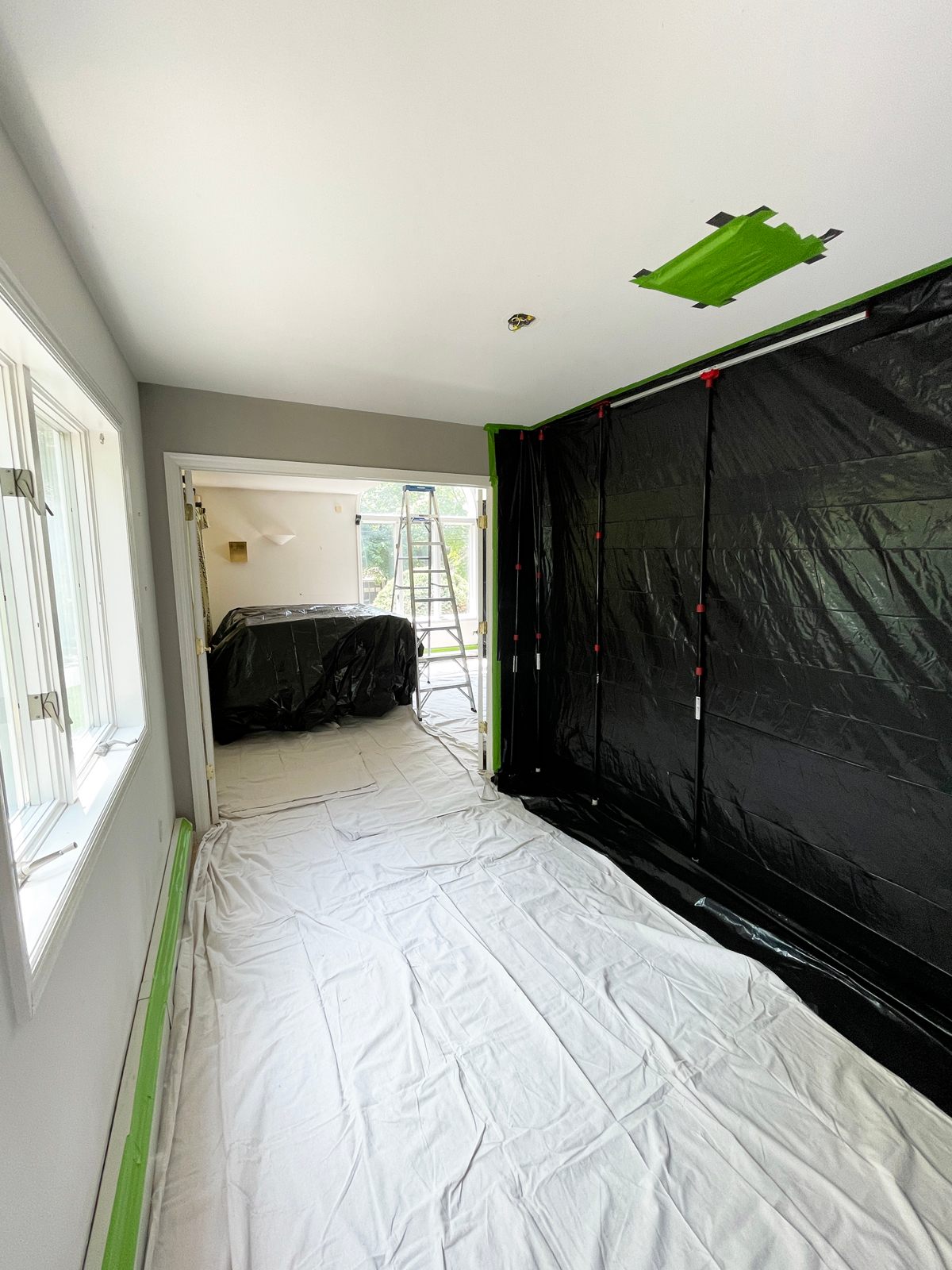
Step 1: Containment. We seal off the attic from the rest of the house using a containment barrier and negative air pressure to prevent cross-contamination. Spores, dust, and particles stay in the work zone. Any rooms that we must travel through are cleared and protected before any work begins.
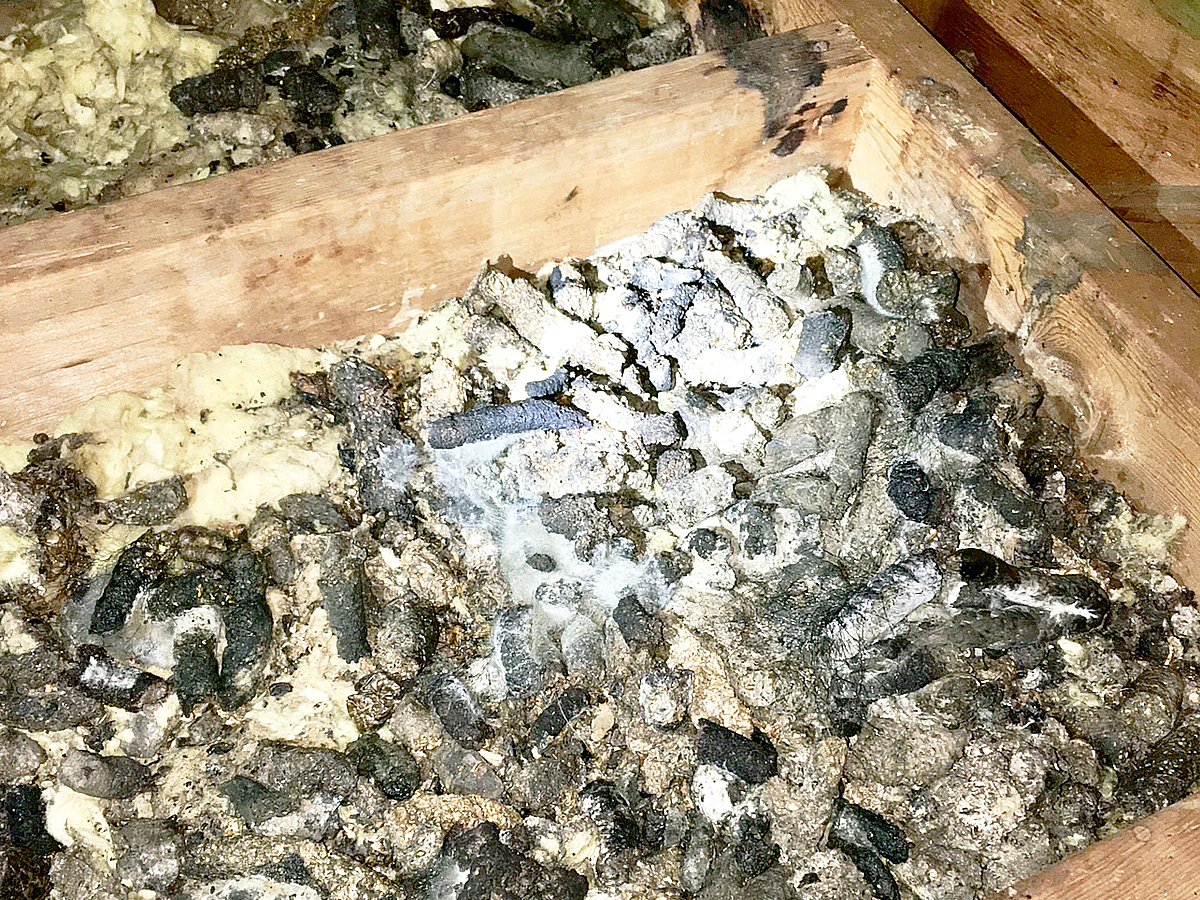
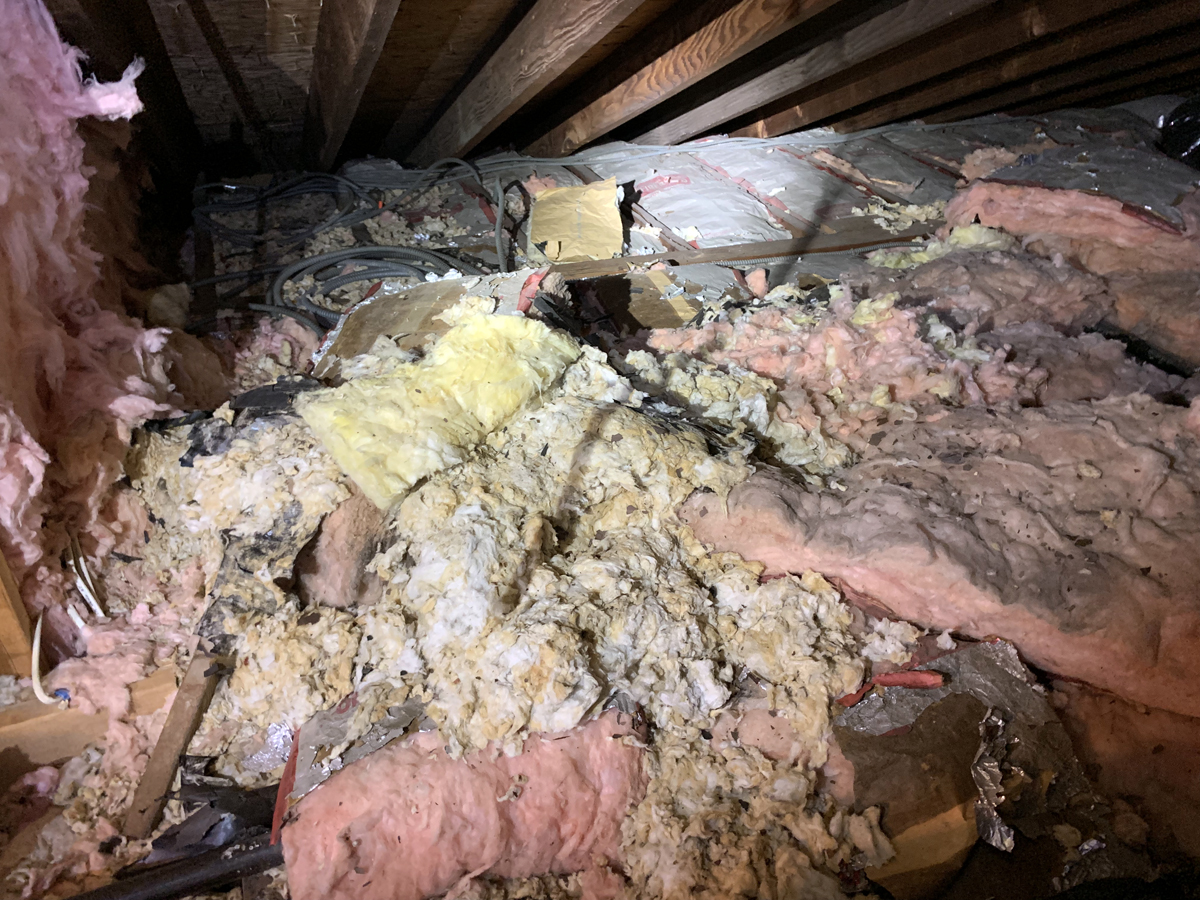
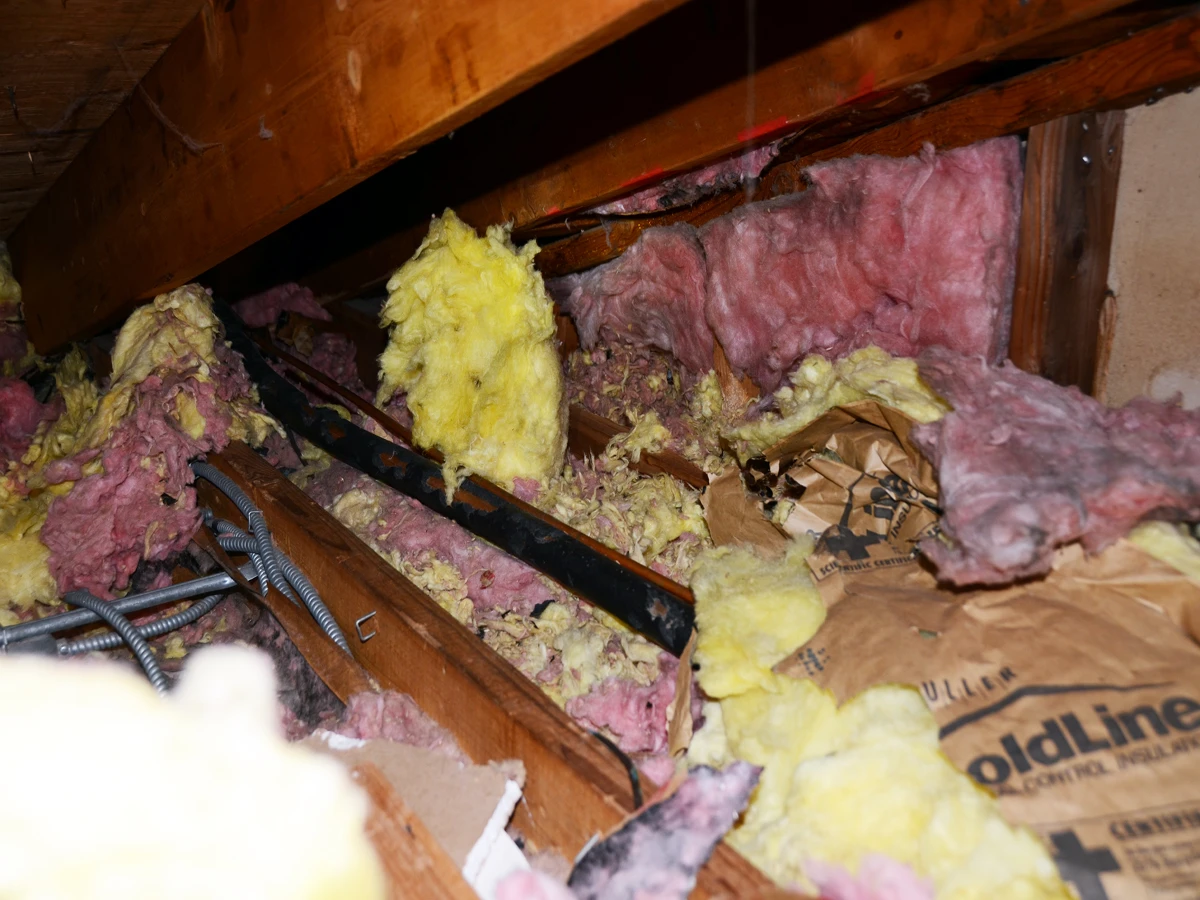
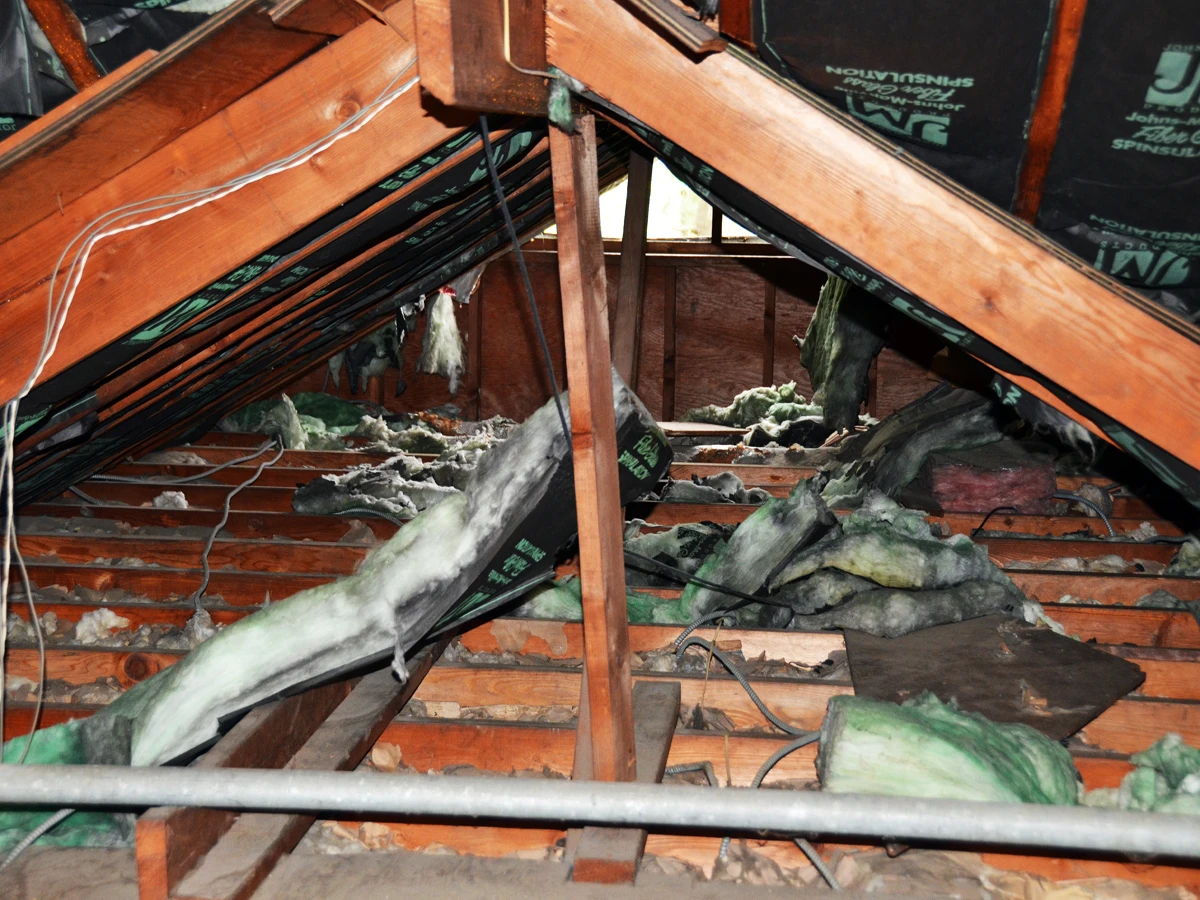
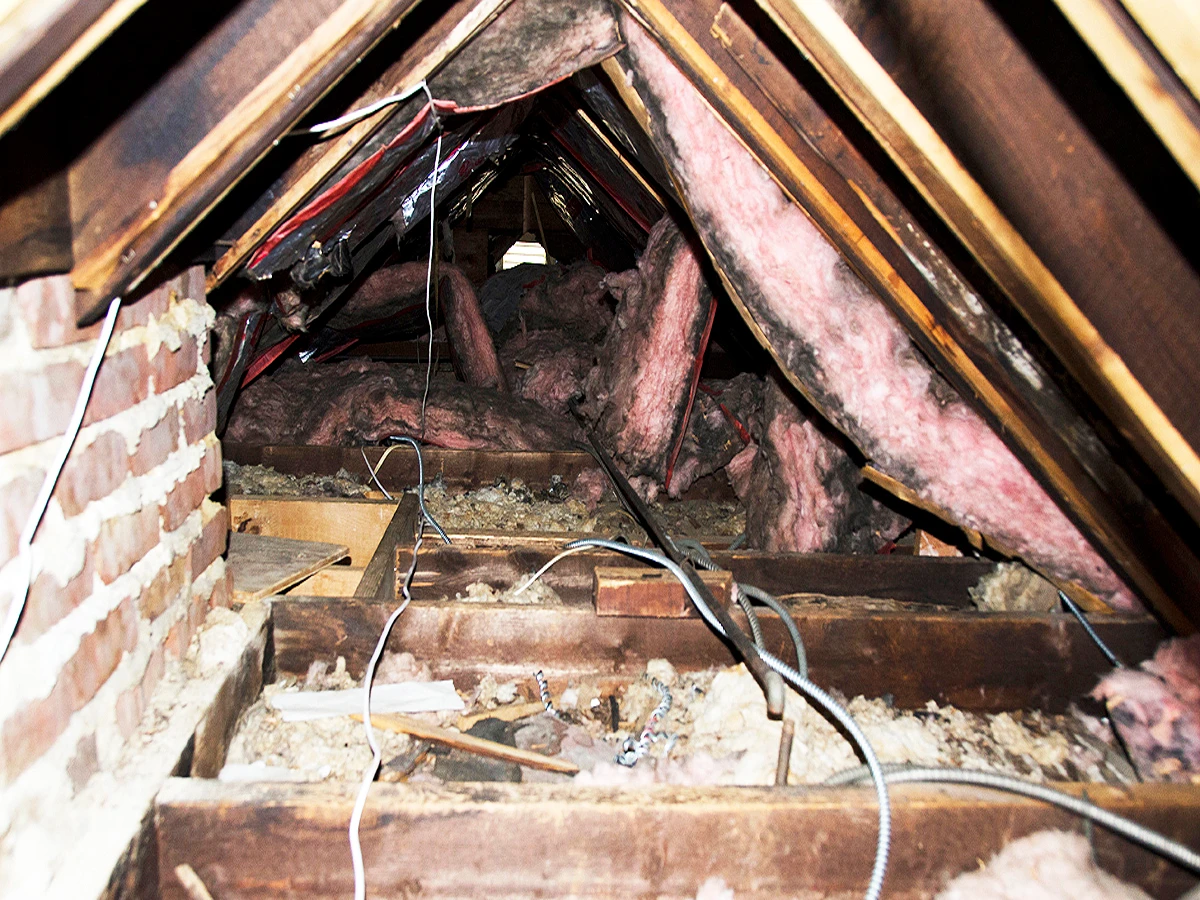
Step 2: Removal. Trained technicians wearing hazmat-grade protective equipment first spray down insulation to minimize dust. Next every piece of contaminated insulation is bagged and removed. Material is double-bagged and disposed of at a licensed facility. In some cases, drywall and plaster must be removed if the contaminated areas are inaccessible from the attic, or if they are too contaminated to be salvaged.
Step 3: HEPA Vacuuming. The entire attic space is vacuumed with commercial HEPA-vac equipment that captures particles down to 0.3 microns. This removes residual droppings, dust, and spore-laden material.
Step 4: Antimicrobial Treatment. We apply a professional-grade antimicrobial agent to all surfaces. This kills bacteria, fungal spores, and neutralizes odor at the molecular level. We also use sealants to encapsulate any areas where heavy staining has occurred.
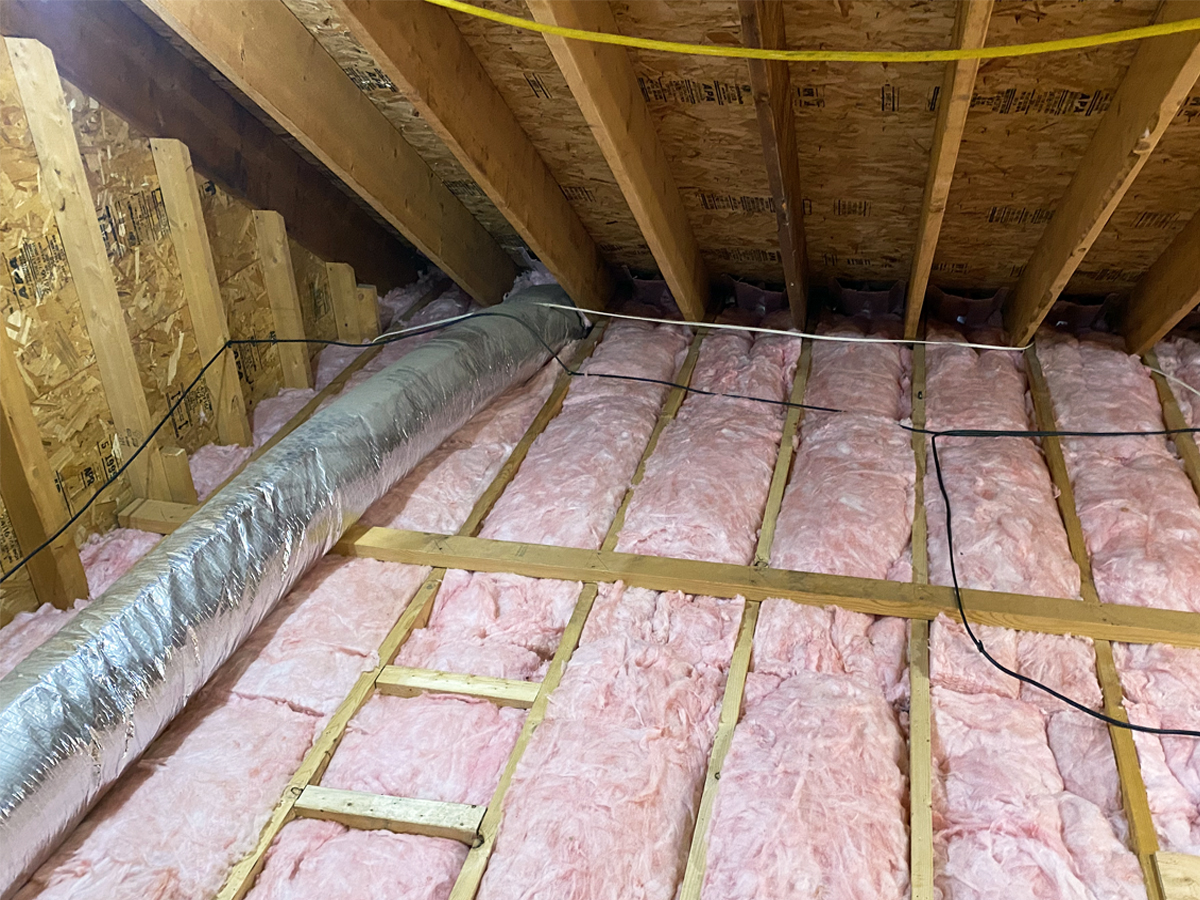
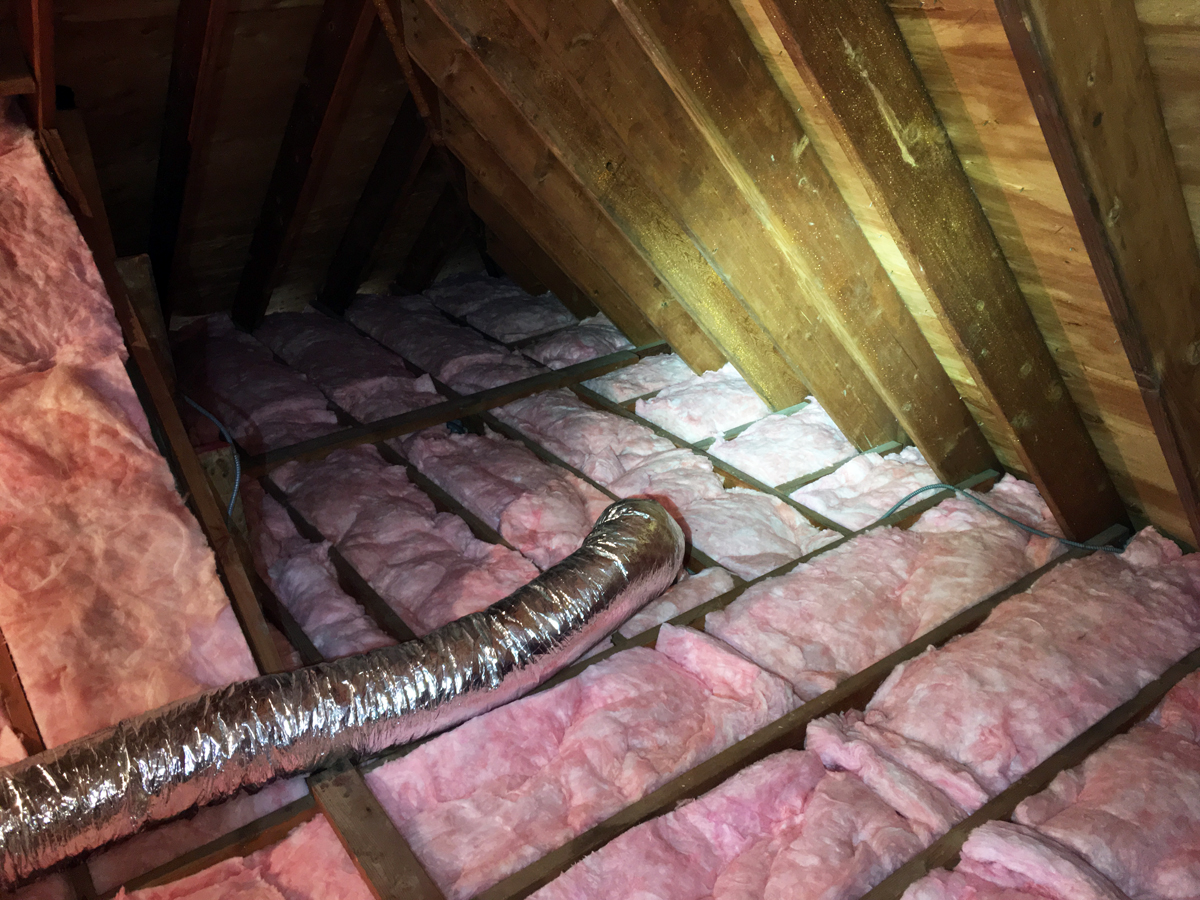
Step 5: Re-insulation. Once the space is certified clean, we install fresh insulation to the appropriate R-value for your climate zone. Your attic is restored to pre-damage condition or better.
Step 6: Rebuild. Any drywall or plaster that has been removed will be rebuilt and painted in any rooms where removal was necessary, leaving the entire space fully restored.
Insurance
Insurance Claim Assistance
Attic decontamination and restoration from bat and raccoon damage may be covered by homeowners insurance. Bats and raccoons are mammals, not pests, and the damage they cause is typically covered under the same provisions as other animal damage, unless the insurance company has excluded them by name.
We document the damage with detailed reports and photos, prepare the claim documentation, and work directly with your insurance adjuster. In many cases, our clients pay nothing out of pocket for the decontamination.
When Is This Needed
Common Decontamination Scenarios
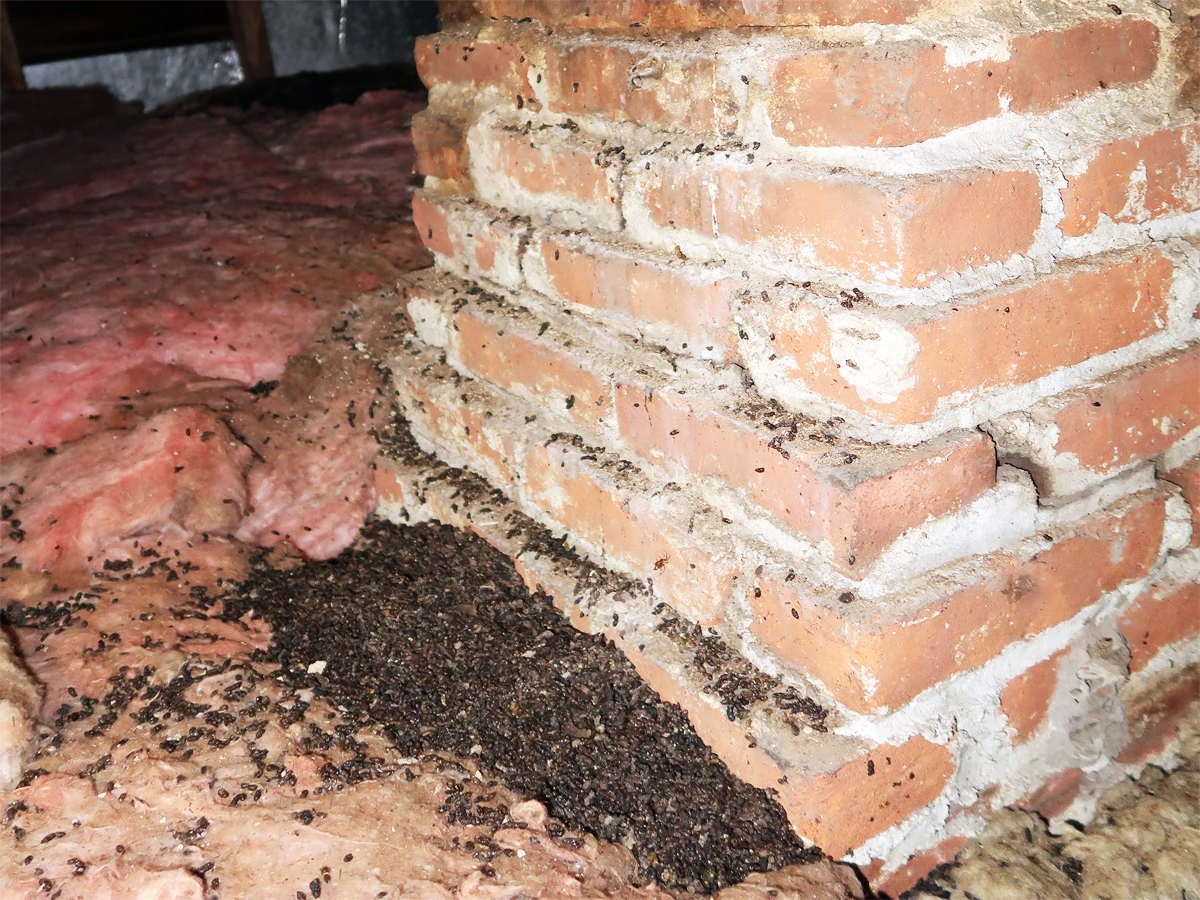
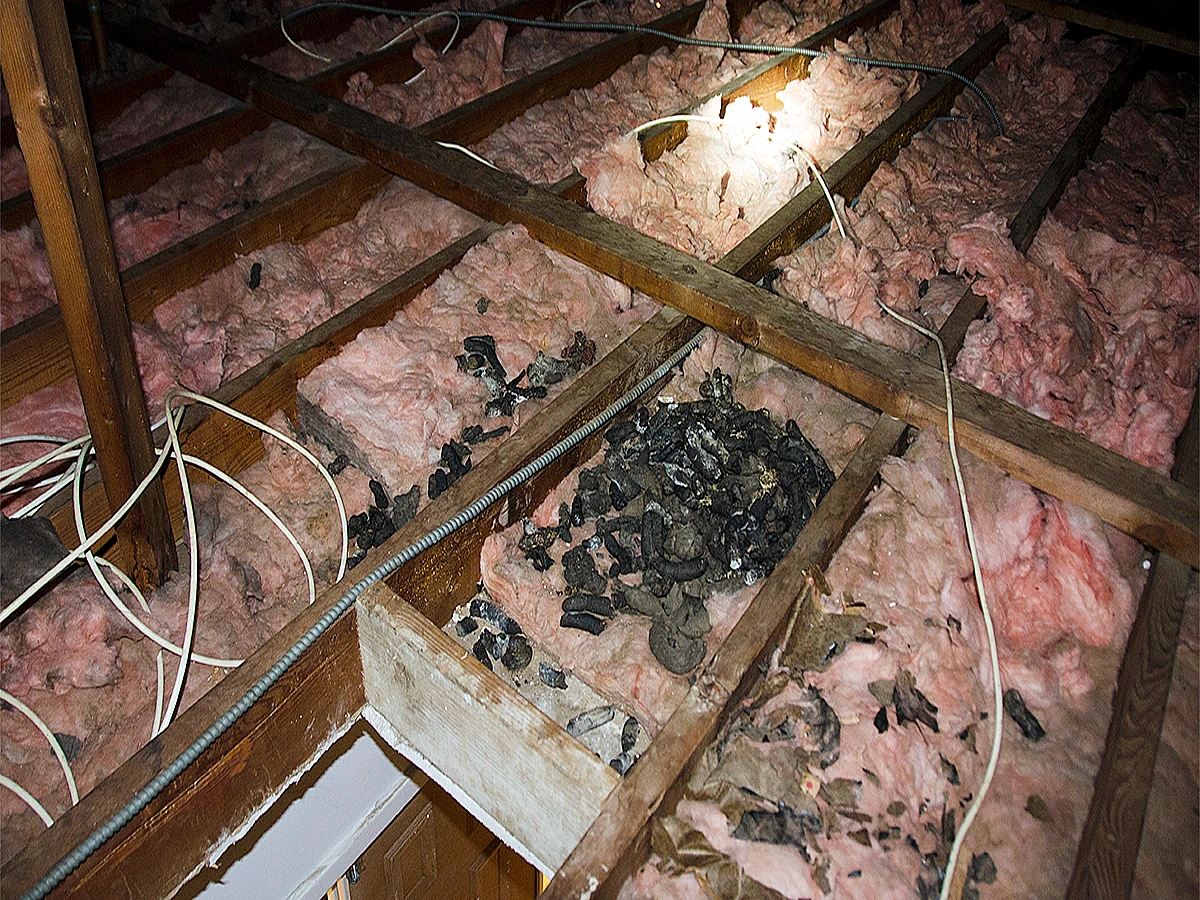
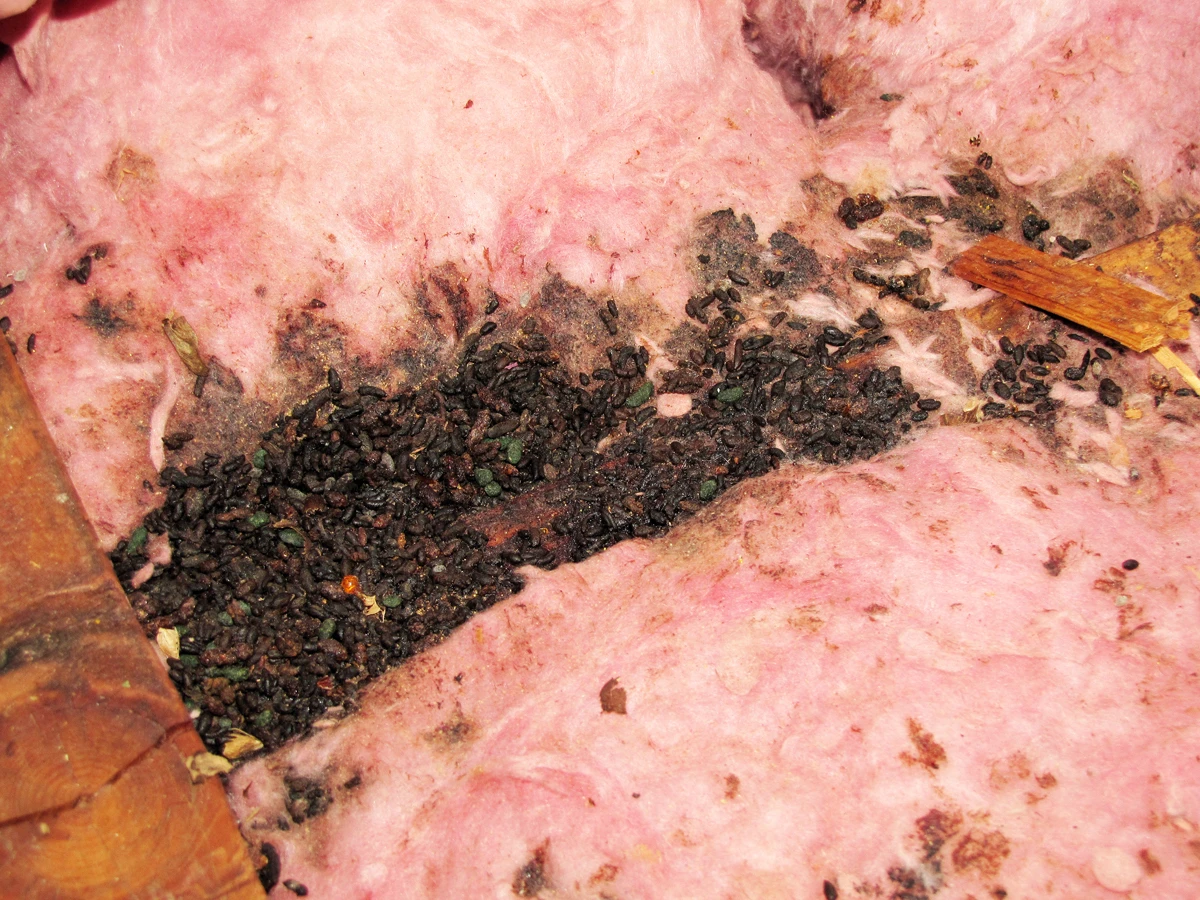
Bat colonies. Bat guano accumulates over months or years. This guano can grow Histoplasma capsulatum, the fungus that causes histoplasmosis when spores are inhaled. Bat urine can soak and stain insulation and drywall, cause foul odors, reduce R-value, and even crack walls. They can also bring bat bugs into the house.
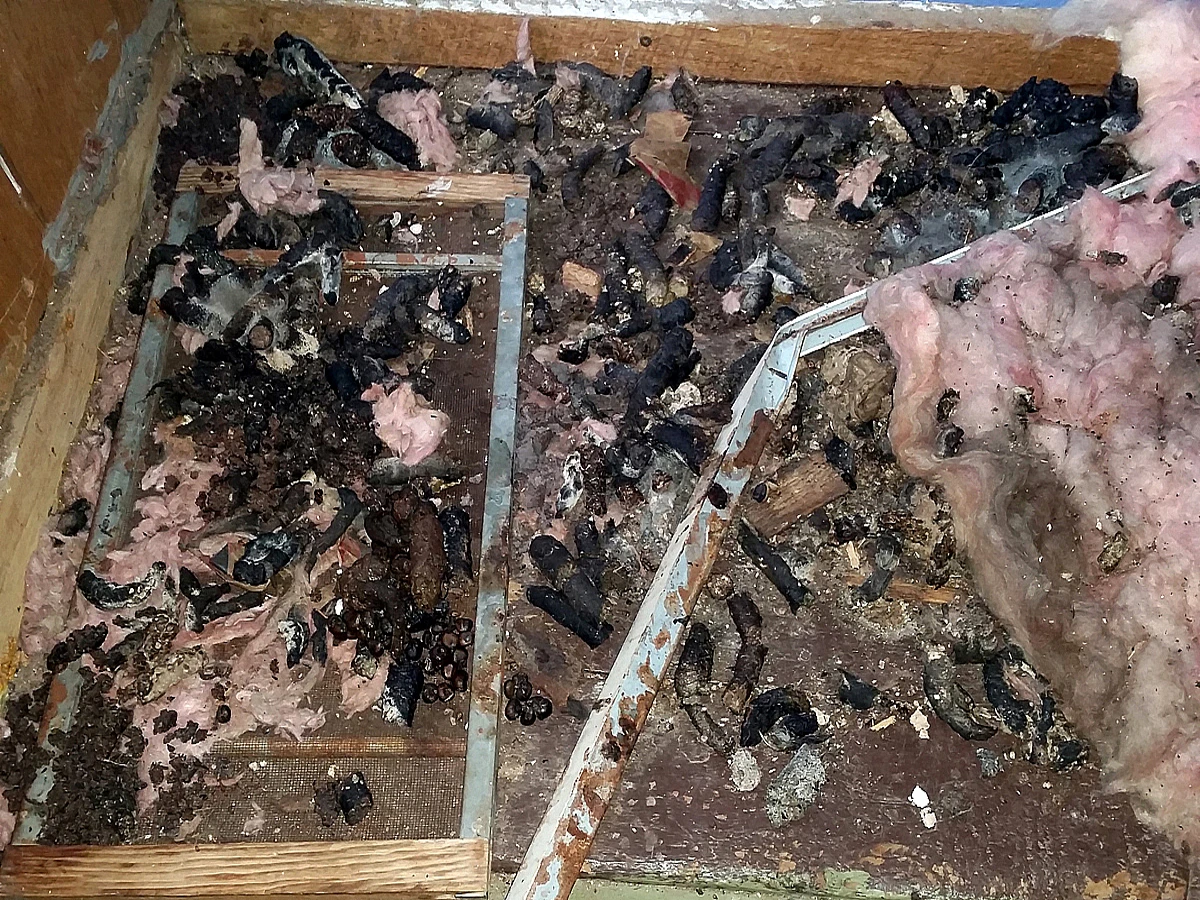
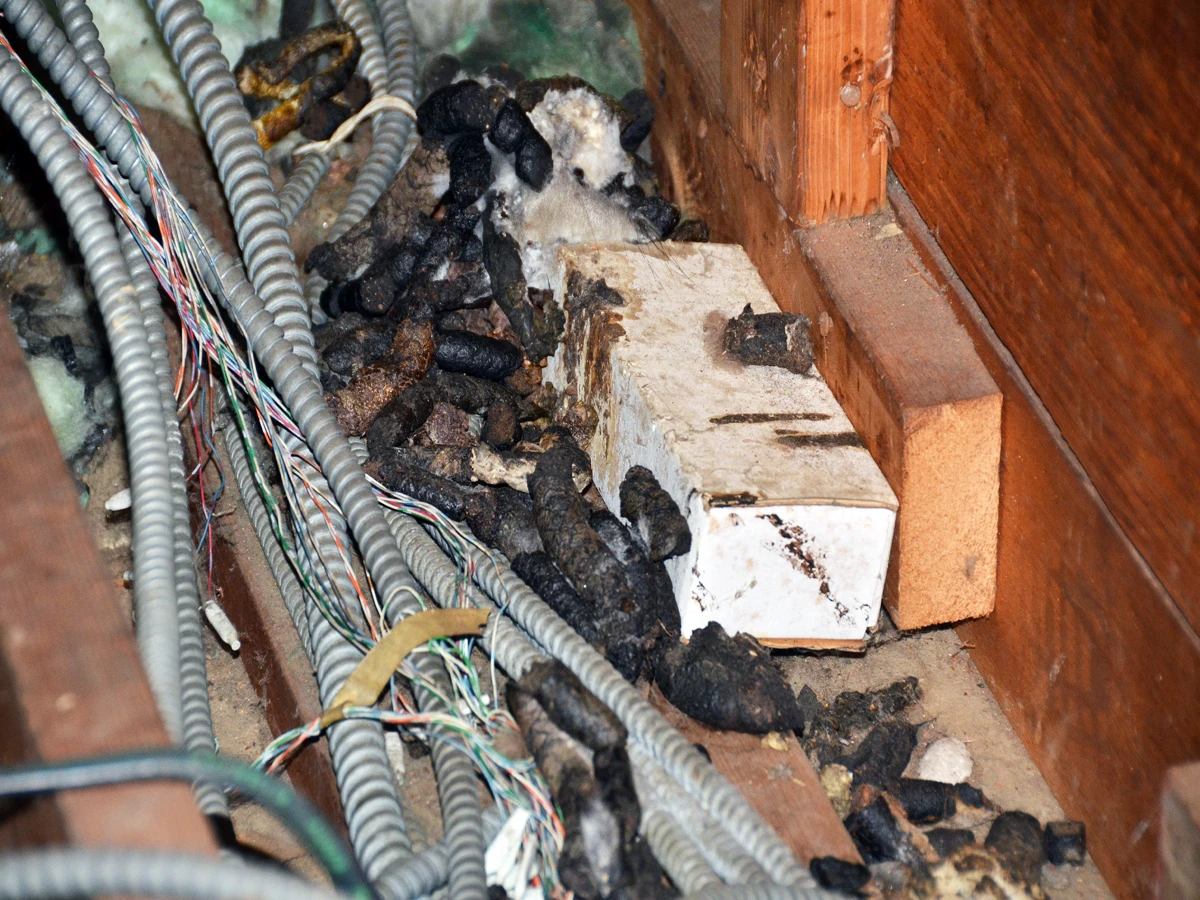
Raccoon latrines. Raccoons use sections of the attic as a latrine. Their feces can contain Baylisascaris procyonis (raccoon roundworm), which can cause severe neurological damage in humans. Raccoons can also carry fleas. When possible, decontamination should occur only after a lengthy period which allows the eggs to desiccate.
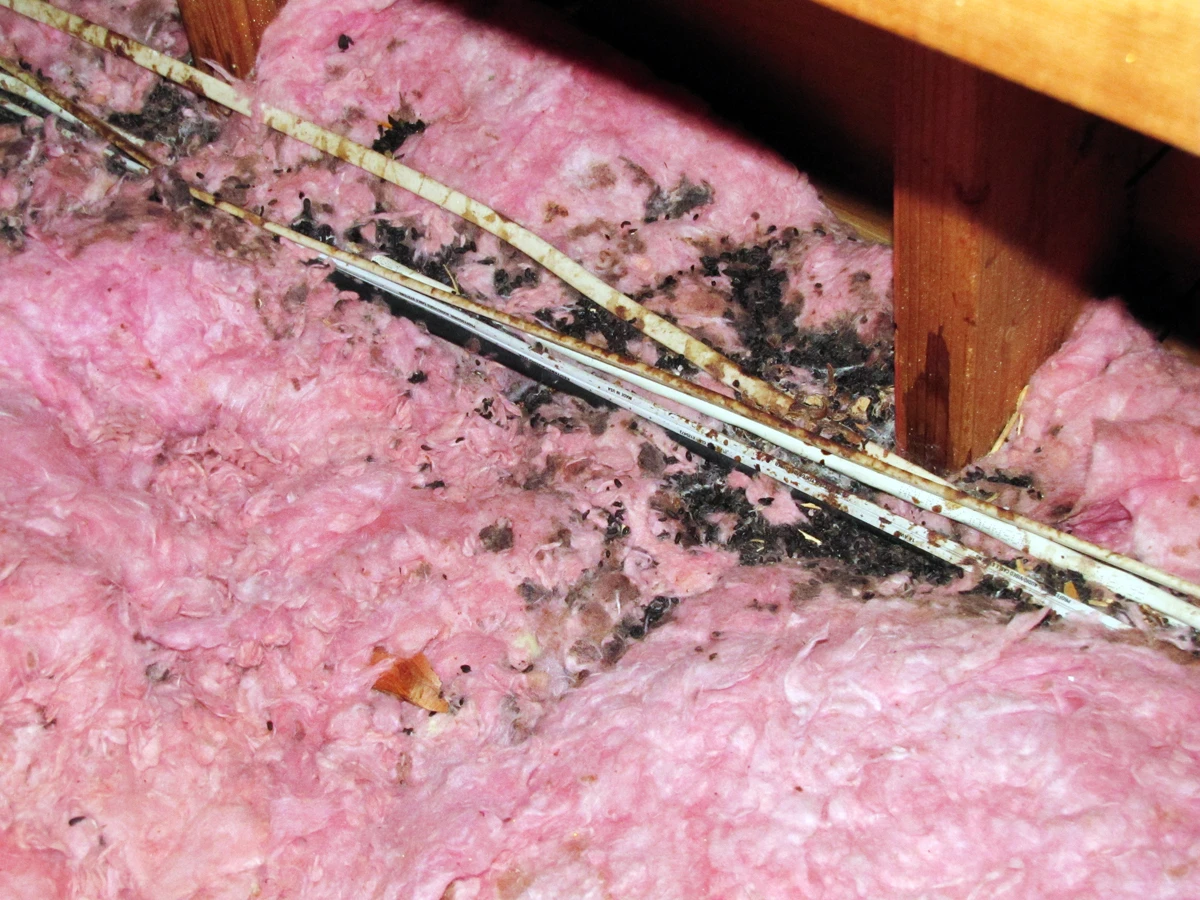
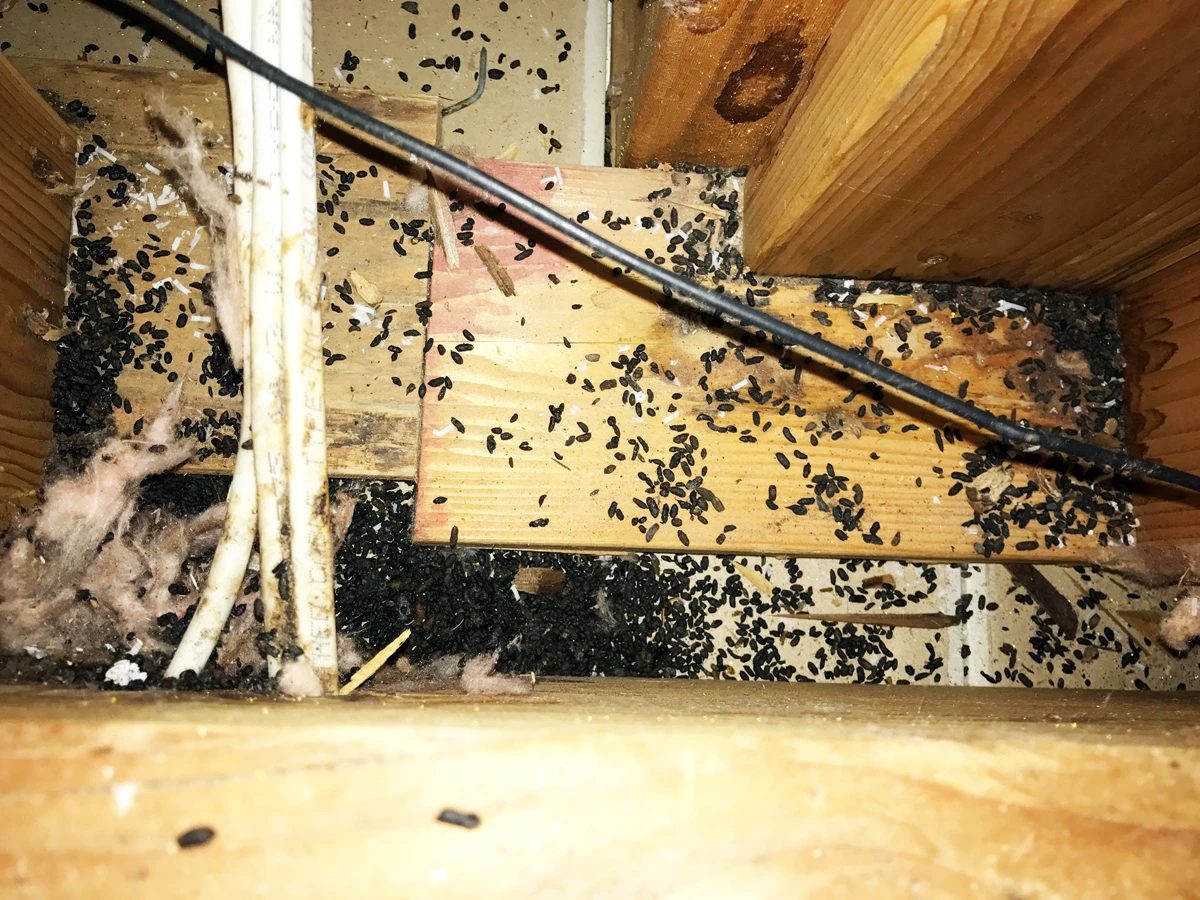
Rodent infestations. Mice and rats contaminate insulation with urine and droppings. Pathogens including Hantavirus, Leptospirosis, Salmonellosis, and Lymphocytic Choriomeningitis can be transmitted from their waste. They can also carry fleas, and their urine proteins are a leading indoor allergen and asthma trigger. Rodents are known to gnaw on electrical wires.
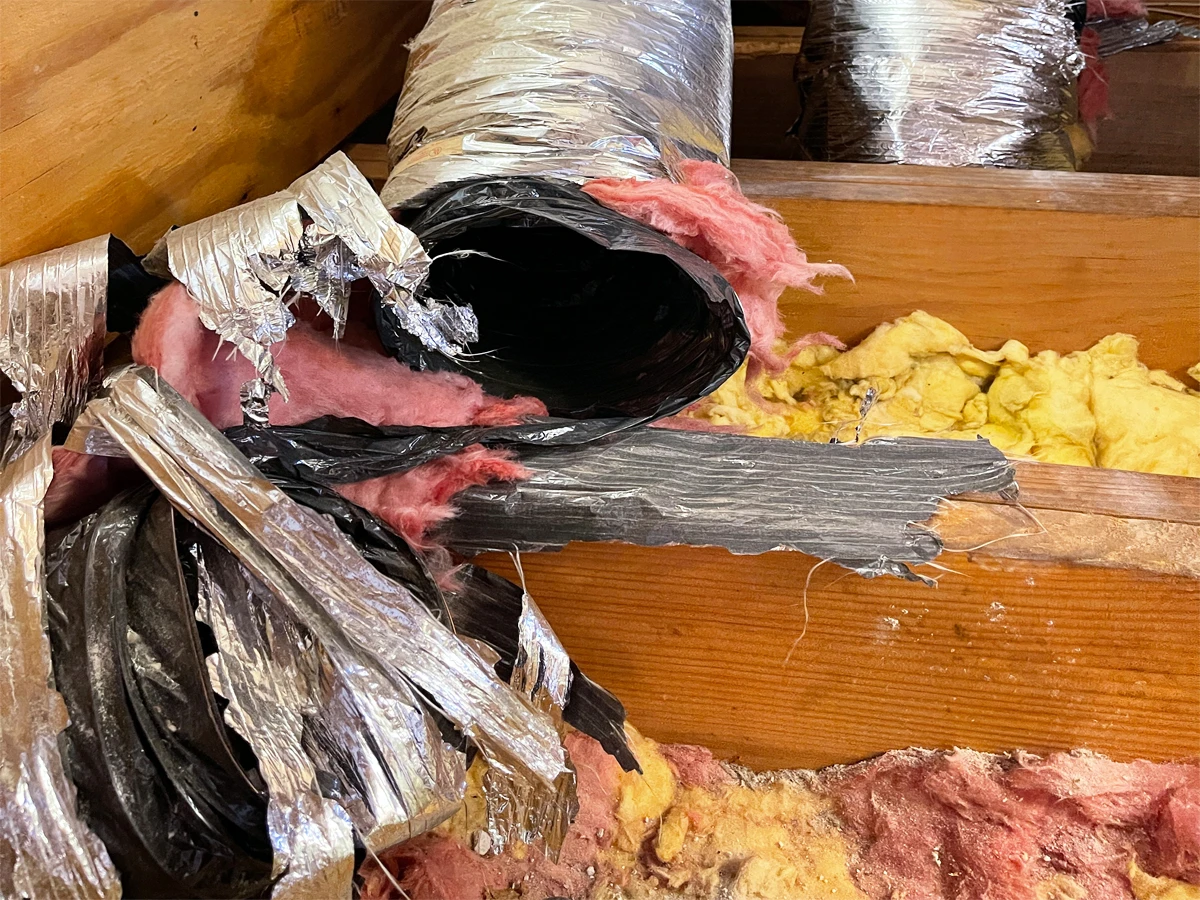
Squirrel damage. Squirrels compress and rip apart insulation, reducing R-value. They urinate and defecate in the attic space, and their waste can carry Leptospirosis and Salmonellosis. They can also carry fleas. They chew wiring, creating potential fire hazards.
Bird nests. Nesting material left in attics, vents, and eaves can harbor mites, parasites, and bacteria. Accumulated droppings can be a source of Histoplasmosis, Cryptococcosis, Psittacosis, Salmonellosis, and Hypersensitivity Pneumonitis / Bird Fancier's Lung.
Repeat Infestations. Contamination also attracts more wildlife. Rodent urine contains pheromones and proteins that signal other animals of the same species to investigate, which is why an unrestored attic frequently draws repeat infestations after the first animals are removed.
Why It Matters
Health Risks of Animal Infestations
There are serious health risks associated with the contaminants left behind during an animal infestation. Many come with severe consequences when even minor contact is made. Any area contaminated with hazardous material should be quarantined until it can be treated and removed by a trained professional with proper protection and equipment. Below are some of the most common risks.
NOTE: Though rabies is most commonly associated with wildlife infestations, the virus does not survive long outside a host. Once the animals are gone, the environmental risk drops dramatically.
Diseases and Health Hazards
Histoplasmosis. An infectious disease caused by inhaling spores of the fungus Histoplasma capsulatum, which thrives in soil and material enriched by bat guano and bird droppings, particularly from pigeons, starlings, and blackbirds. When dry droppings are disturbed, the spores become airborne. Symptoms resemble a flu-like respiratory illness: fever, chest pain, dry cough, headache, loss of appetite, muscle and joint pain, and chills. The disease is most common in the Ohio and Mississippi River Valleys.
Baylisascaris procyonis, Raccoon Roundworm. Found in raccoon feces. An infected raccoon can shed millions of roundworm eggs per day, and those eggs become infectious within two to four weeks. Once accidentally ingested, larvae can migrate through the body into the brain, eyes, or spinal cord, a condition called neural larva migrans. Symptoms include behavioral changes, loss of coordination, seizures, and coma. The eggs are extraordinarily hardy, surviving bleach and freezing temperatures, and neurological damage is often irreversible. Young children with hand-to-mouth habits are at the highest risk.
Hantavirus Pulmonary Syndrome. Deer mice and other wild mice are the reservoir for hantavirus in the United States. People are exposed by breathing in contaminated dust after disturbing rodent droppings, urine, or nesting material. Early symptoms include fever and severe muscle aches, rapidly progressing to shortness of breath and fluid in the lungs. Hantavirus carries a fatality rate of roughly 38%, making it one of the most dangerous rodent-borne diseases in North America.
Leptospirosis. Caused by bacteria shed in the urine of infected rats, mice, and squirrels. The bacteria enter through broken skin or the mucous membranes of the eyes, nose, or mouth, often through contact with contaminated water or soil. Symptoms include high fever, chills, muscle aches, headache, vomiting, diarrhea, jaundice, and red eyes. Severe cases can progress to kidney failure, liver failure, and pulmonary hemorrhage.
Lymphocytic Choriomeningitis, LCMV. An estimated 5 to 10% of house mice in the U.S. carry this virus. Transmission occurs through inhaled aerosols from droppings, urine, or nesting material, a common attic exposure scenario. Most infections are mild or flu-like, but LCMV can cause meningitis and encephalitis. It is especially dangerous for pregnant women: congenital infection can result in severe birth defects including hydrocephalus and vision loss.
Salmonellosis. Transmitted to humans through food, water, or surfaces contaminated with animal feces. Rodent, squirrel, and bird droppings in an attic can contaminate stored items and insulation. Infection typically causes acute gastroenteritis with nausea, vomiting, diarrhea, and fever, and can progress to bloodstream infection in infants, the elderly, and immunocompromised individuals.
Psittacosis. Pigeons and other wild birds nesting in attics shed the bacterium Chlamydia psittaci in their droppings and respiratory secretions. Humans inhale dried, contaminated dust. The result is an atypical pneumonia with fever, chills, dry cough, and headache, appearing 5 to 14 days after exposure.
Cryptococcosis. The fungus Cryptococcus neoformans grows in soil enriched by pigeon droppings. Inhaled spores can cause lung disease and, in immunocompromised individuals, life-threatening meningitis. Anyone cleaning a heavily soiled attic pigeon roost is at risk.
Hypersensitivity Pneumonitis, Bird Fancier's Lung. Chronic inhalation of proteins from bird droppings, feathers, and dander can trigger an immune-mediated lung disease. Repeated exposure, the kind that comes from birds nesting in an attic over months or years, can cause irreversible pulmonary fibrosis.
Rodent Allergens and Asthma. Mouse and rat urine proteins are among the most common indoor allergens in U.S. homes and are a validated trigger for asthma development and exacerbation, particularly in children. Attic infestations allow allergens to circulate through ductwork and wall cavities into living spaces.
Ectoparasites: The Problem After Removal
When animals are excluded from an attic, the blood-feeding parasites they leave behind, including fleas, mites, bat bugs, and lice, will migrate into living spaces seeking new hosts. Bat bugs cause bed-bug-like bites. Bird mites from abandoned nests cause intensely itchy skin reactions and can survive months without a blood meal. Rat fleas and tropical rat mites will bite humans once their rodent hosts are gone, and in rare cases those flea bites can transmit plague and murine typhus. Proper attic restoration addresses these parasites along with contaminated insulation and waste.
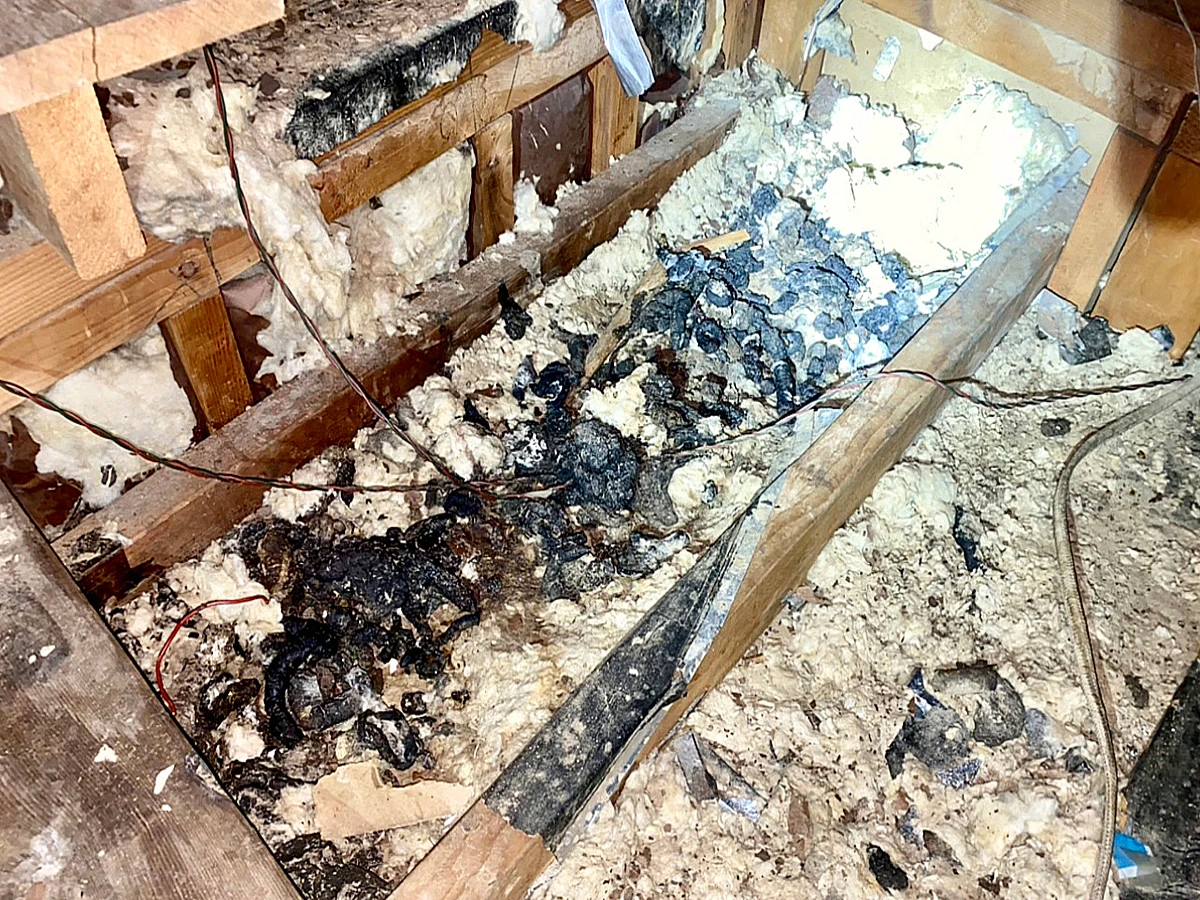
Dead Animal Carcasses
When an animal dies inside your home, often from ingesting rodent poison, the carcass produces severe odors and becomes a breeding ground for flies and other disease vectors. Dead animal removal typically means locating the carcass by odor within a wall, ceiling, soffit, or other enclosed area and carefully extracting it.
An Often Overlooked Risk
Fire Risk. Beyond disease, fire is one of the biggest dangers of an animal infestation. Nuisance wildlife chew on insulation, support beams, and electrical wiring. According to the U.S. Fire Administration, electrical malfunctions cause roughly 24,000 residential fires and over $1.5 billion in property losses each year in the United States. Animals that gnaw on wiring are a well-documented contributing factor to electrical fires of undetermined origin. Always have electrical wiring inspected by a licensed electrician after an infestation has occurred.
DIY is Dangerous
These health risks are serious. Only trained professionals with proper safety equipment should handle hazardous animal contamination. Keep children and pets away from affected areas until the material has been safely removed.
Additionally, it is recommended that the contaminated areas stay fully quarantined even from adults to minimize the risk of infection, and the chances of tracking contamination through the rest of the home. Make sure that all workers coming to the house for any other projects (duct work repair, electrical work, etc.) are fully aware of the presence of these waste materials so they can safeguard themselves as well as your home if decontamination has not yet been completed.