Most pest control companies use poison for mice and rats. Poison creates secondary problems: dead rodents in walls, accidental poisoning of pets and other wildlife, foul odors, and bacteria from rotting carcasses. TriState Wildlife uses a 100% poison-free approach. We trap, we seal, we monitor. Targeted trapping combined with whole-home rodent-proofing is the only approach that actually solves the problem long-term. All exclusion work is backed by a written guarantee.
"TriState sealed the house in one day. No mice since. I wish I had called them first."
— Laura W., Tenafly, NJ
How We Work
Poison-Free Rodent Control Process
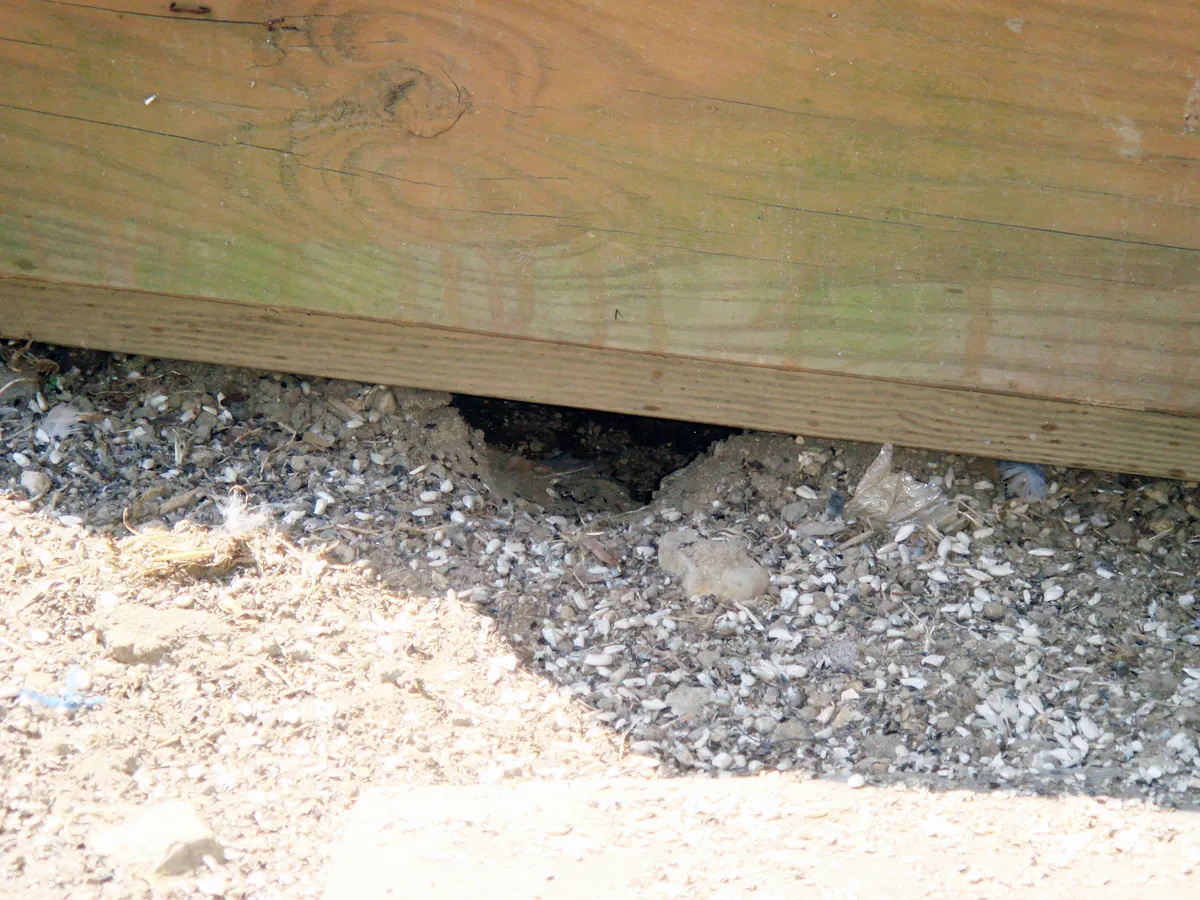
We start with a comprehensive interior and exterior inspection. We identify every entry point, assess the severity of the infestation, determine the species, and map activity patterns. A mouse can enter through a gap the size of a dime. A rat needs only a quarter-sized hole. In many cases these entrances can be below ground and at the roof line.
We place targeted traps in strategic locations based on rodent travel patterns. No poison, no glue boards. Traps are checked and serviced on a regular schedule.
Simultaneously, we begin sealing the structure. Every gap, crack, pipe penetration, and utility entry is sealed with professional-grade materials that are chew proof and designed to last. This is the most important part. Without a complete seal, new rodents rapidly replace the ones you trap.
After the initial infestation is eliminated, we offer ongoing monitoring programs to catch any new activity early. All rodent-proofing is backed by industry-leading guarantees.
Our Rodent Work
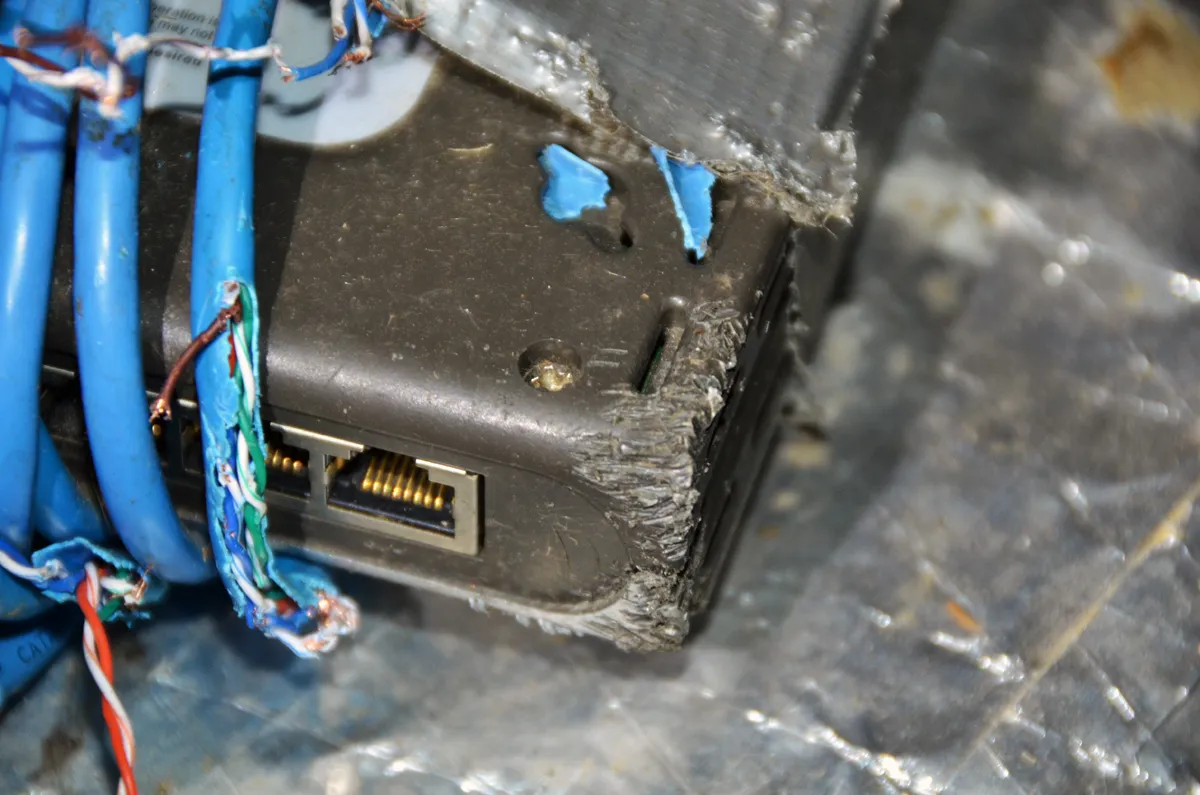
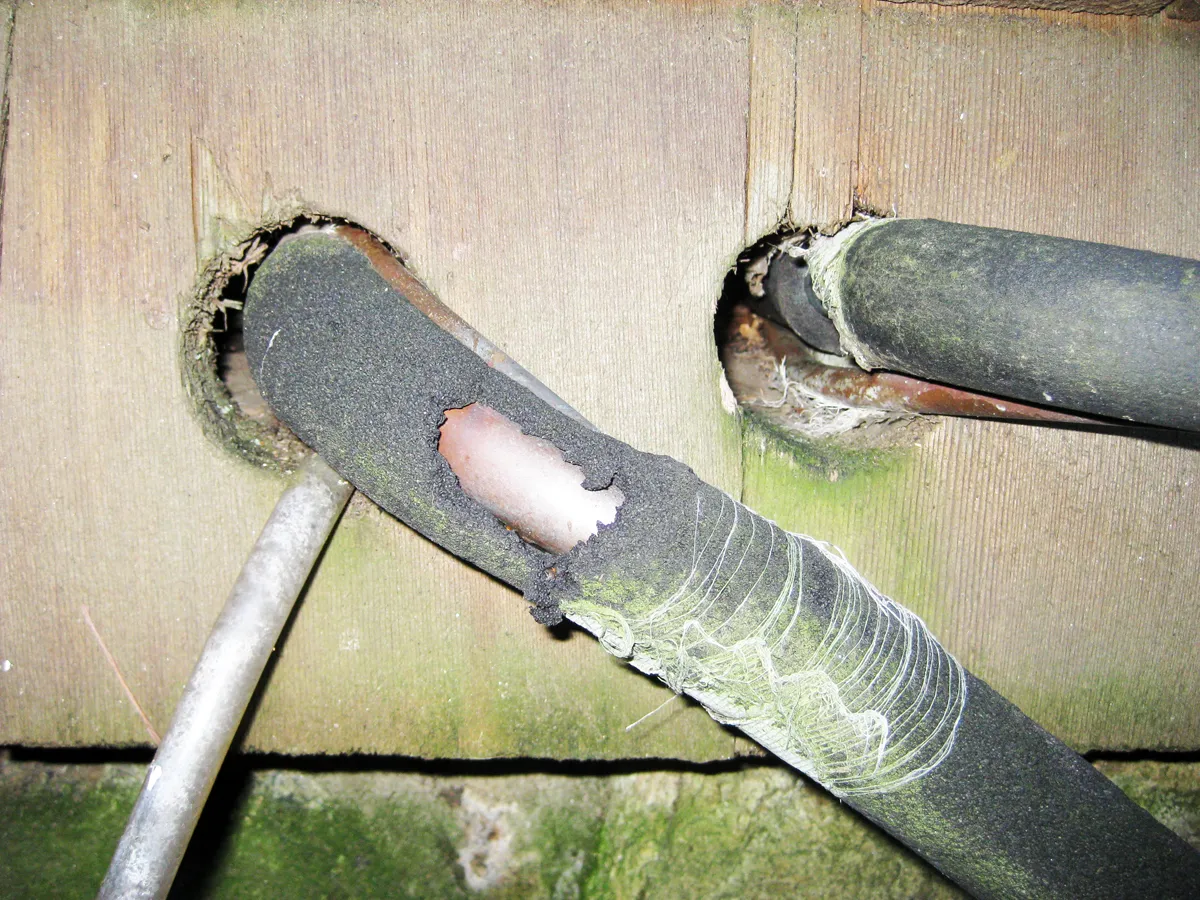
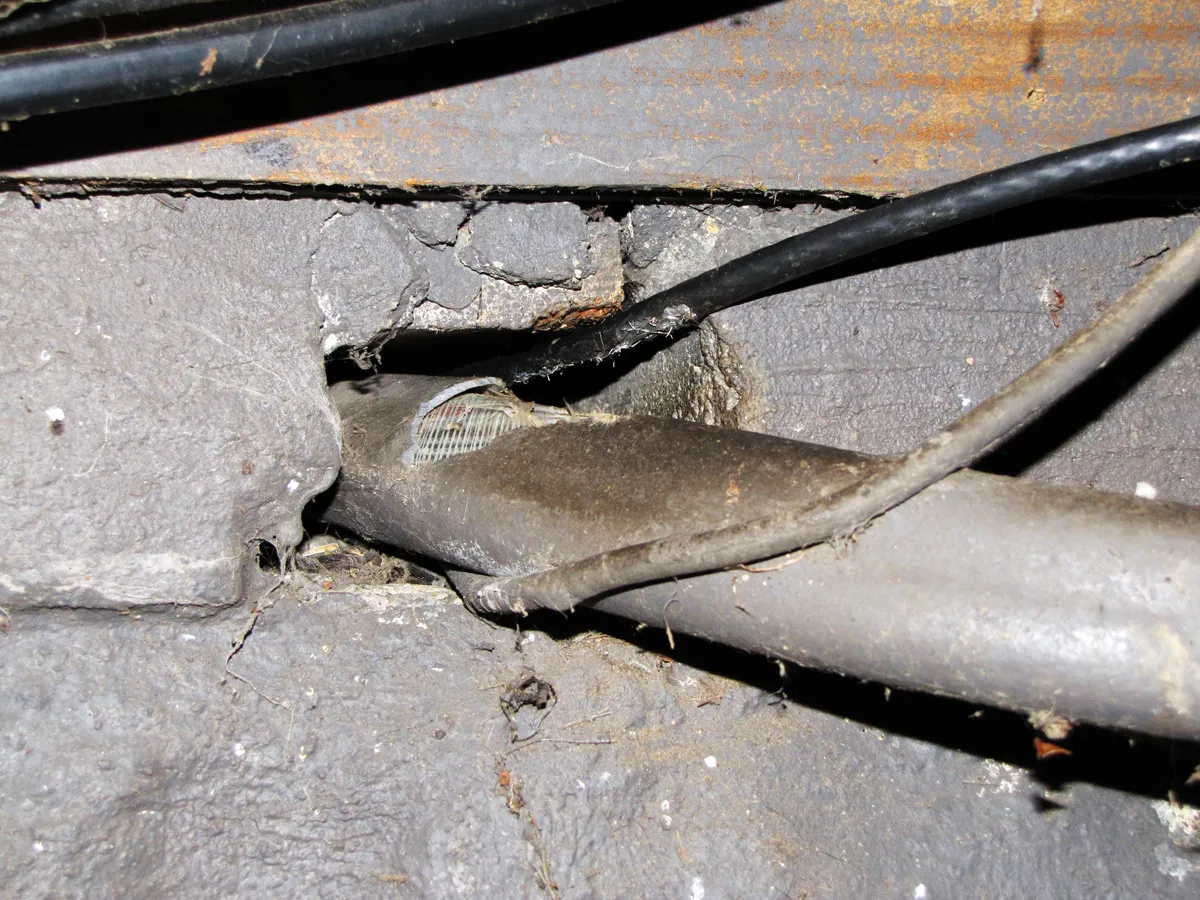
Photos from Recent Jobs
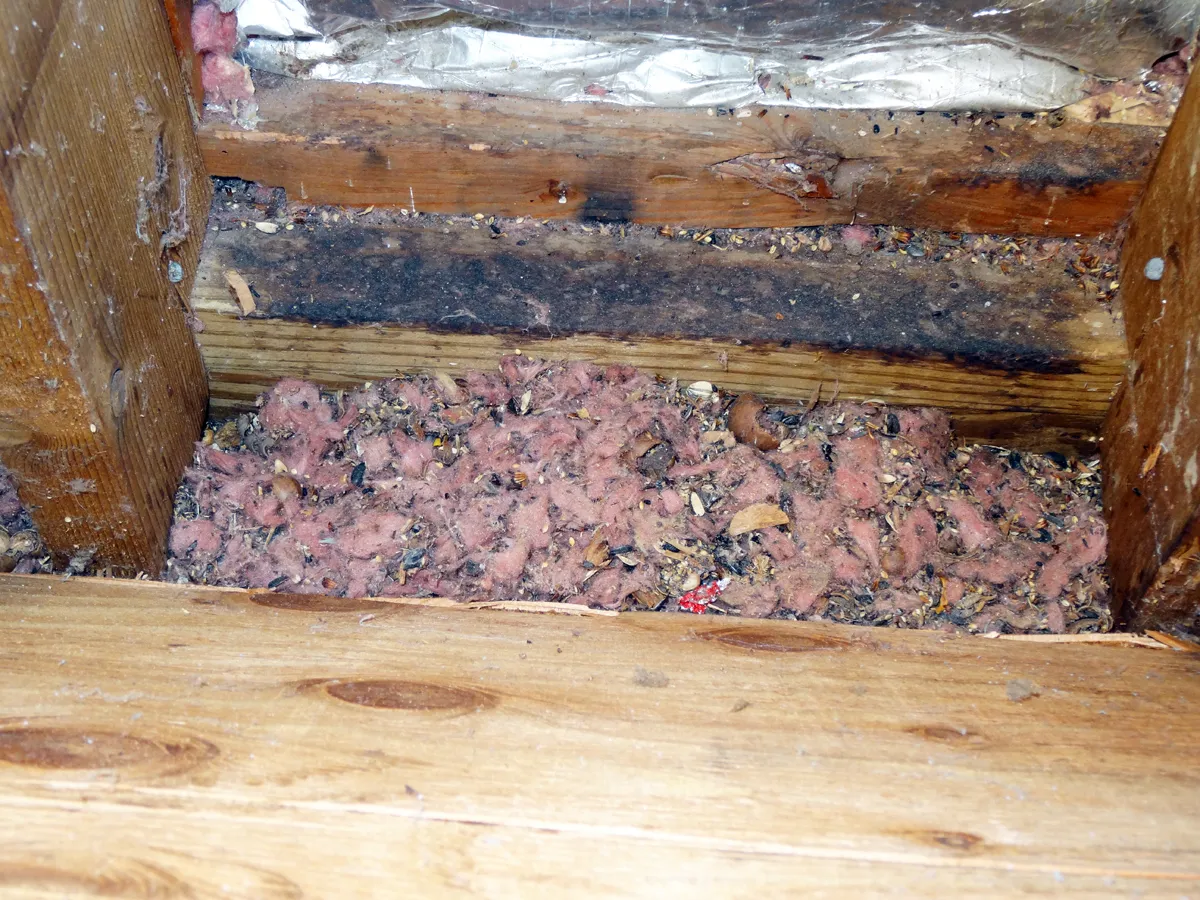
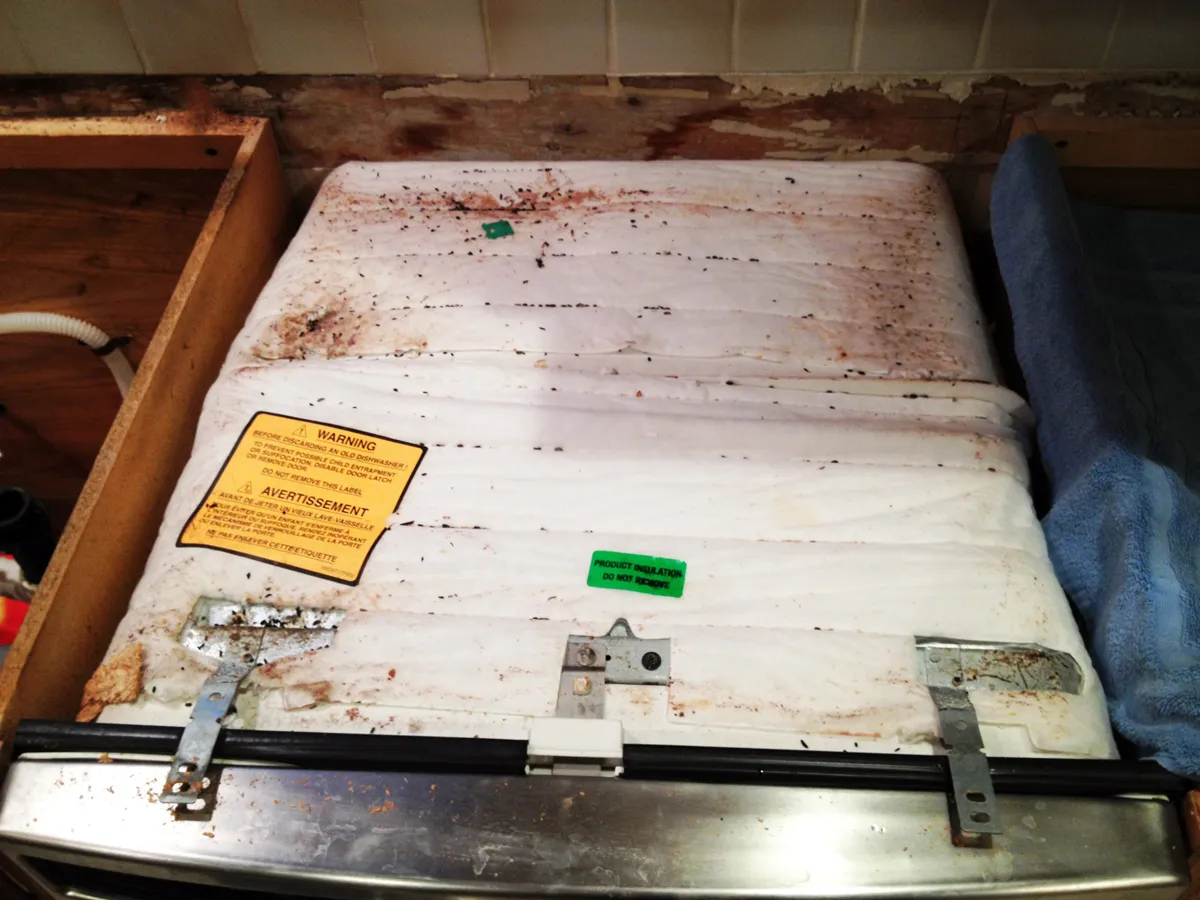
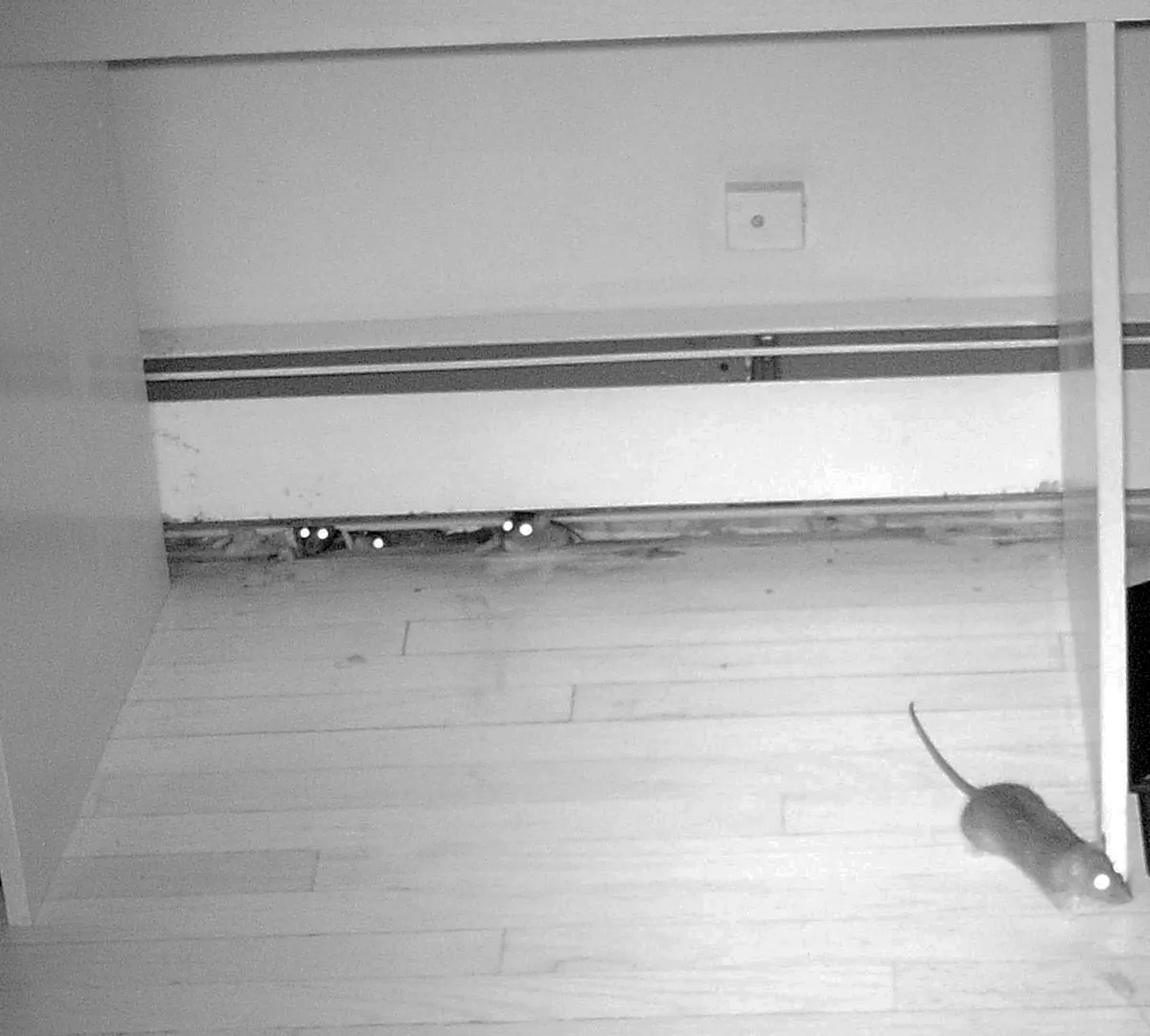
Mice In Walls
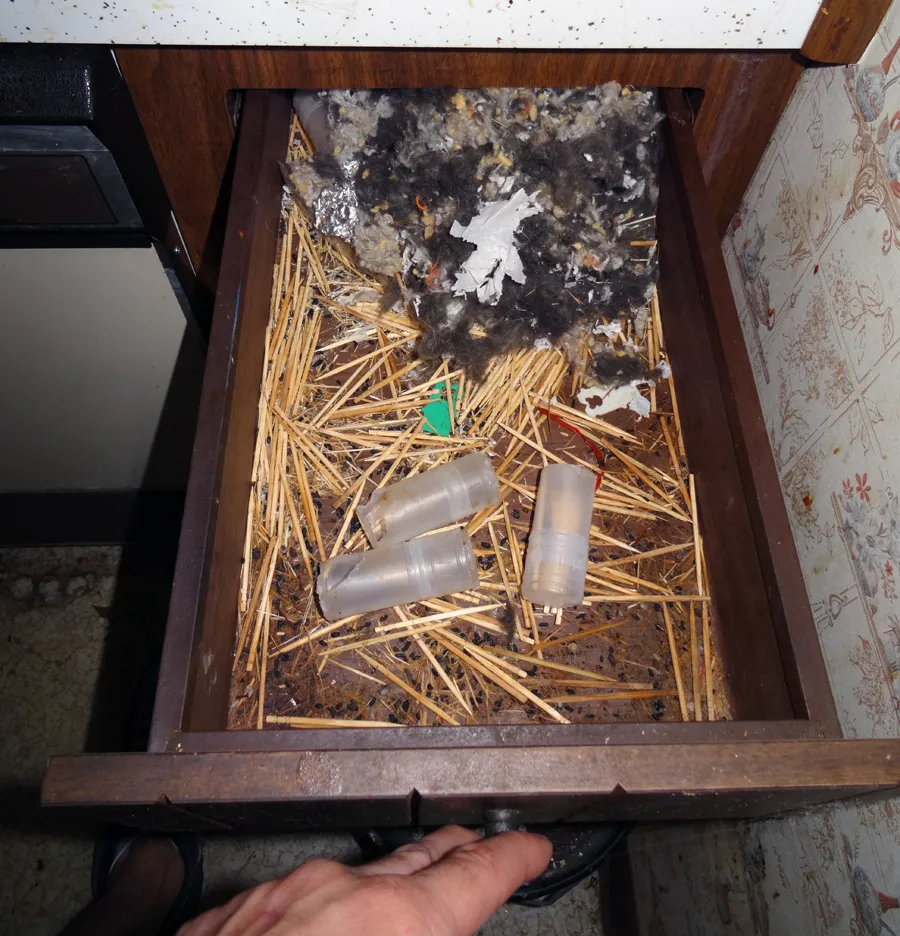
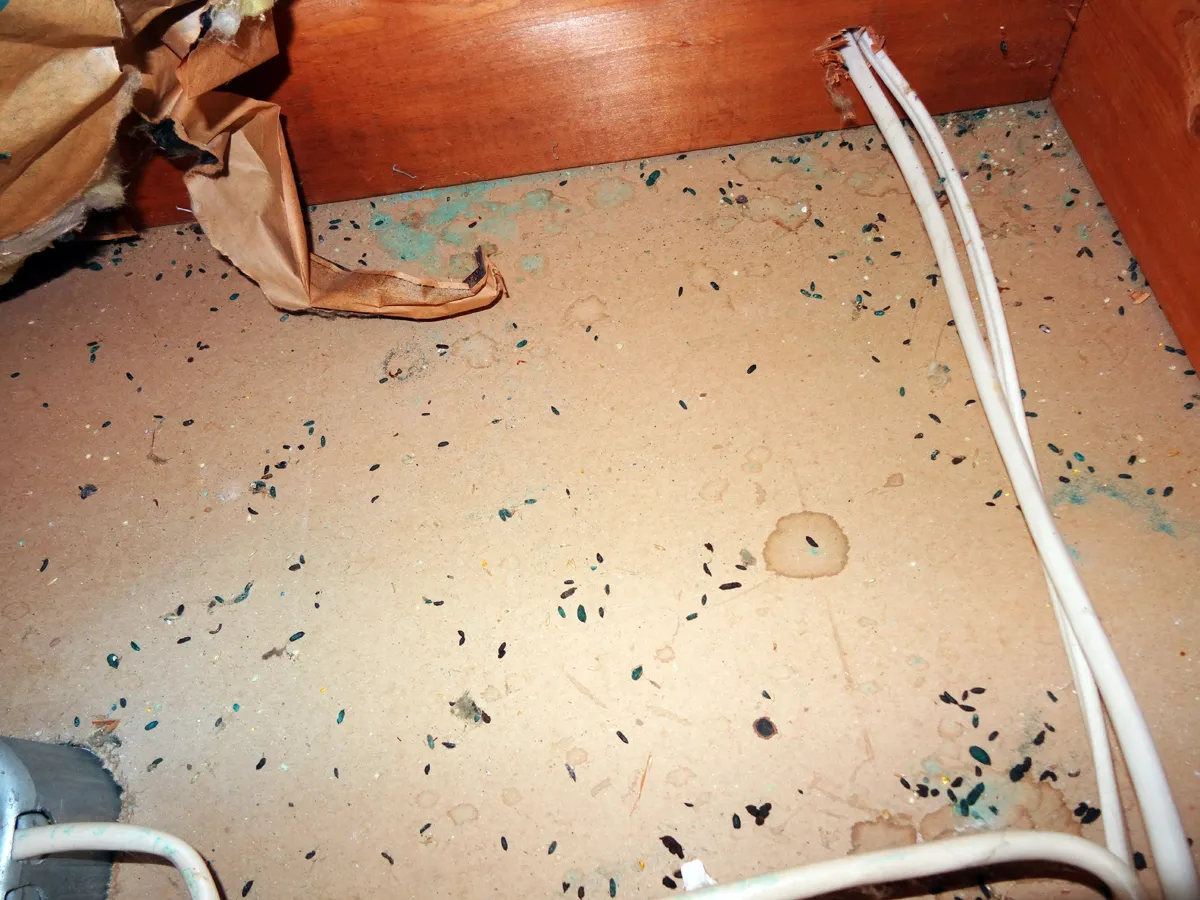
Kitchen Cabinet Droppings
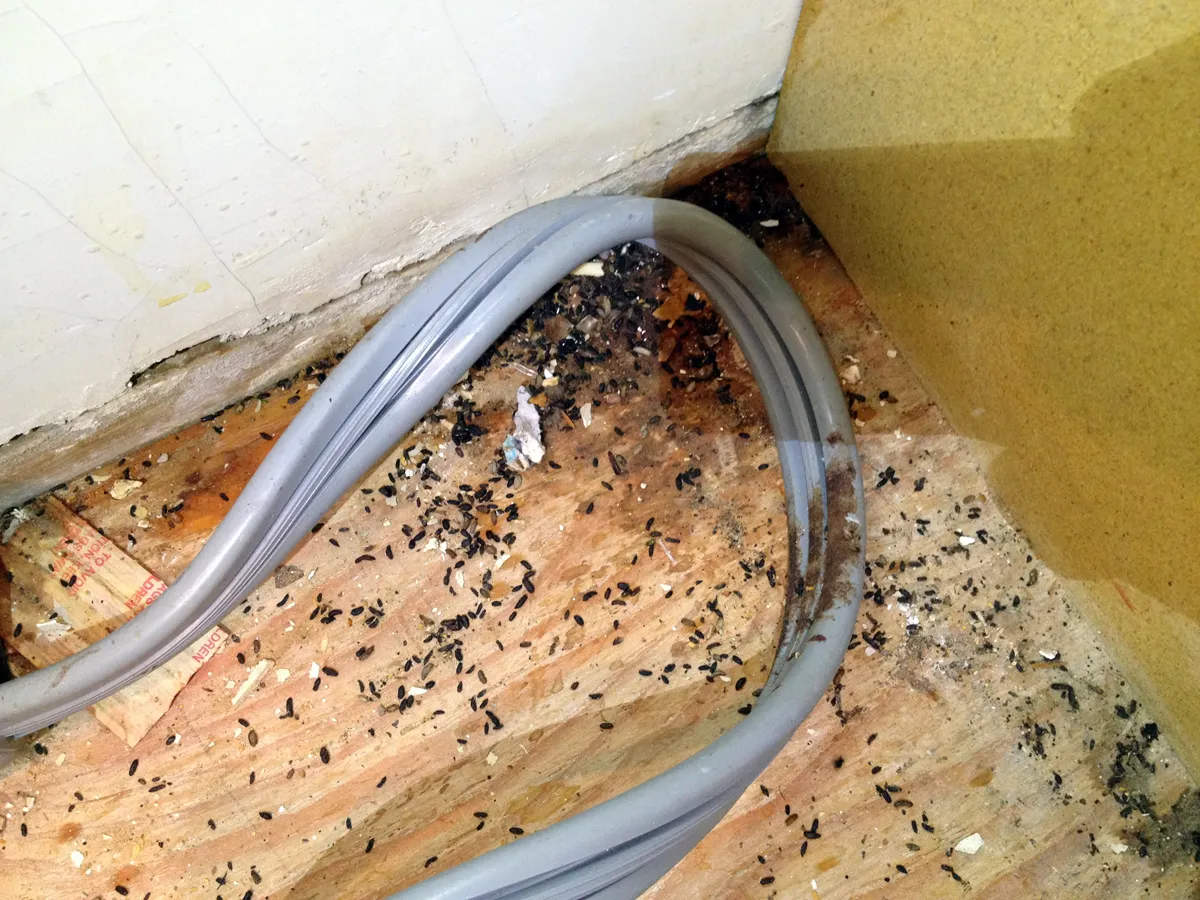
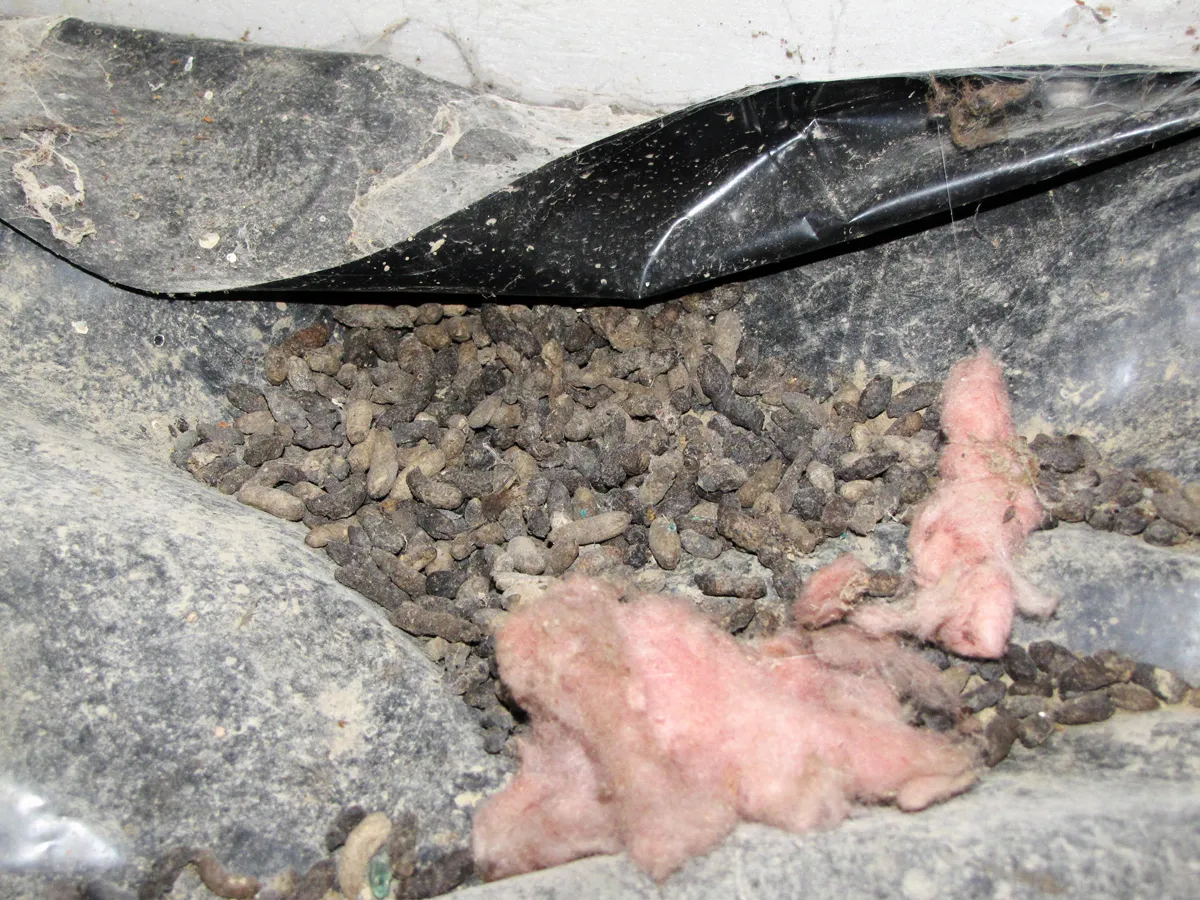
Droppings Under Stove
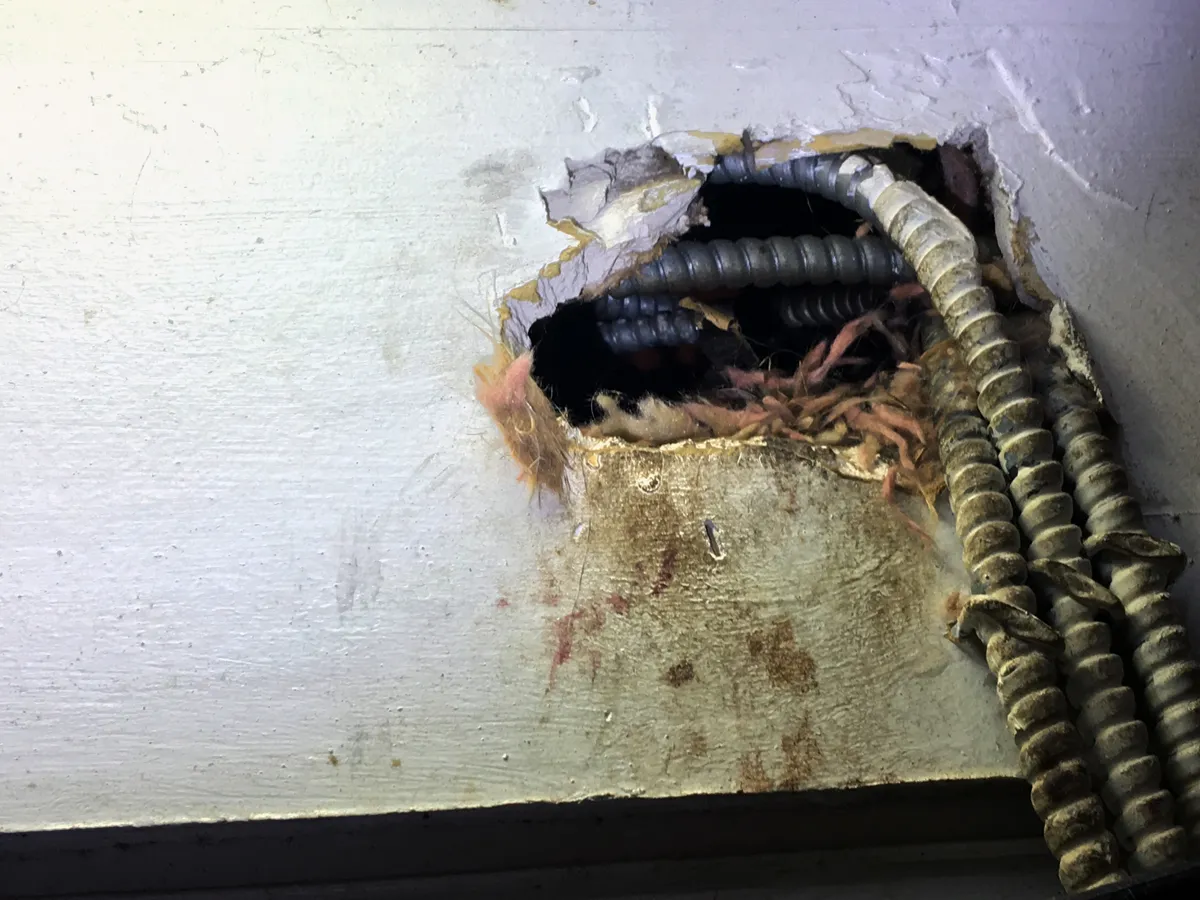
Rats In Walls
Case Study: Bergen County
A Tenafly homeowner had been paying an exterminator for monthly poison bait stations for three years. The mice never stopped. The winter she called us the infestation had become unbearable, and the pest control company acknowledged it was beyond their ability to solve. Mice were running through the living space without any fear of humans. When we inspected, we found hundreds of entry points, including burrow holes that were exploiting foundation gaps underground. We sealed every one, set interior traps, and had the house rodent-free within three weeks. The homeowner cancelled their exterminator contract. No poison needed.
Why No Poison
The Problem with Rodent Poison
Poison does not solve a rodent problem. It manages it, poorly, and creates new ones.
Dead rodents in walls. A poisoned mouse does not conveniently die in the bait station. It retreats to an inaccessible space and dies there. The smell lasts weeks. Removing a dead mouse from inside a wall means cutting drywall.
Secondary and accidental poisoning. Poisoned rodents are eaten by owls, hawks, and foxes. The poison passes up the food chain. This is a significant threat to raptor populations. Additionally, any larger animals that enter the home are at risk of eating the poison and causing much larger health threats. And too often, loose poison is discovered and eaten by house pets.
Endless cycle. Poison does not seal the house. New mice replace dead ones through the same entry points. The exterminator keeps coming, keeps charging, and the problem never goes away. Sealing the house is the only permanent solution.
Cruel and unnecessary. There are times when the only way to handle a wildlife problem is through the use of lethal techniques. For instance, an animal with rabies will suffer greatly if it isn't euthanized. But when choosing lethal techniques, it is important to be humane. No animal deserves to suffer unnecessarily. Dying over multiple days because of internal bleeding from poison is both cruel and unnecessary.
Common Species
Mice & Rats in the Tri-State Area
House Mouse. The House Mouse is the most common. Small, prolific (a female can produce 60 young per year), and capable of entering through a gap as small as 6mm. They nest in walls, cabinets, attics, and basements.
Field Mouse. This term commonly refers to three distinct species: the white-footed mouse, the deer mouse, and the eastern meadow vole (often called a meadow mouse). While house mice are permanent indoor pests adapted to human environments, field mice are primarily outdoor rodents that enter buildings seasonally for shelter or food. Field mice can carry a higher risk of hantavirus.
Norway Rat. The Norway Rat is larger, heavier, and lives at ground level or below. They burrow along foundations, enter through basement gaps, and are common in older homes. They are cautious and more difficult to trap than mice.
Roof Rat. The Roof Rat is a climber. Less common than the Norway Rat but present in the tri-state area. They enter through roofline gaps and nest in attics, similar to squirrels.
Health Risks
Contamination, Disease & Allergens
Rodent droppings and urine contaminate food storage areas, countertops, and insulation. Mice produce 50 to 75 droppings per day. Hantavirus, salmonella, and leptospirosis are all transmitted through rodent waste.
Rodent allergens (proteins in urine, droppings, and dander) are a significant asthma trigger, especially in children. Studies show that rodent allergen levels in homes with active infestations are high enough to cause respiratory symptoms.
"Three years of monthly exterminator visits and we still had mice. TriState sealed the house in one day. No mice since. I wish I had called them first."
Laura W.
Tenafly, NJ · Bergen County
"Our exterminator used poison and we ended up with dead mice in the walls. Awful smell for weeks. TriState explained why poison was the wrong approach, used traps, and sealed the house. Problem actually solved."
Mike S.
Tarrytown, NY · Westchester County
"Rats in the basement. Terrifying. Kris found where they were getting in through a gap around the sewer line. Sealed it, set traps, checked them daily. Rats are gone and I can go in my basement again."
Amy T.
Ossining, NY · Westchester County
"Mice were getting into our kitchen through gaps behind the stove. TriState found all the entry points, sealed them, and set traps to clear the ones already inside. No activity since."
Dave W.
Spring Valley, NY · Rockland County
Common Questions
Rodent Control FAQ
Poison causes dead rodents in walls (terrible smell), secondary poisoning of pets and wildlife, and does not seal the house. New rodents replace dead ones through the same entry points. Trapping plus exclusion is the only permanent solution.
We provide a free on-site inspection before quoting. Pricing depends on the size of the home, number of entry points, and severity of the infestation. Upfront written estimates with no hidden fees.
Mice can enter through a gap as small as 6mm (about the size of a dime). Common entry points include gaps around pipe penetrations, utility lines, HVAC connections, garage door seals, and foundation cracks. We identify and seal every one.
Yes. After the initial trapping and exclusion, we offer quarterly monitoring programs. We check for new activity, inspect the seal, and address any issues before they become infestations.
If you had poison bait stations, very likely. A dead mouse in a wall creates a smell that lasts 1 to 3 weeks. We can locate and remove dead rodents from walls and other inaccessible spaces. This is exactly why we do not use poison.
Droppings are the easiest tell. Mouse droppings are about the size of a grain of rice (3 to 6mm). Rat droppings are closer to a raisin (12 to 19mm). Mice run across counters and into cabinets, often heard at night. Sometimes you will hear scratching inside the walls. Rats are heavier, more cautious, and usually stay near the ground or basement. The treatment approach differs for each.
Most homes are sealed within a week. Trapping out the existing interior population usually takes 7 to 14 days, depending on how many animals were inside when we started. After the initial trap-out, ongoing monitoring catches any stragglers. The seal is what makes it permanent.