Opossums (sometimes called possums) are North America's only marsupial, and they are increasingly common in suburban areas across New York, New Jersey, and Connecticut. While generally non-aggressive, opossums denning under porches, decks, and sheds create sanitation problems, attract fleas and ticks, and occasionally die in inaccessible spaces. We trap, remove, relocate, exclude, and sanitize. All exclusion work is backed by a written guarantee.
"TriState removed it, sanitized the area, and sealed the deck the same day."
— Michelle R., Ho-Ho-Kus, NJ
How We Work
Humane Opossum Removal Process
We start with an inspection to identify where the opossum is denning, how it is accessing the space, and whether young are present. Opossums are opportunistic and will use any opening under a structure, including gaps left by other animals.
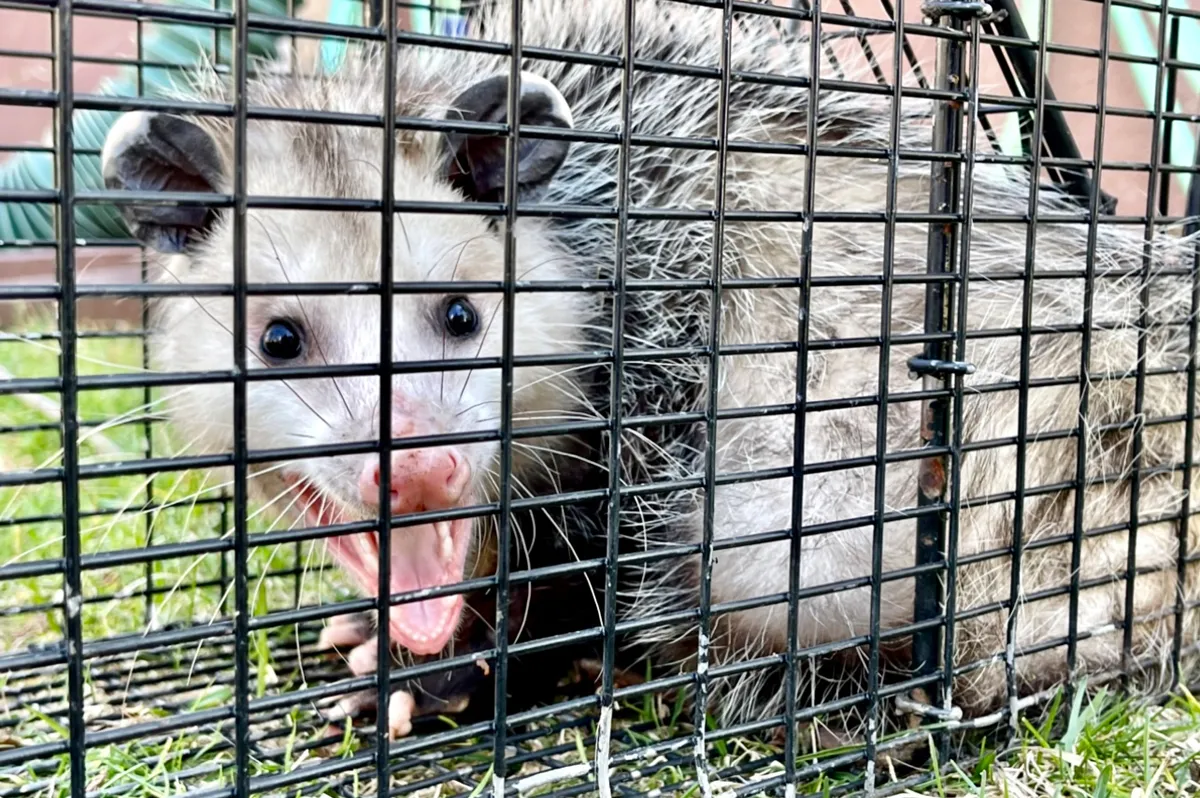
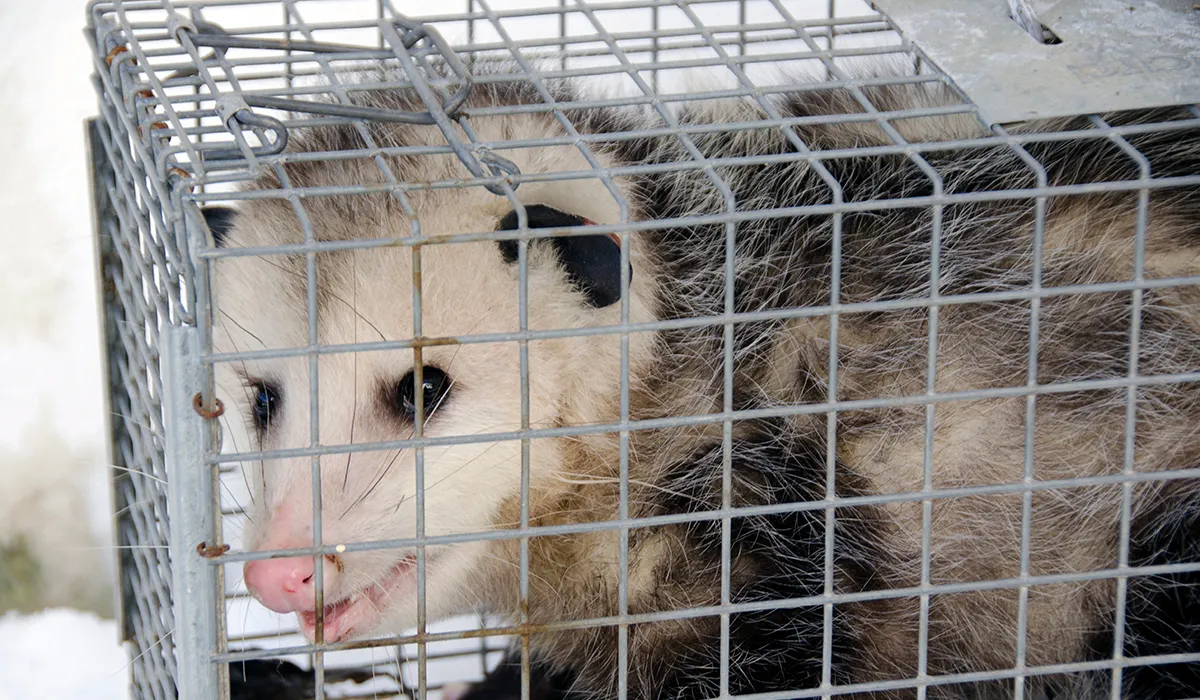
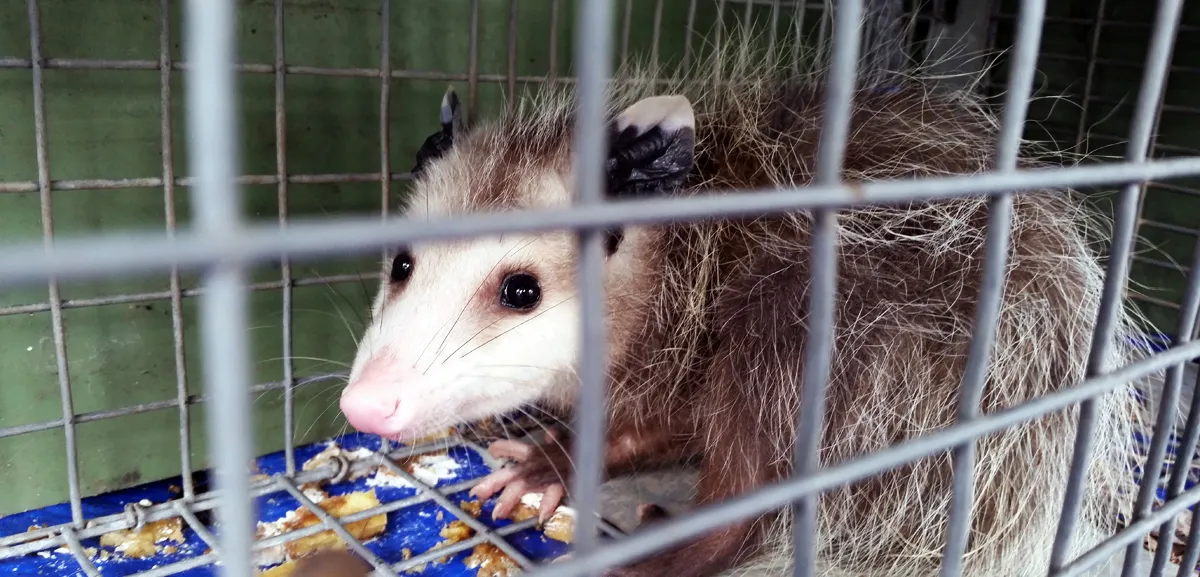
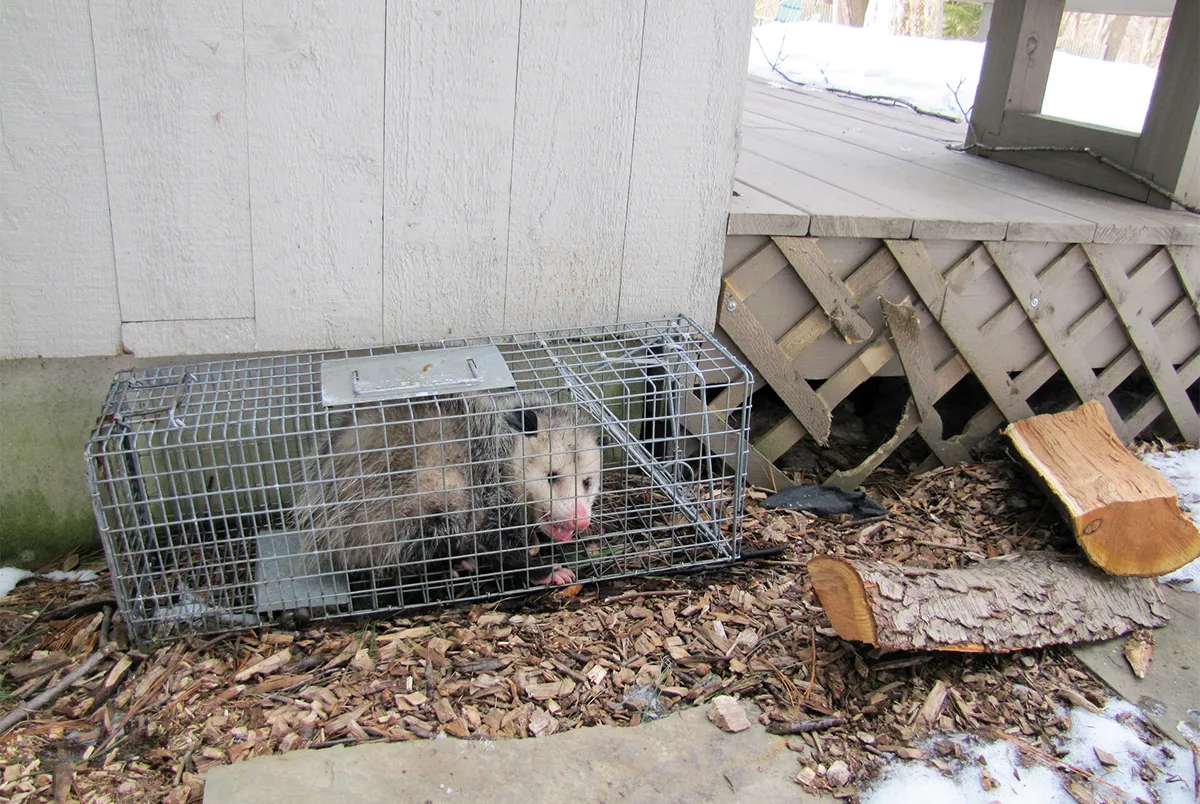
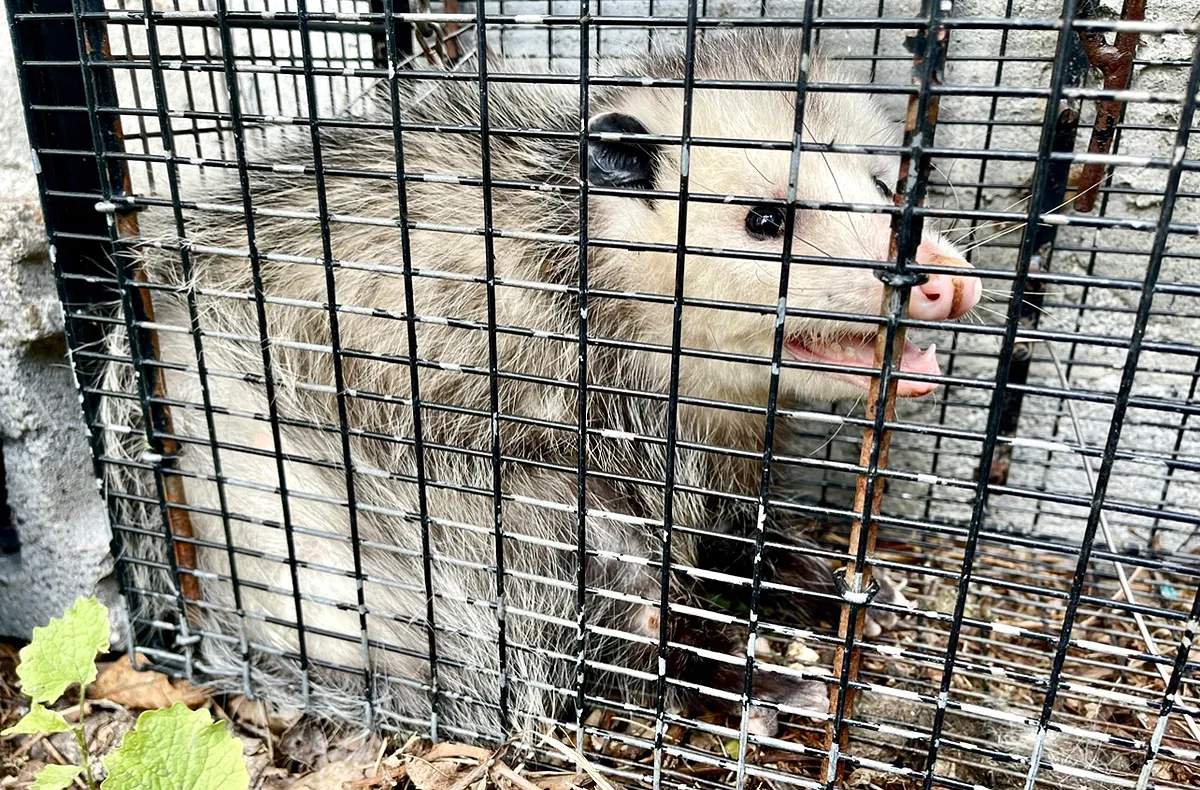
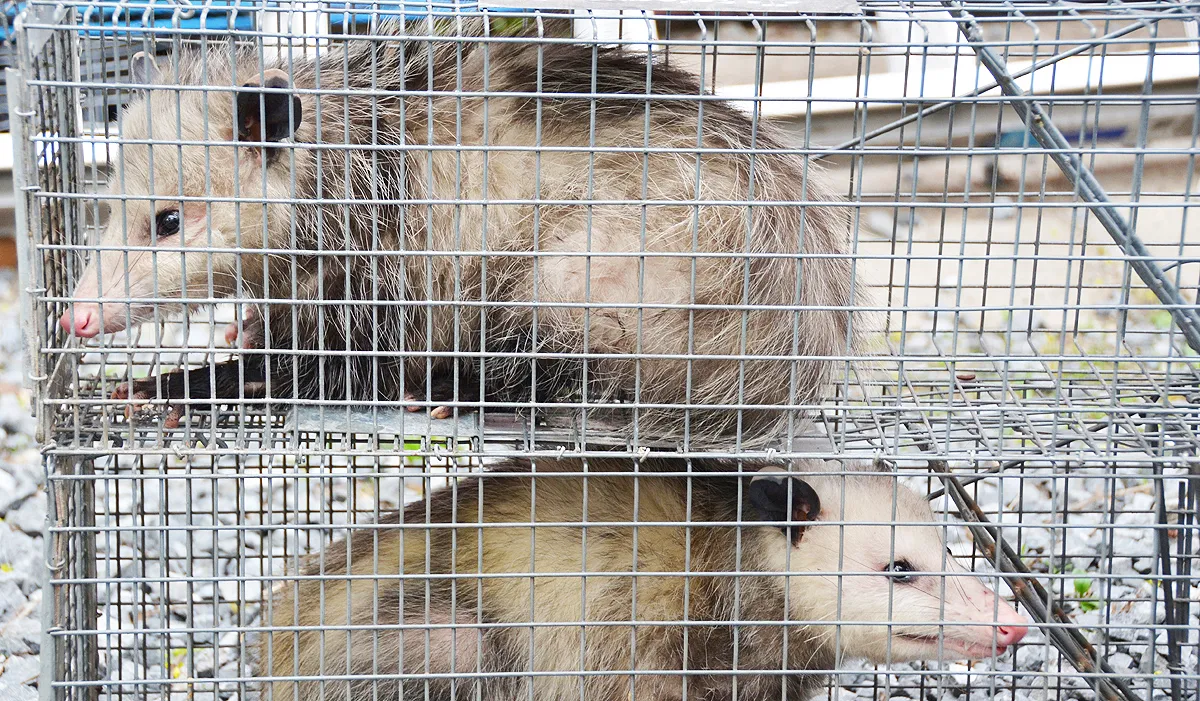
Our clients determine whether they prefer to remove and relocate or simply evict from the den. When full removal is chosen we set professional cage traps at access points or along travel routes. Opossums are not trap-shy and are usually captured within one to two nights. We check traps daily, use camera monitoring as needed, and relocate captured animals humanely.
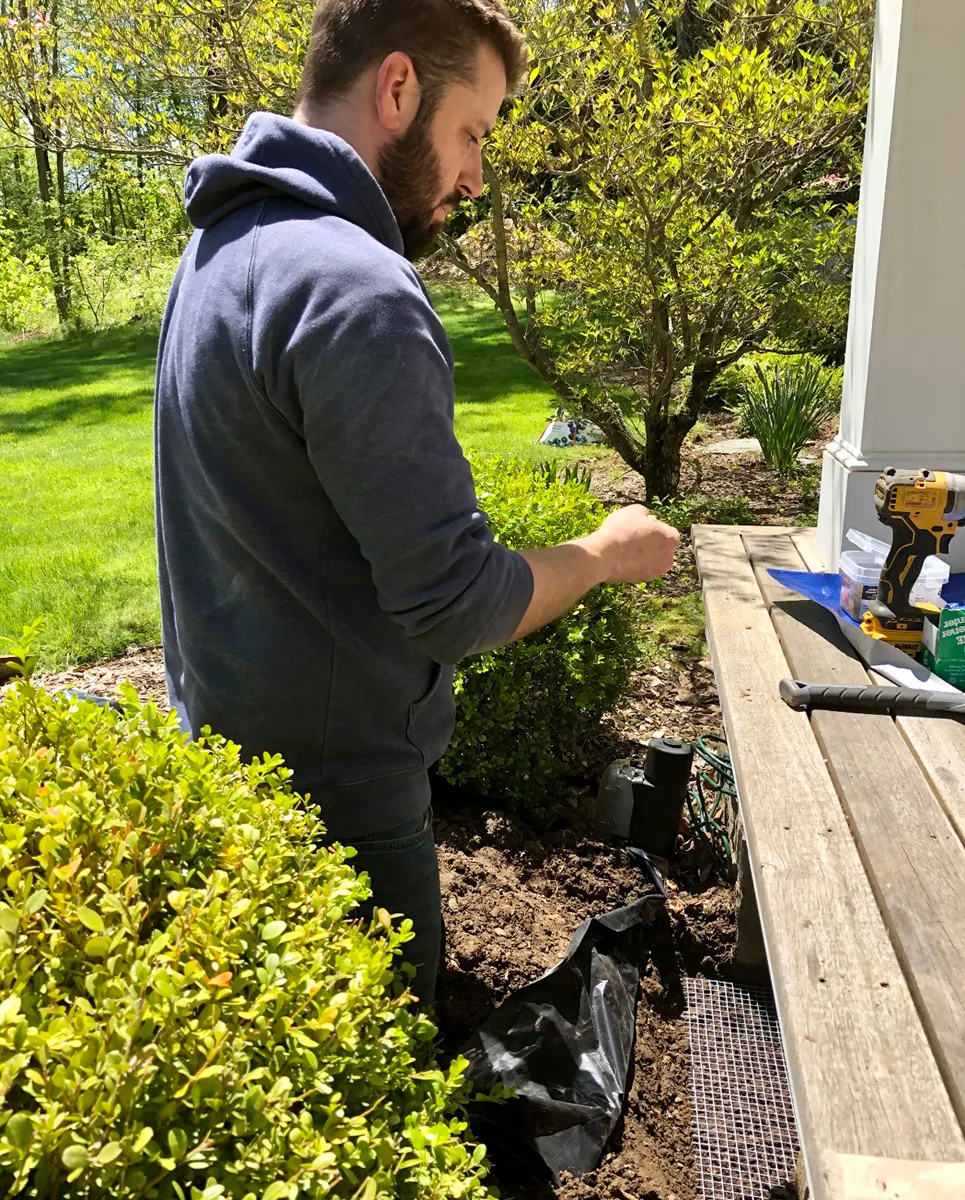
After removal, we seal every access point into the structure with permanent barriers. If the opossum has been denning for an extended period, we sanitize the area to remove droppings and nesting material. All exclusion work is fully guaranteed for 10 years.
Our Opossum Work
Photos from Recent Jobs
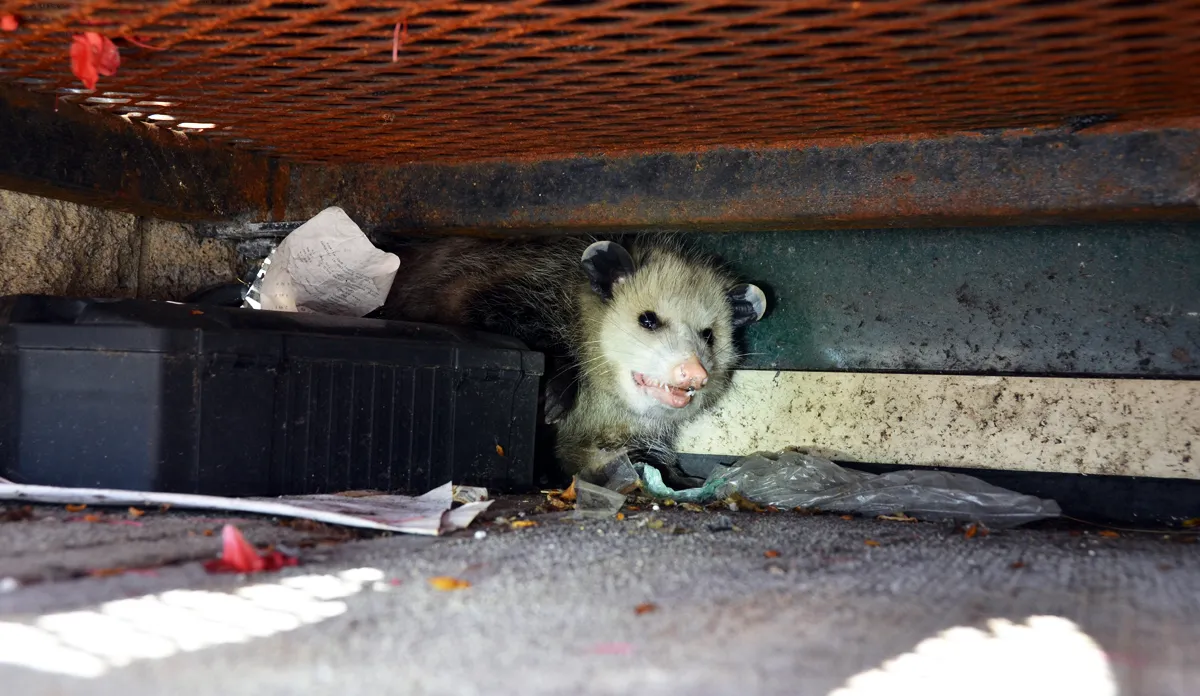
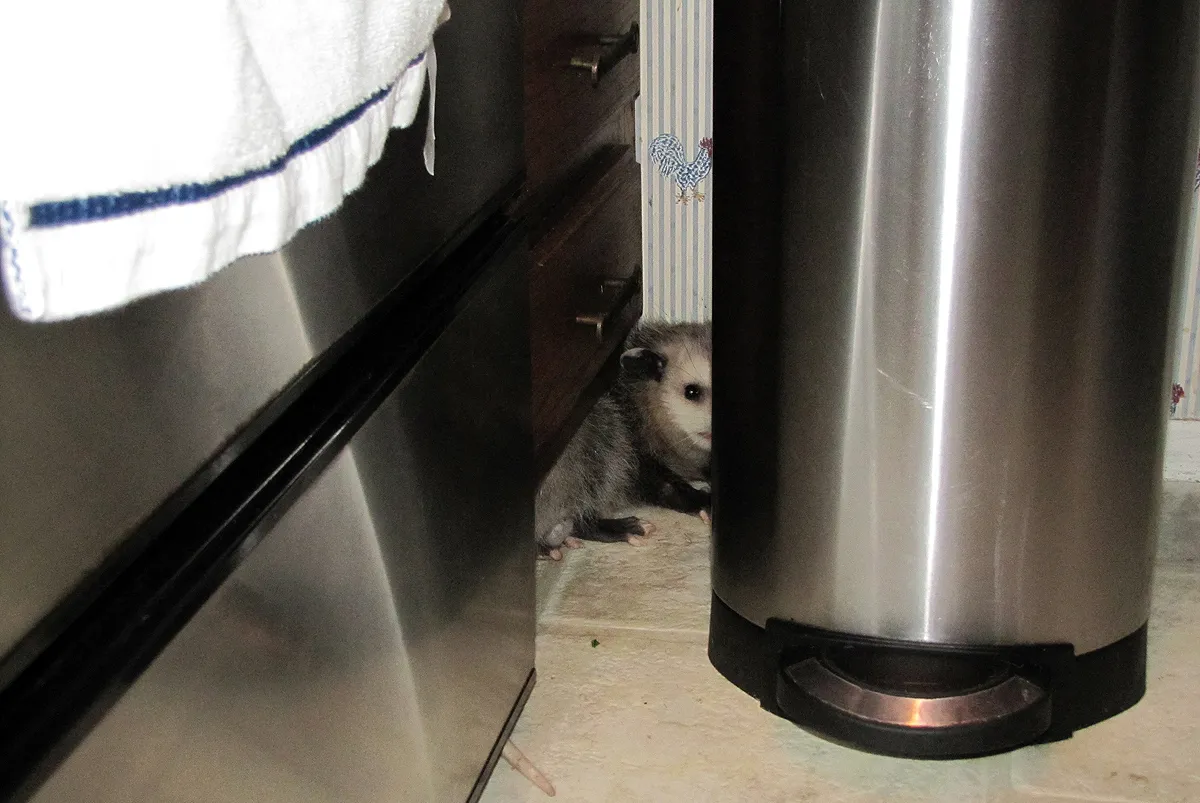
Opossum In Attic- Removed
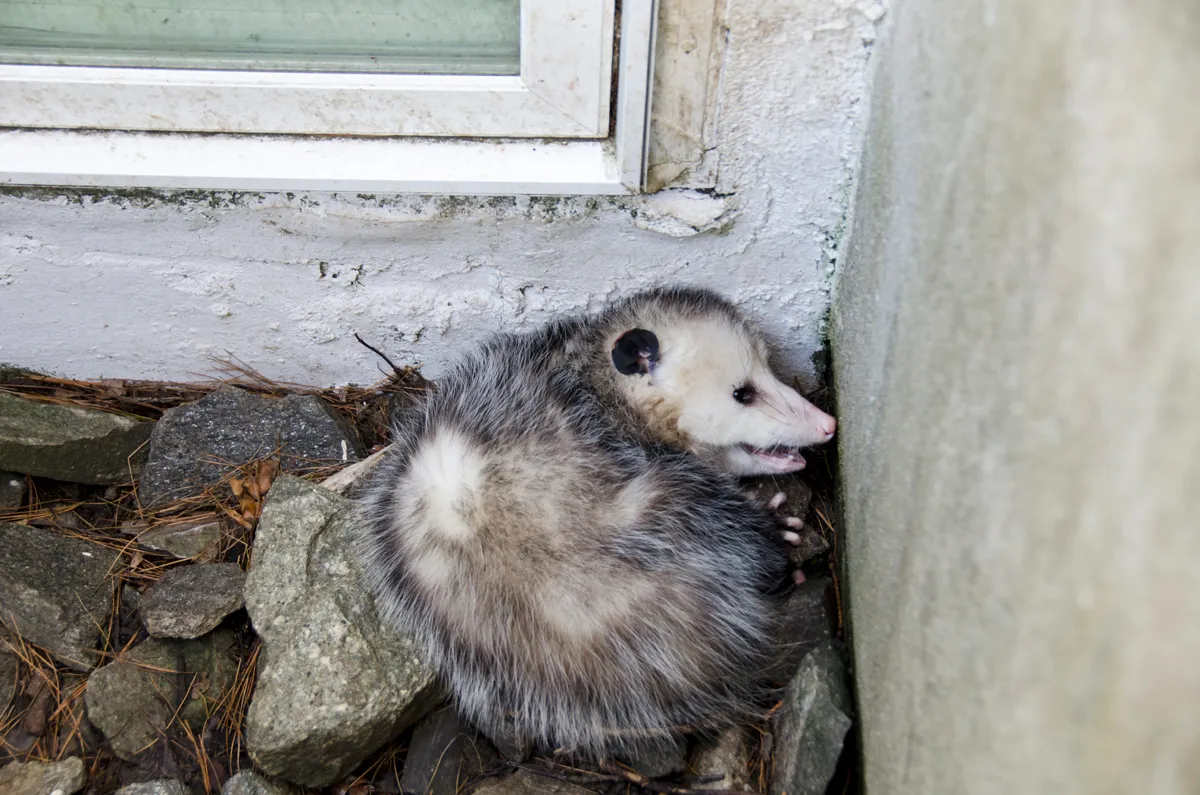
Opossum In Yard - Caught
Humane Opossum Trapping
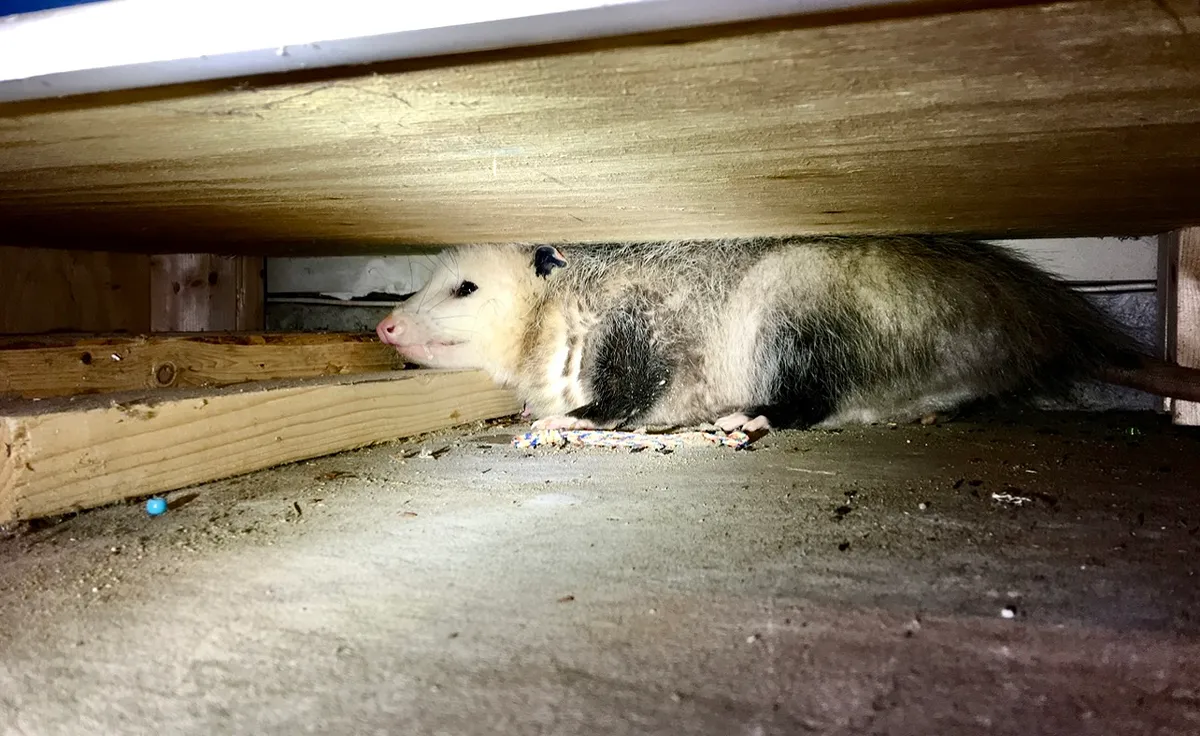
Under Deck Den
Case Study: Rockland County
A Nyack homeowner called about a terrible smell coming from under their deck. An opossum had been denning there for weeks and died in the space. We removed the carcass, sanitized the area, and installed heavy duty exclusion barriers around the entire deck perimeter. We also reinforced the lattice and sealed gaps that had provided access. The homeowner said three different opossums had denned there over the past two years. None have returned since the exclusion.
Know Your Opossums
Biology & Behavior
The Virginia Opossum (Didelphis virginiana) is the only marsupial in North America. Adults weigh 4 to 14 pounds. They are nocturnal, solitary, and nomadic. Unlike most nuisance wildlife, opossums do not maintain permanent dens. They move from shelter to shelter, which means the opossum under your deck today may be gone next week, but a new one may arrive the week after.
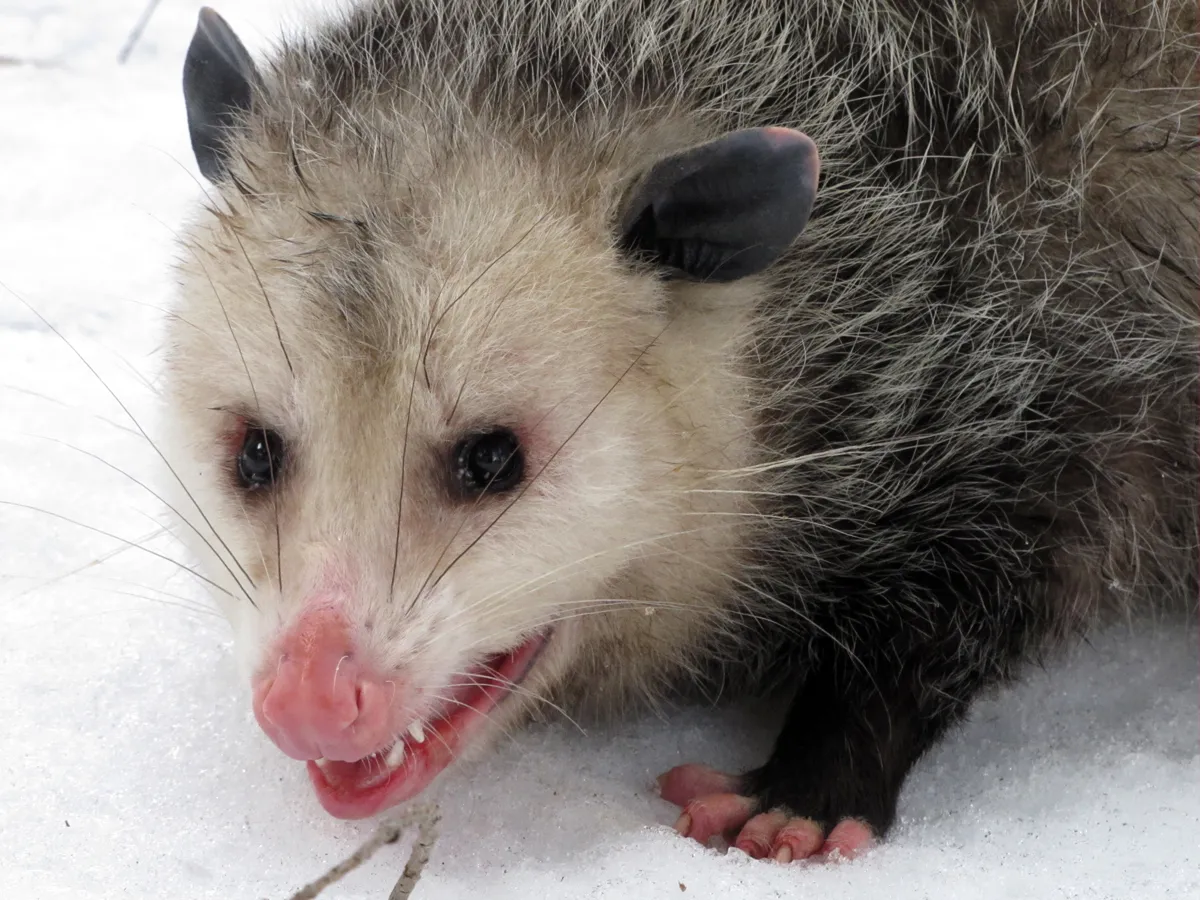
Opossums have 50 teeth, more than any other North American land mammal. Despite their intimidating hiss-and-bare-teeth display, they are rarely aggressive. Their famous "playing dead" response is an involuntary reaction to extreme stress.
One beneficial fact: opossums eat enormous quantities of ticks. A single opossum can kill and consume up to 5,000 ticks per season. They are also highly resistant to rabies due to their low body temperature.
Many of our clients prefer "evict and exclude," a process by which we get them out of their current den and safeguard it from access, while not removing them from the property. This way they stay nearby and continue eating ticks. This is a matter of individual choice, and we let our clients decide their preference.
Risks & Concerns
Parasites, Sanitation & Dead Animal Odor
While opossums themselves are rarely rabid, they carry fleas, ticks, mites, and lice. An opossum denning under a structure brings these parasites close to your home and pets. Flea infestations in crawl spaces can migrate into the living area.
Opossums leave droppings and food debris in their denning sites. Over time, this creates unsanitary conditions and attracts insects. The smell can become noticeable inside the home, especially in warm weather.
The most common emergency call we get for opossums is a dead one in an inaccessible space. Opossums have short lifespans (2 to 4 years) and frequently die under structures. The odor from a decomposing opossum is severe and can persist for weeks. Learn more about our dead animal removal service.
Long-Term Prevention
Exclusion & Habitat Modification
Because opossums are nomadic, trapping alone is a temporary fix. A new opossum will find the same shelter within weeks. Permanent exclusion is the only long-term solution.
We install permanent barriers around decks, porches, sheds, and crawl spaces. We also recommend removing attractants: secure garbage cans, do not leave pet food outside, and clean up fallen fruit. Learn more about our full home exclusion service.
"Dead opossum under our deck. The smell was unbearable. TriState removed it, sanitized the area, and sealed the deck the same day. I was shocked how quickly they solved the problem."
Michelle R.
Ho-Ho-Kus, NJ · Bergen County
"Opossum kept getting into our garage through a gap in the foundation. Kris sealed it with heavy duty mesh and we haven't had one since. Simple fix but no one else thought of it."
Dan G.
White Plains, NY · Westchester County
"Third opossum in two years under our shed. TriState finally sealed it properly. Previous company just set traps and left. TriState actually solved the problem."
Carol S.
Chestnut Ridge, NY · Rockland County
"Opossum showed up in our garbage can every night. Kris trapped it the next day and relocated it humanely. Exactly what we needed."
Ellen B.
Wayne, NJ · Passaic County
Common Questions
Opossum Removal FAQ
Opossums are rarely aggressive and almost never rabid (their low body temperature makes them poor hosts for the virus). However, they carry fleas, ticks, and mites, and their droppings create sanitation problems. They will bite if cornered, so do not attempt to handle one yourself.
We provide a free on-site inspection before quoting. Pricing depends on the situation, whether exclusion is needed, and any sanitation required. Upfront written estimates with no hidden fees.
Hire a licensed wildlife professional. Opossums often have babies in the pouch or den, and DIY removal that misses them creates orphan deaths and odor problems in the same space you're trying to clear. There are two paths: relocate the opossum off the property, or "evict and exclude," which means pushing them out from under the structure but leaving them nearby to continue eating ticks (a single opossum consumes thousands per season). Either way, exclusion only happens after the opossum is out and we confirm no babies remain. We then seal the access points with buried mesh barriers so opossums can't return.
In North America they're the same animal: the Virginia Opossum, our continent's only marsupial. "Possum" is a casual shorthand most Americans use for the same creature. True possums are a separate marsupial group native to Australia and New Guinea, not found in the United States. Whether you're searching for opossum removal or possum removal, you're talking about the same service.
Maybe. Opossums are nomadic and may move on within days. But if the shelter is attractive, a new one will take its place. Exclusion is the only permanent solution. If the opossum has died under the structure, it obviously will not leave on its own.
Many of our clients prefer "evict and exclude," where we get the opossum out of its current den and seal off the access, but do not remove it from the property. The opossum stays nearby and continues eating ticks (a single opossum can consume up to 5,000 per season), but no longer dens under your structure. We let you choose.
Call us at (845) 533-2773. A decomposing opossum under a structure or in a wall creates a severe odor that can last weeks. We locate and remove the carcass, sanitize the area, and seal the entry point to prevent it from happening again.