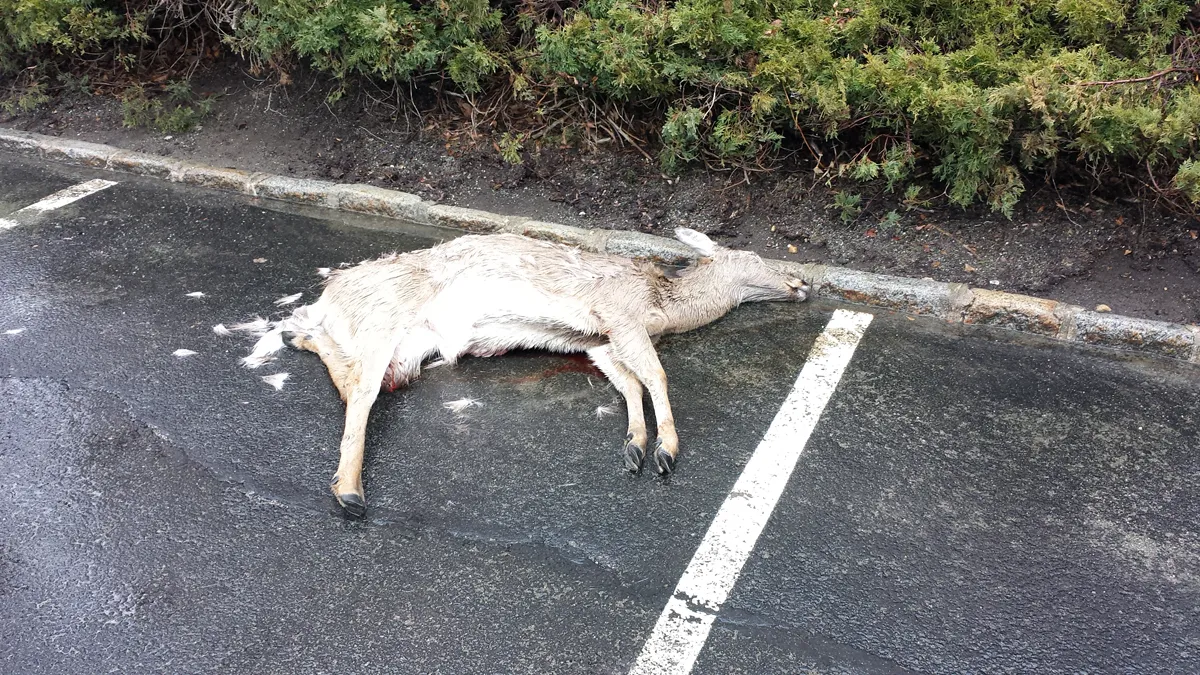
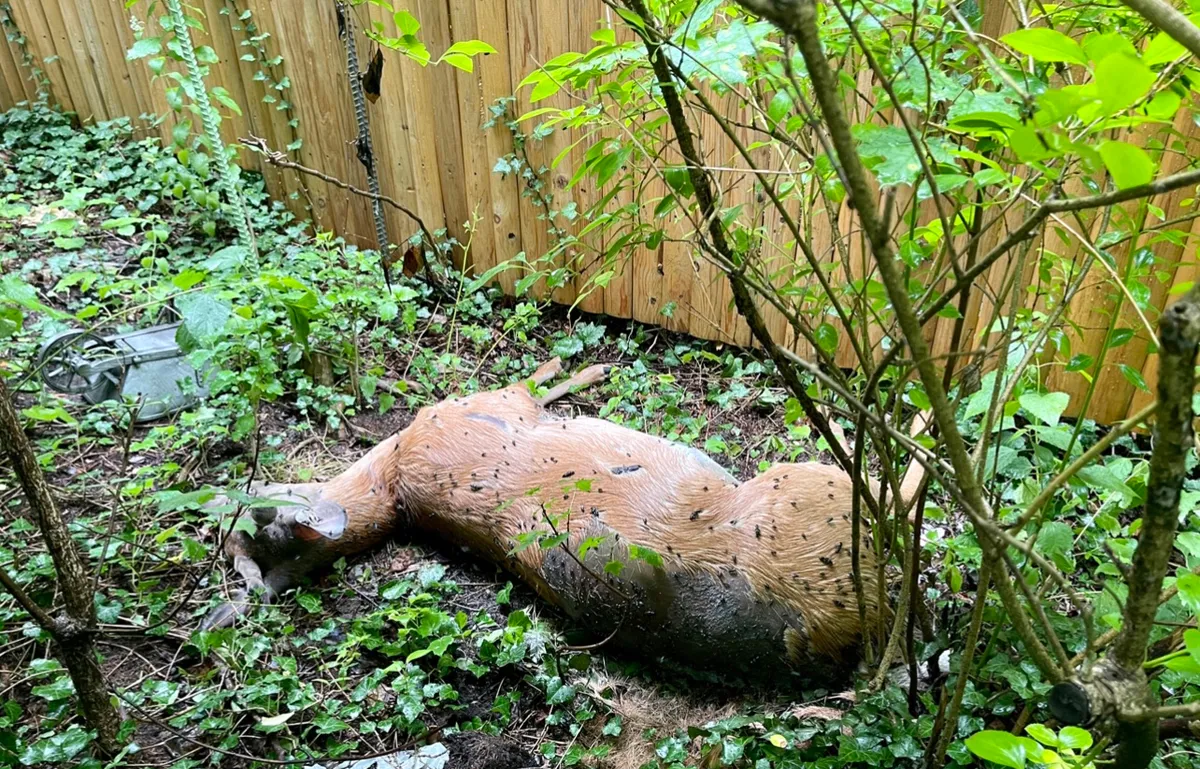
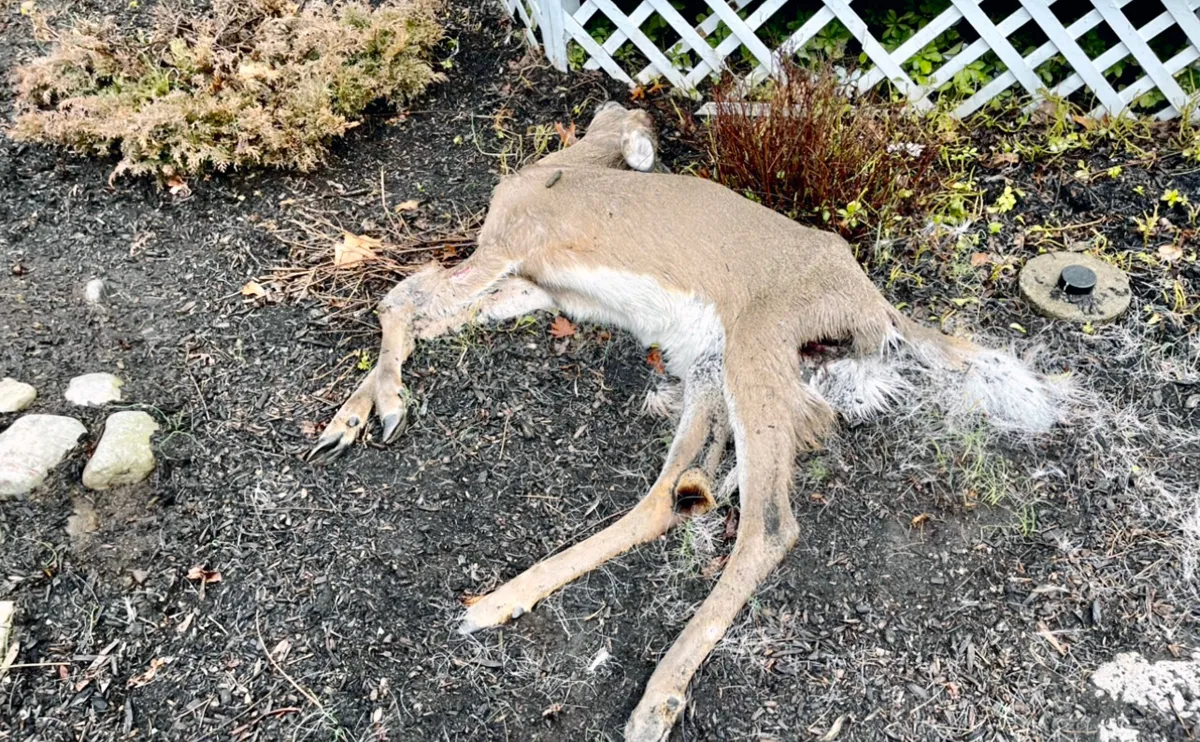
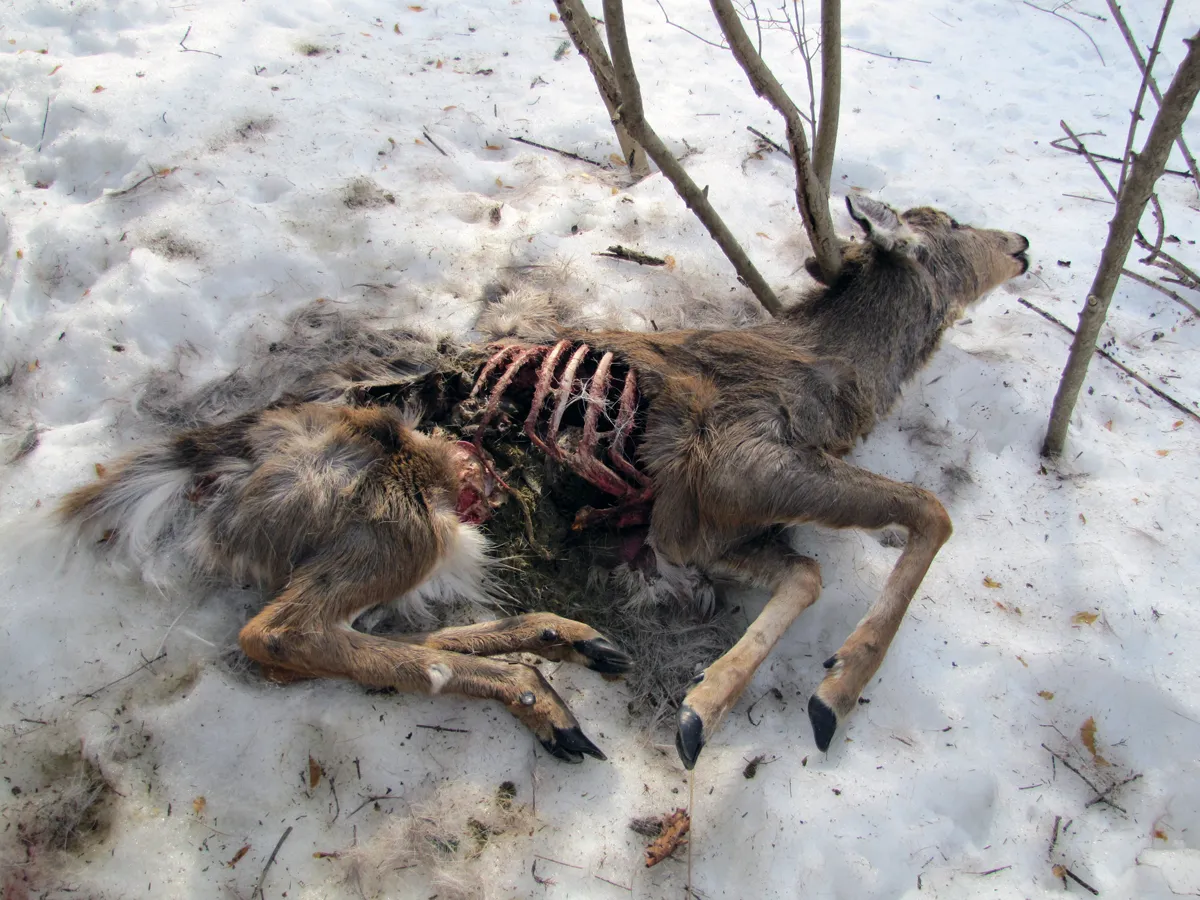
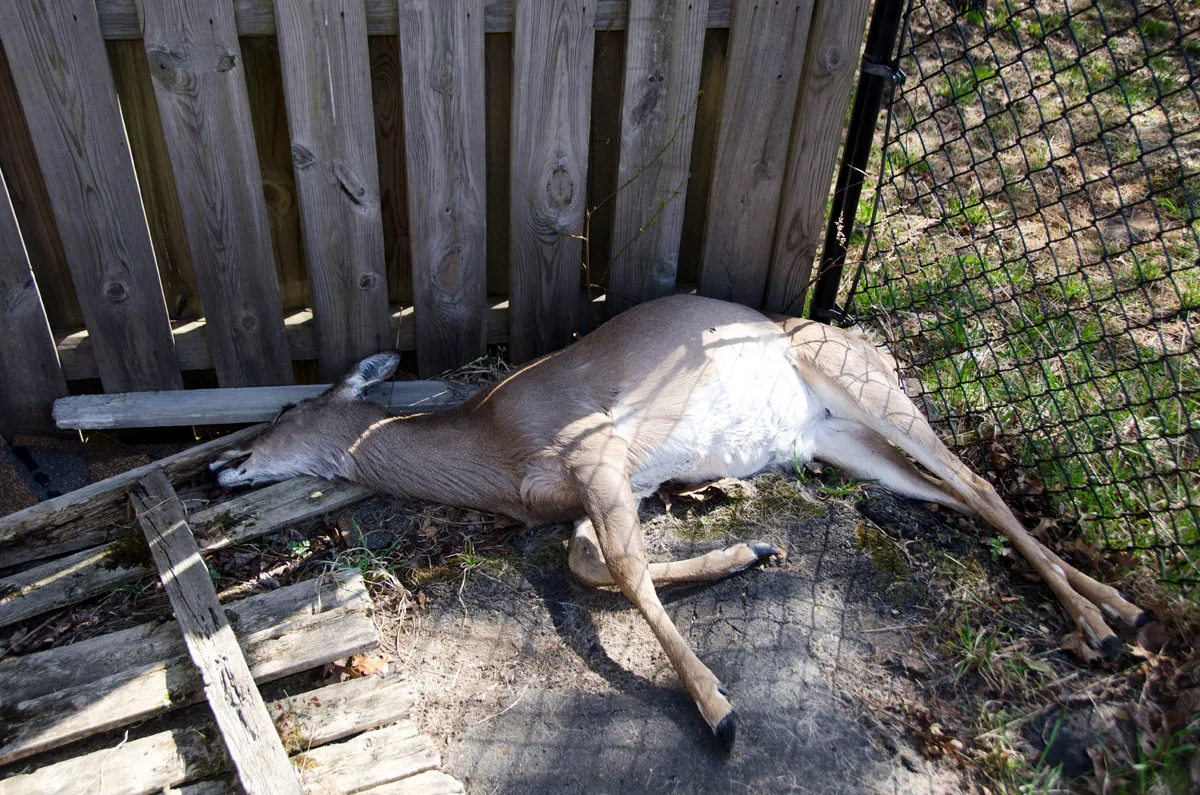
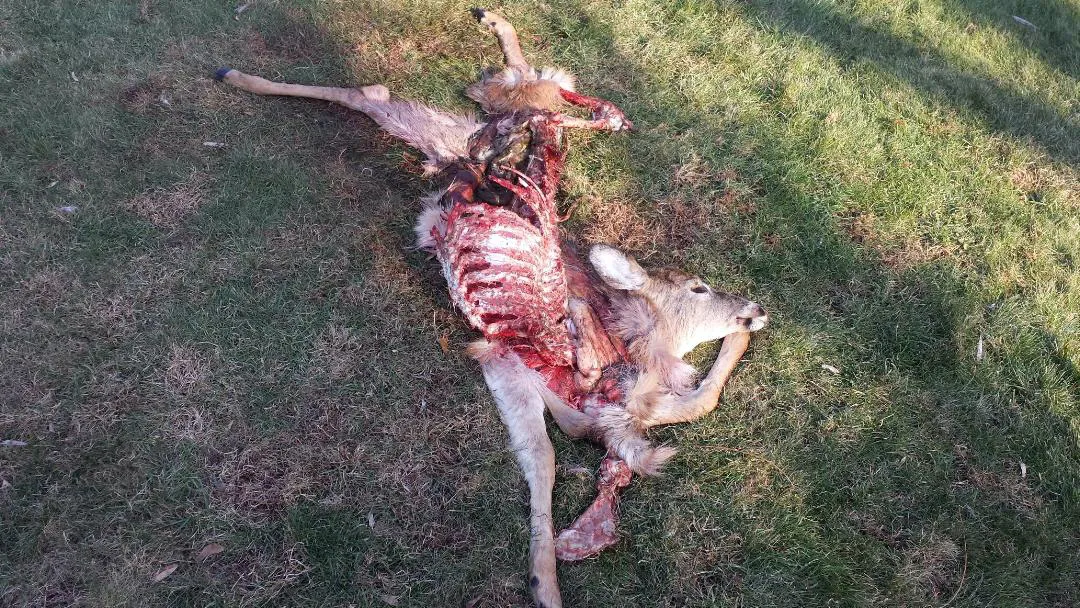
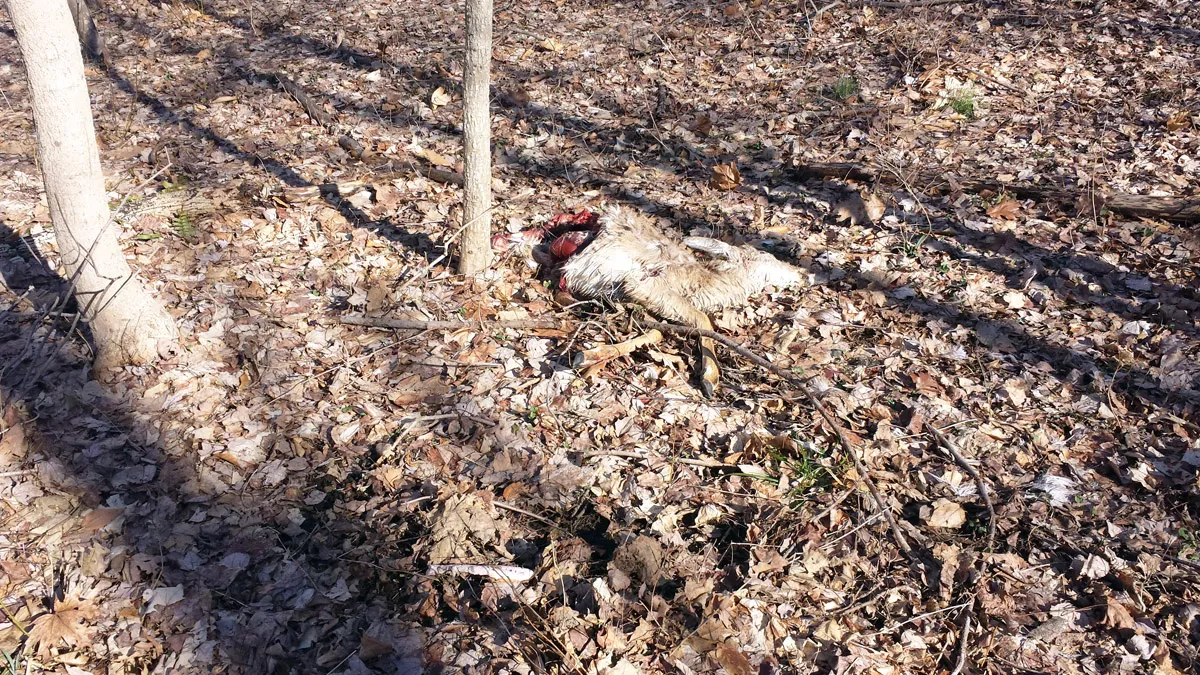
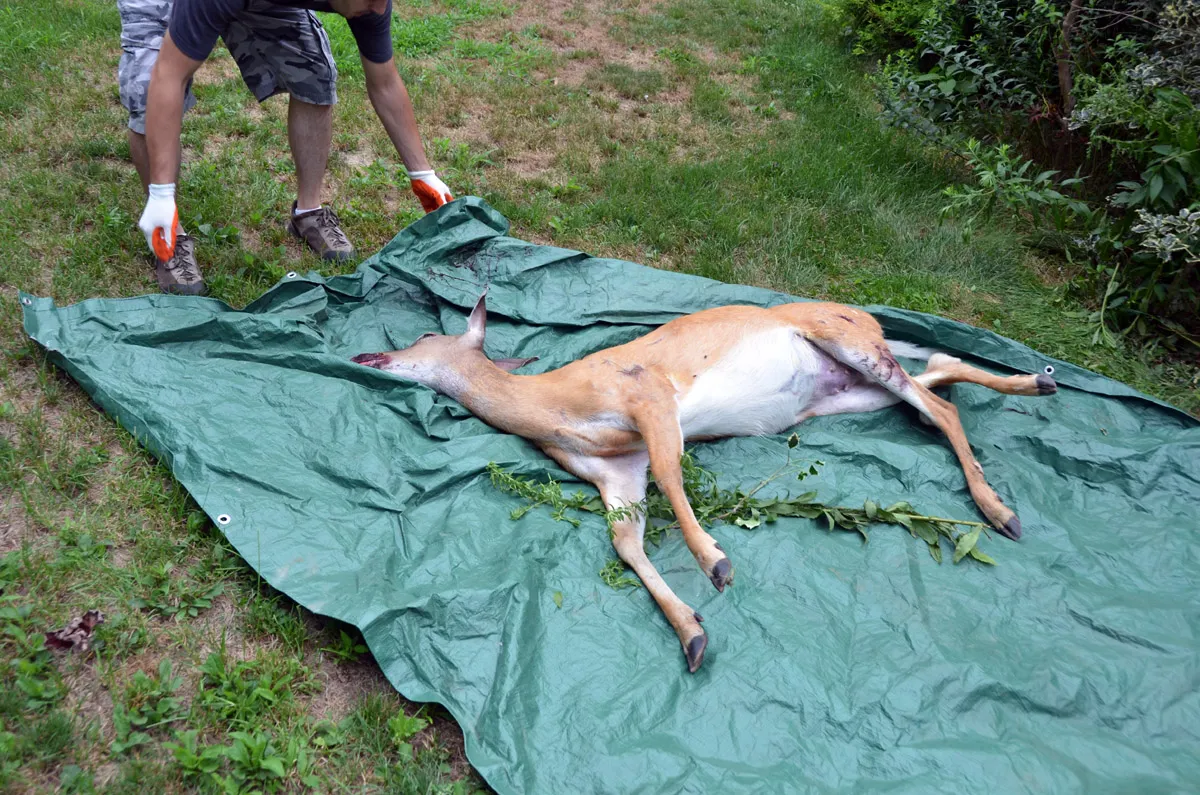
A dead deer on your property is a problem most homeowners are not equipped to handle. An adult deer weighs 100 to 200 pounds and cannot be placed in a garbage can. Most municipalities will not pick up dead deer from private property. TriState Wildlife removes dead deer from yards, driveways, wooded areas, ponds, and pools across New York, New Jersey, and Connecticut. Same-day service available 7 days a week. Competitive flat-rate pricing. Proper disposal included.
"TriState came out the same day and had it gone in 20 minutes. Fair price, no hassle."
— Kevin B., Bedford, NY
How We Work
Our Dead Deer Removal Process
Call us with the location and condition of the deer, and we provide a flat-rate quote over the phone. No hidden fees, no surprises.
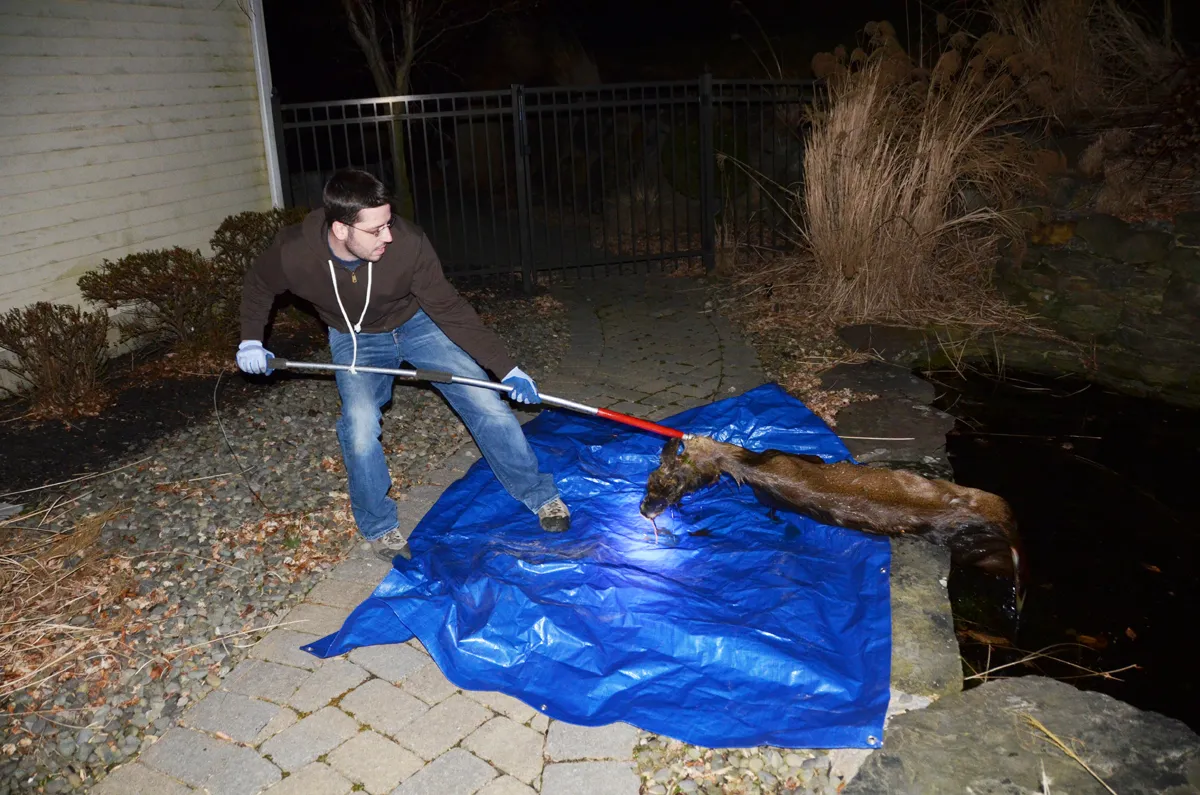
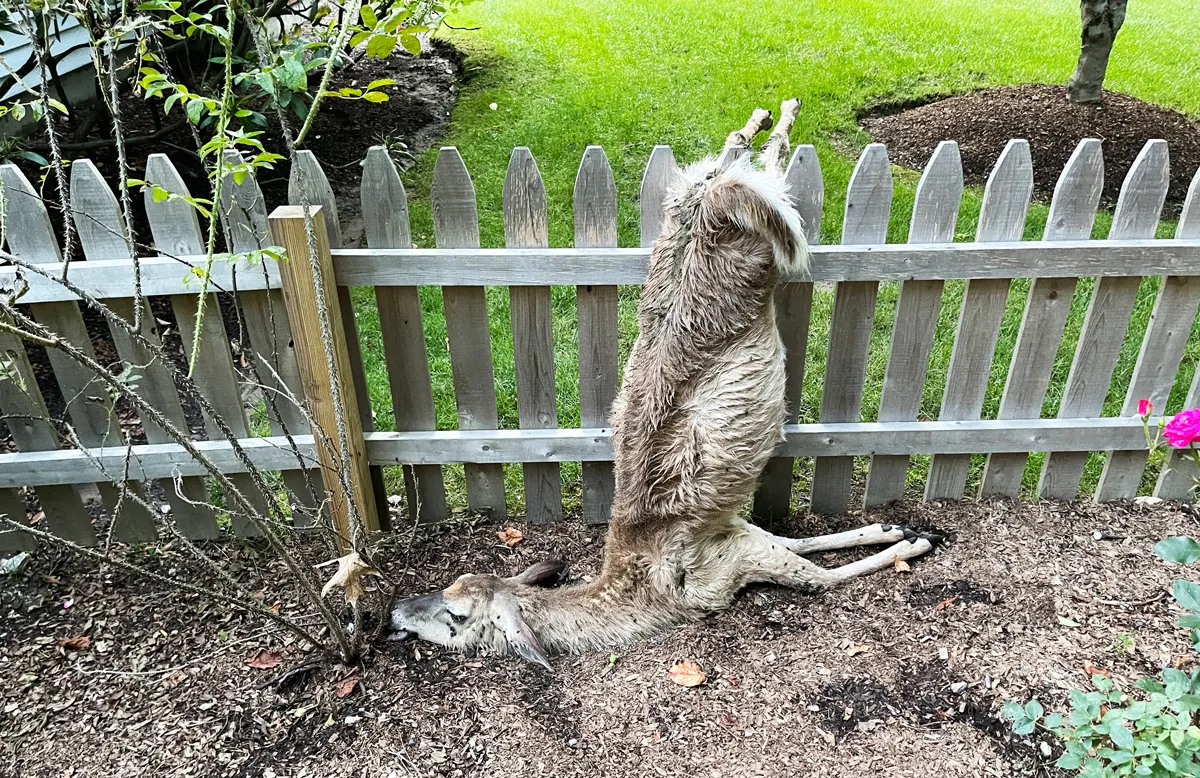
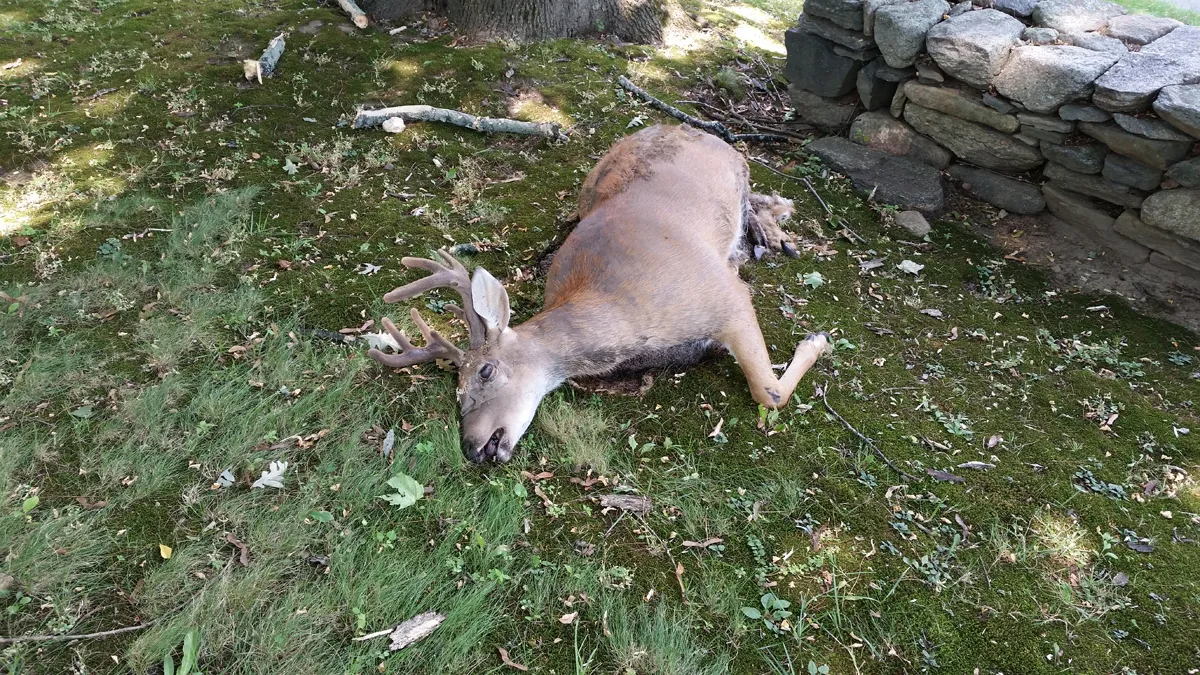
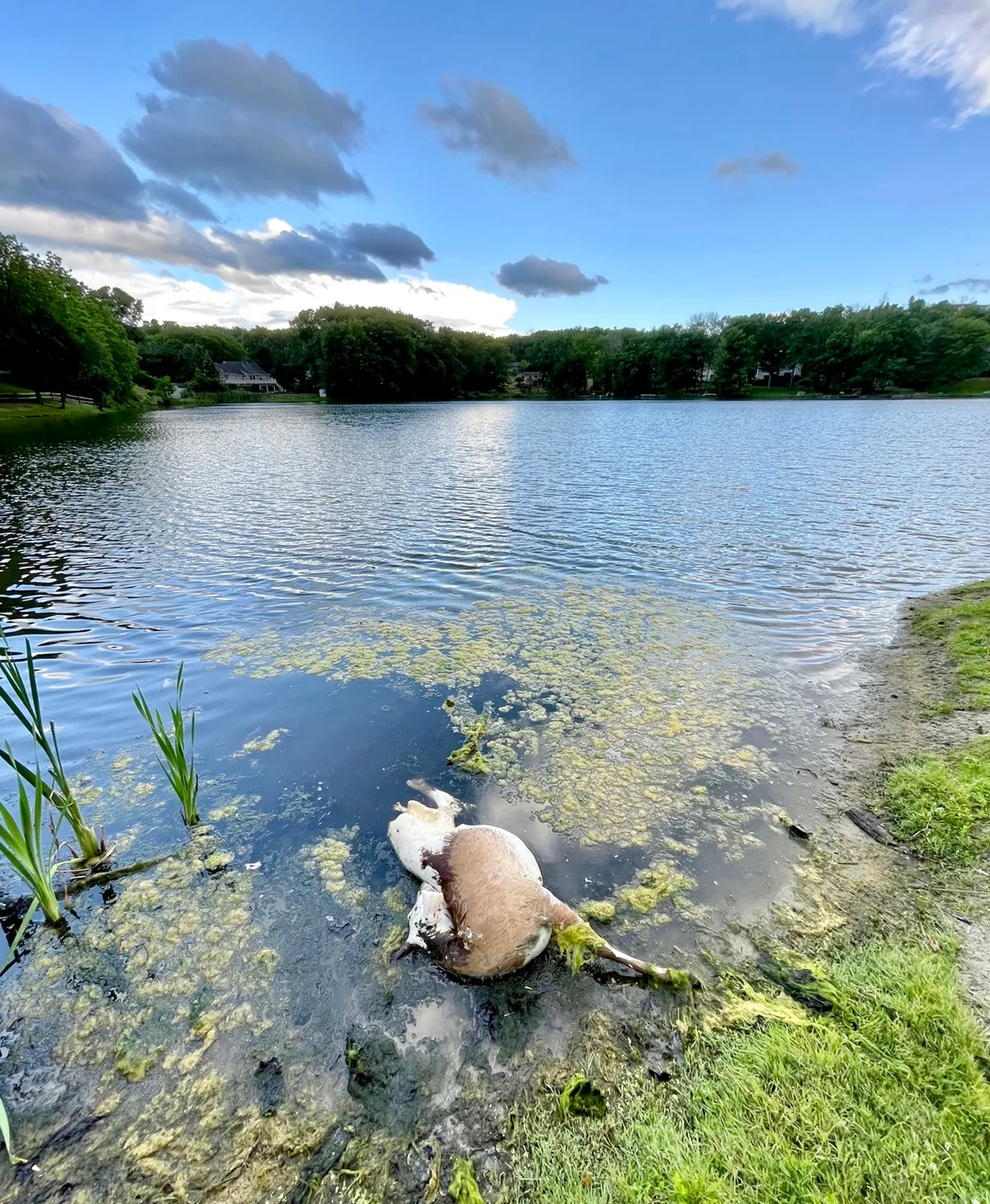
We arrive with the right equipment for the situation, whether it is a fresh roadkill deer on your front lawn, a decomposed carcass deep in a wooded area, a deer that has fallen into your pool or pond, or a deer that died from disease, a vehicle strike, or a hunting wound near your property.
We remove the deer and transport the carcass to a licensed disposal facility. You do not need to touch, move, or deal with anything.
Our Work
Photos from Recent Jobs
Driveway Removal
Yard Removal
Private Property Removal And Disposal
Same-Day Service
Why Call a Professional
Why You Should Not Handle a Dead Deer Yourself
It is heavier than you think. An adult deer typically weighs 100 to 200 pounds or more. A bloated, decomposing deer can weigh even more. Moving one requires equipment and physical capability most homeowners do not have, and dragging a carcass across your yard can spread fluids, hair, and ticks across the area.
Dead deer carry real health risks. Deer are the primary reproductive host for blacklegged ticks, and can carry dozens to hundreds of ticks at a time. Those ticks remain active and looking for a new host for hours after the deer dies. Lyme disease, anaplasmosis, babesiosis, and Powassan virus are all present in this region and are all transmitted by blacklegged ticks. Decomposing deer also attract flies, maggots, vultures, coyotes, raccoons, and other scavengers to your property.
You should treat every dead deer as potentially diseased. Chronic Wasting Disease (CWD), a fatal neurological disease in deer, has been detected in New York and is spreading through Pennsylvania toward New Jersey and Connecticut. An infected deer can look perfectly healthy. There is no way to tell without laboratory testing. The safe approach is to assume the worst and let a professional handle it with proper PPE and licensed disposal.
You cannot legally dispose of a deer carcass in your household trash. Most transfer stations and curbside programs will not accept animal carcasses. Improper burial can contaminate groundwater, and in a region with growing CWD pressure, burying a deer risks introducing prions into your soil that can remain infectious for years to decades. We transport every deer to a licensed disposal facility so you do not have to figure out where it can legally go.
Your town probably will not come get it. Most municipalities pick up dead deer from public roads but not from private property. In New York, the highway department responsible for maintaining the road handles carcasses: NYSDOT for state highways, county DPW for county routes, town highway departments for local roads. In New Jersey, NJDOT handles state highways (1-800-POTHOLE), but county and local roads fall to their respective departments. In Connecticut, CT DOT handles state roads and town public works handles local roads. But if the deer is on your lawn, in your yard, or in your pool, that is your responsibility in practice. That is exactly what we do.
What We See in the Field
Why Dead Deer End Up on Your Property
We remove dead deer year-round, but the calls follow a pattern. Understanding when and why deer die in the tristate area helps explain why you are dealing with one right now, and why it is more common than you might think.
October through December: The peak season. The fall rut (mating season) drives bucks across roads with little caution, often at dawn and dusk during commuting hours. New York recorded over 32,000 deer-vehicle crashes in 2024 alone. In New Jersey, AAA Northeast data showed roughly one animal-related crash every 31 minutes during the October-to-December window. Connecticut Agricultural Experiment Station research estimates only about 17% of deer-vehicle collisions in the state are reported, meaning the actual number of deer killed by vehicles is several times higher than official figures suggest. This is also firearms hunting season across all three states, and wounded deer frequently travel hundreds of yards into suburban yards and wooded areas before dying, which is why homeowners find carcasses on their property even when no accident happened nearby.
August through October: EHD season. Epizootic Hemorrhagic Disease is a viral illness spread by biting midges that causes deer to develop high fevers. Infected deer seek water to cool off, which is why we regularly remove deer from ponds, pools, streams, and drainage areas during late summer. New York, New Jersey, and Connecticut have all experienced EHD outbreaks in recent years. EHD does not affect humans or pets.
March and April: Winter die-offs. Harsh winters take a toll on fawns and older deer. After a tough season, we see an uptick in calls as snow melts and homeowners discover carcasses that have been on their property for weeks.
May and June: Fawning season. Young fawns that fail to thrive and yearling bucks dispersing into new territory create a smaller but consistent wave of calls, particularly in suburban neighborhoods with heavy landscaping and tall grass.
The tristate area is home to roughly 1.4 million deer. Suburban communities in parts of New Jersey, Westchester County, Long Island, and Fairfield County regularly see deer densities of 60 to over 100 per square mile, well above the 10 to 20 per square mile that wildlife biologists generally consider sustainable for Northeast forests. More deer means more vehicle strikes, more disease, and more carcasses turning up where people live.
Chronic Wasting Disease
CWD Is Getting Closer to the Tristate. Here Is What That Means for You.
Chronic Wasting Disease is a fatal, incurable neurological disease caused by misfolded proteins called prions. It affects deer, elk, and moose, and as of 2026 it has been reported in 37 U.S. states. There is no vaccine, no treatment, and no cure. Once CWD prions enter the soil, they can remain infectious for years to decades.
CWD has not been detected in wild deer in New York since 2005, when the state eradicated an outbreak that was found in both captive and wild deer in Oneida County, making New York the only state to have ever successfully eliminated CWD. But in late 2024, CWD resurfaced: 4 out of 200 captive red deer tested positive at a farm in Herkimer County. More than 200 wild deer in the surrounding area and over 3,000 statewide were tested, all negative, but surveillance is ongoing. New Jersey and Connecticut have never detected CWD in wild or captive deer, but the disease is closing in. Pennsylvania has confirmed cases in its northeastern counties, including Luzerne County, roughly 30 miles from the New Jersey border. In April 2026, Delaware confirmed its first-ever case in a wild deer, making it the 37th state with CWD. Connecticut has been testing deer since 2003 (nearly 10,000 samples to date, all negative), but state wildlife officials have said it is a matter of when, not if, the disease reaches the region.
Why this matters when you find a dead deer: An infected deer can carry and shed CWD prions for over a year without showing any symptoms. There is no way to identify CWD without laboratory testing. A deer that appears to have been hit by a car or died of natural causes could be carrying the disease. The CDC recommends avoiding contact with brain, spinal cord, and lymph node tissue from any dead deer.
We treat every deer we remove as if it could be carrying disease. Our technicians wear proper PPE, and we transport all carcasses to licensed disposal facilities, never to an open dump or unlined landfill. In a region where CWD is approaching, proper disposal is not just about getting rid of the smell. It is about keeping prions out of the soil on your property.
What Customers Say
Dead Deer Removal Reviews
"Dead deer in the backyard. Town said they only pick up from roads. TriState came out the same day and had it gone in 20 minutes. Fair price, no hassle."
Kevin B.
Bedford, NY · Westchester County
"Deer fell into our pool and drowned. Nobody would touch it. TriState pulled it out and handled everything. Grateful they exist."
Ellen D.
Briarcliff Manor, NY · Westchester County
"Decomposing deer at the edge of our property for days. Town and county both said it was our problem. TriState picked it up the same morning I called."
James W.
Putnam Valley, NY · Putnam County
"I had a huge dead deer in my yard. I called late Friday evening after the discovery, and Kris' team from TriState removed the deer first thing on Saturday morning."
Alfredo Q.
Yorktown Heights, NY · Westchester County
Common Questions
Dead Deer Removal FAQ
If the deer is on private property, your municipality will likely not pick it up. In New Jersey, state regulation (N.J.A.C. 7:25-17.5) directs police to arrange disposal upon a homeowner's request, but many departments redirect callers to private services. In New York and Connecticut, private-property carcasses are the homeowner's responsibility. For deer on your lawn, in your yard, in a pool, or in a wooded area on your property, call a licensed wildlife removal service like TriState Wildlife. We provide same-day service with flat-rate pricing.
In some cases, but it is generally not the best option. A burial depth of at least three feet with setbacks from water sources and wells is the standard best practice across the region. In a region with growing CWD pressure, burying a deer can introduce prions into the soil that may persist for years to decades. Connecticut allows burial and composting of carcasses subject to local ordinances and water-protection siting requirements. Licensed disposal at a proper facility is the safer option in all three states.
In warm weather, bloat and noticeable odor begin within 24 to 72 hours. Peak odor and active decay, including maggots and significant fly activity, hit within 3 to 10 days. In colder months, decomposition slows considerably, but the smell will return as temperatures rise. Scavengers like vultures, coyotes, and raccoons typically arrive within 1 to 2 days.
We recommend against it. Dead deer can carry dozens to hundreds of active blacklegged ticks that transmit Lyme disease, anaplasmosis, babesiosis, and other tick-borne illnesses common in this region. Decomposing carcasses can also release harmful bacteria and other pathogens. And with CWD now detected in the region, the CDC recommends avoiding contact with brain, spinal cord, and lymph node tissue from any dead deer. If you must approach the animal, wear gloves, long sleeves, and check yourself thoroughly for ticks afterward. Always speak with your local health department before making any contact with a dead deer.
Most towns will pick up dead deer from public roads, but not from private property. In New York, contact the highway department that maintains the road: NYSDOT for state highways, county DPW for county routes, or your town highway department for local roads. In New Jersey, call NJDOT at 1-800-POTHOLE for dead deer on state highways and interstates only; county and local roads are handled by their respective departments. In Connecticut, call CT DOT for state roads or your town highway department. If the deer is on your property, you will typically be told to contact a private removal service.
TriState Wildlife provides flat-rate pricing quoted over the phone based on location, accessibility, and condition of the deer. No hidden fees. Call us for a quote. Pricing is competitive and includes proper disposal.
CWD is a fatal brain disease caused by misfolded proteins (prions) that affects deer, elk, and moose. It has been detected in 37 U.S. states as of 2026. New York found CWD in wild deer once before, in 2005, and successfully eradicated it, but the disease resurfaced in captive deer in 2024. Pennsylvania has confirmed cases in counties near the NJ border, and Delaware confirmed its first wild-deer case in 2026. There is no cure, and infected deer can appear healthy for over a year while shedding the disease. The CDC recommends caution when handling any dead deer, and proper disposal at a licensed facility is the safest approach.
Same-day service is available 7 days a week. In many cases we can be there within a few hours of your call.