Dead Animal In Your Home? Emergency Service Available
Family Business Since 1998
Licensed & Insured
Free Quotes
Humane Removal & Relocation
Industry Leading Guarantees
A dead animal in your wall, ceiling, crawl space, or yard creates an unbearable odor that can last for weeks. TriState Wildlife locates and removes dead animals from homes and properties across New York, New Jersey, and Connecticut. We find the source, remove it, sanitize the area, neutralize the odor, and seal the entry point to prevent it from happening again. In many cases same-day service is available 7 days a week.
"Found the dead raccoon in less than 20 minutes, removed it through a small access hole."
— Diana P., Mamaroneck, NY
How We Work
Professional Dead Animal Removal Process
The hardest part is finding it. The smell tells us it is there, but locating a dead animal inside a wall or ceiling requires experience. We use flex cameras, scent tracking, thermal imaging, and our knowledge of how different species travel through structures to pinpoint the location. Occasionally test holes need to be opened to assist in the discovery process.
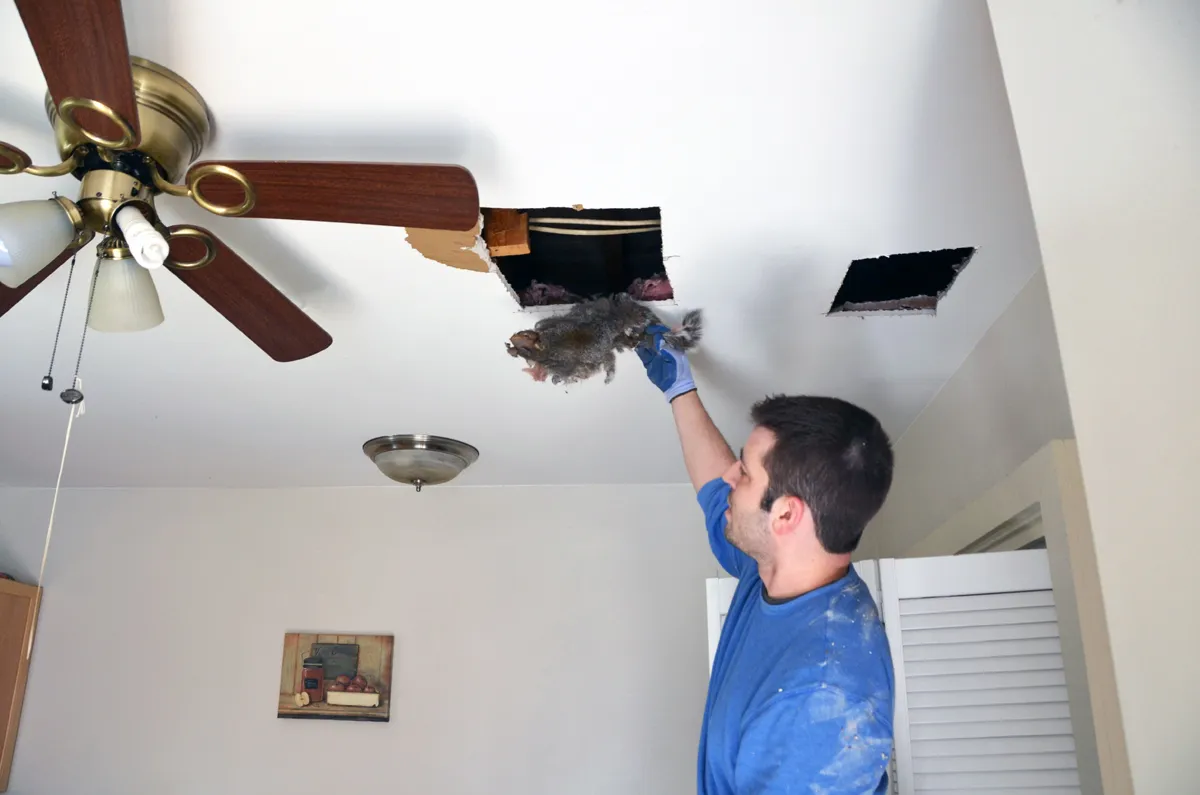
Once located, we make a small, controlled opening to access and remove the carcass. We minimize wall or ceiling damage and can often access through existing openings like vent covers, attic hatches, or crawl space entries.
After removal, we sanitize the area with antimicrobial treatment, apply odor neutralizer, and seal the entry point the animal used to get into the structure. If the death was caused by poison (a common scenario with rodents), we recommend switching to our poison-free rodent control program.
Our Work
Photos from Recent Jobs
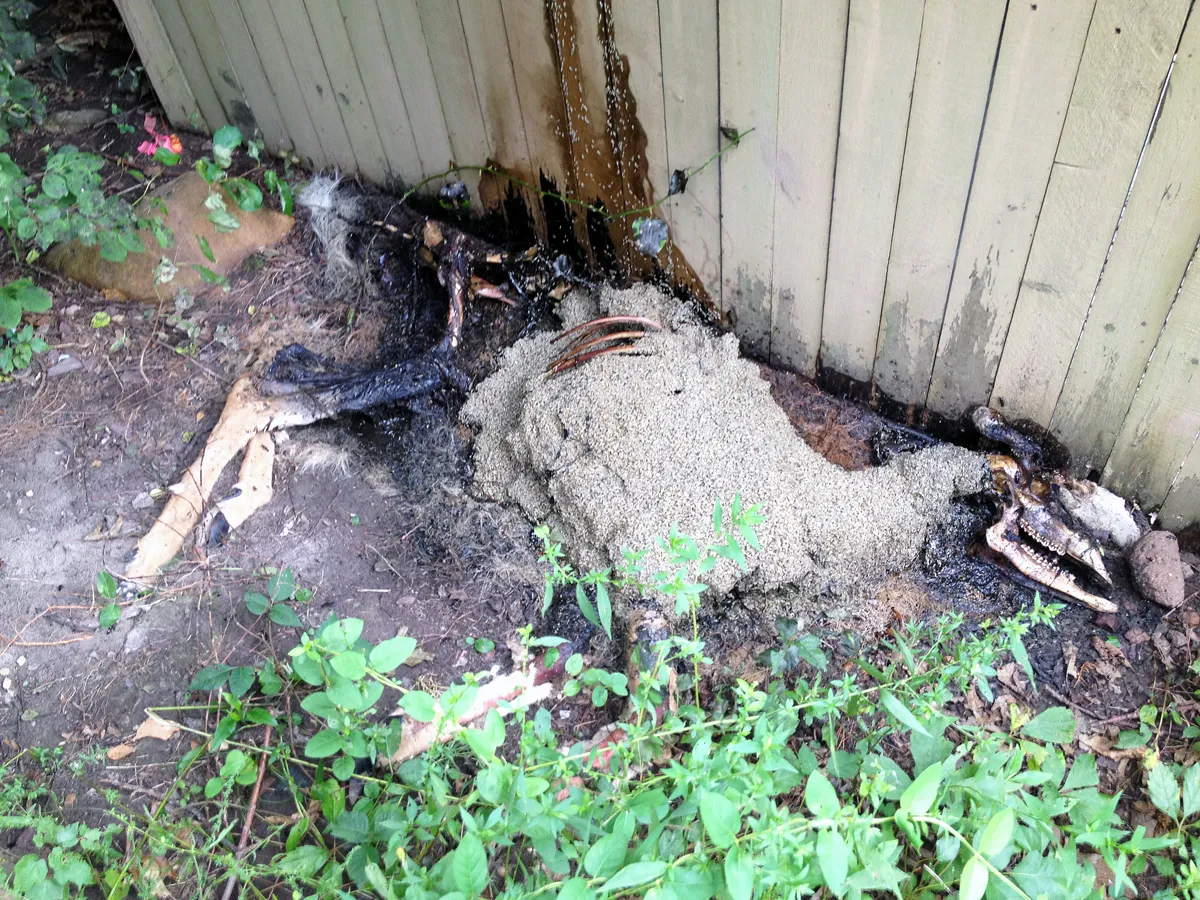
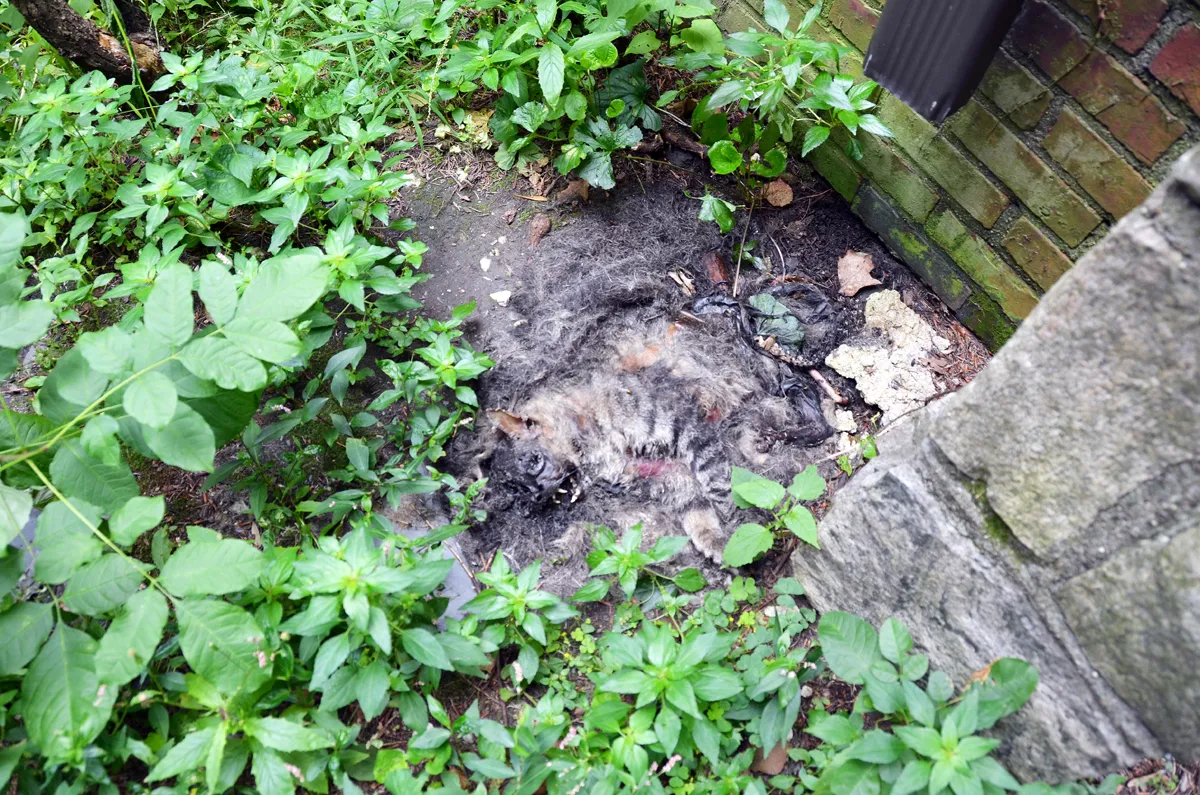
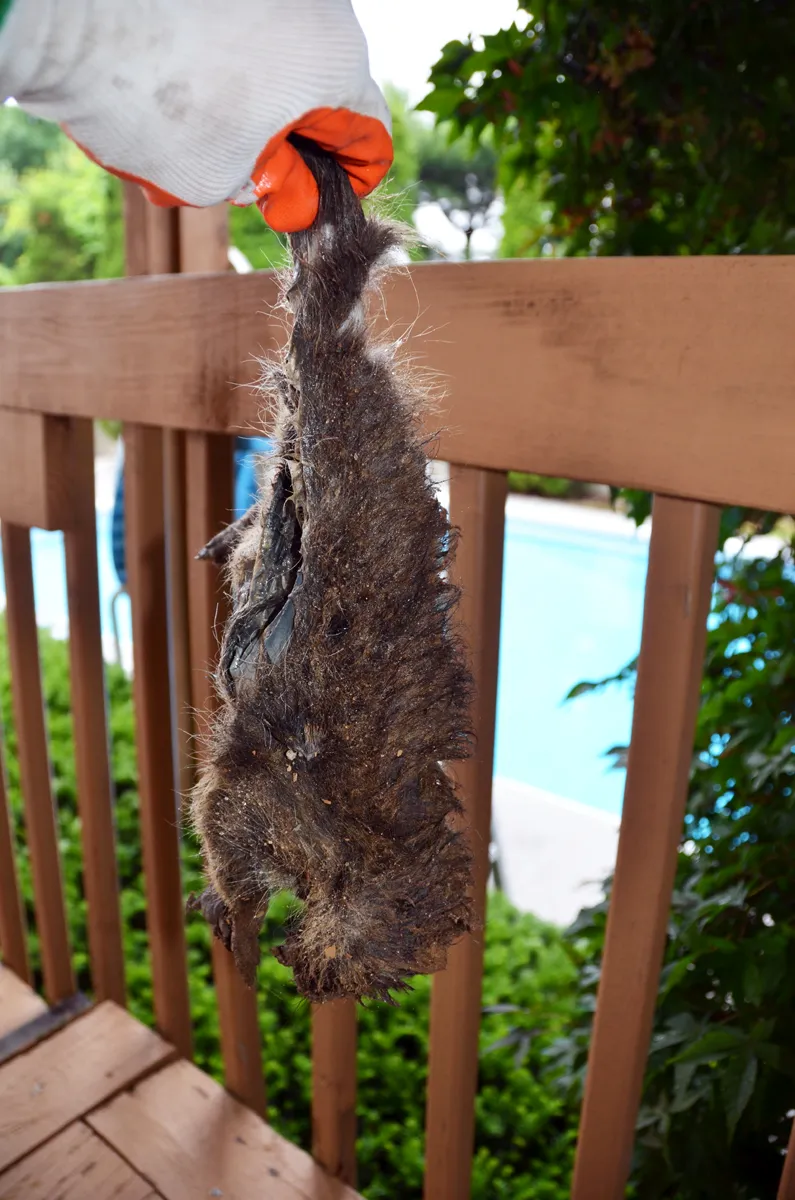
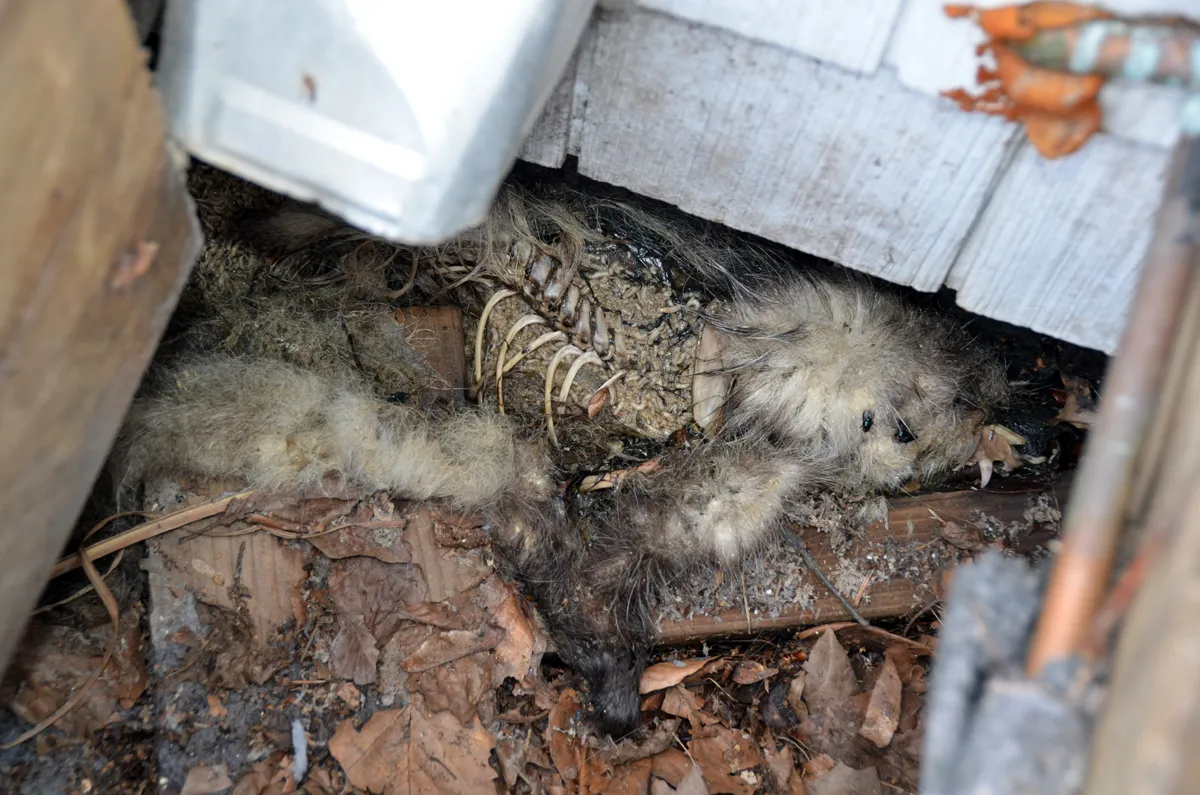
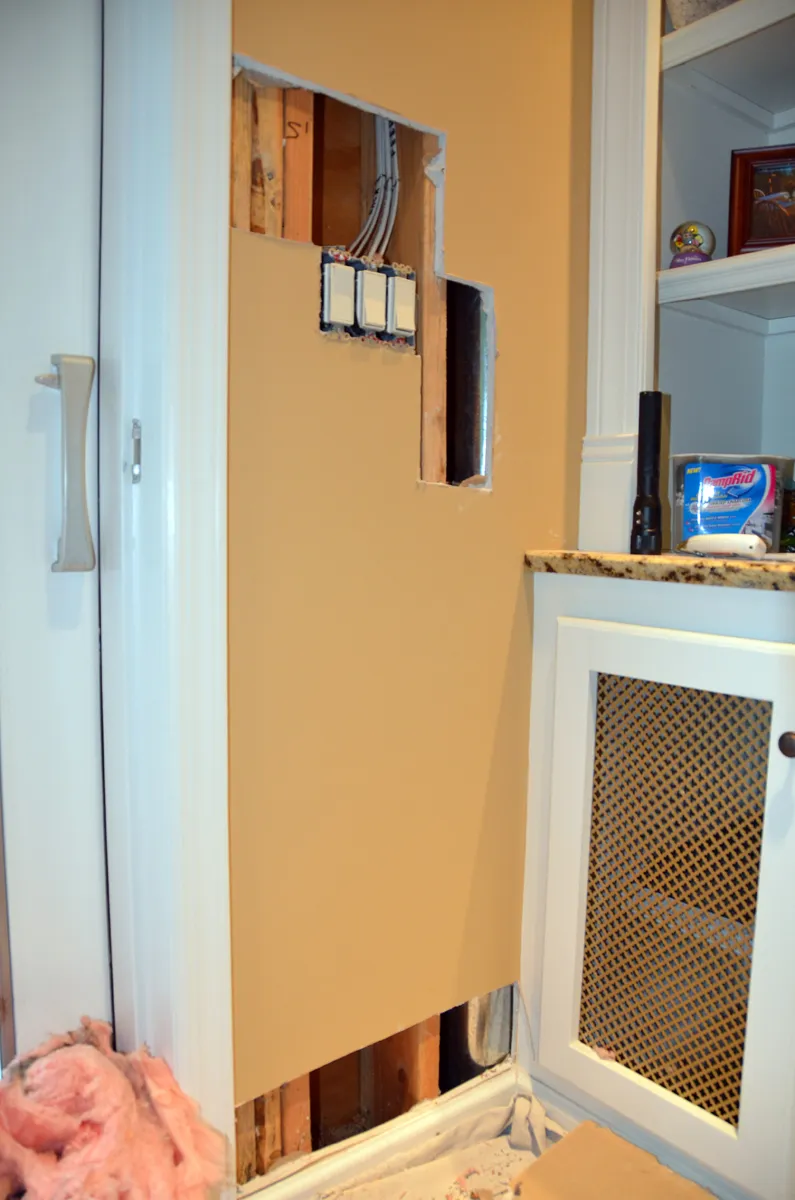
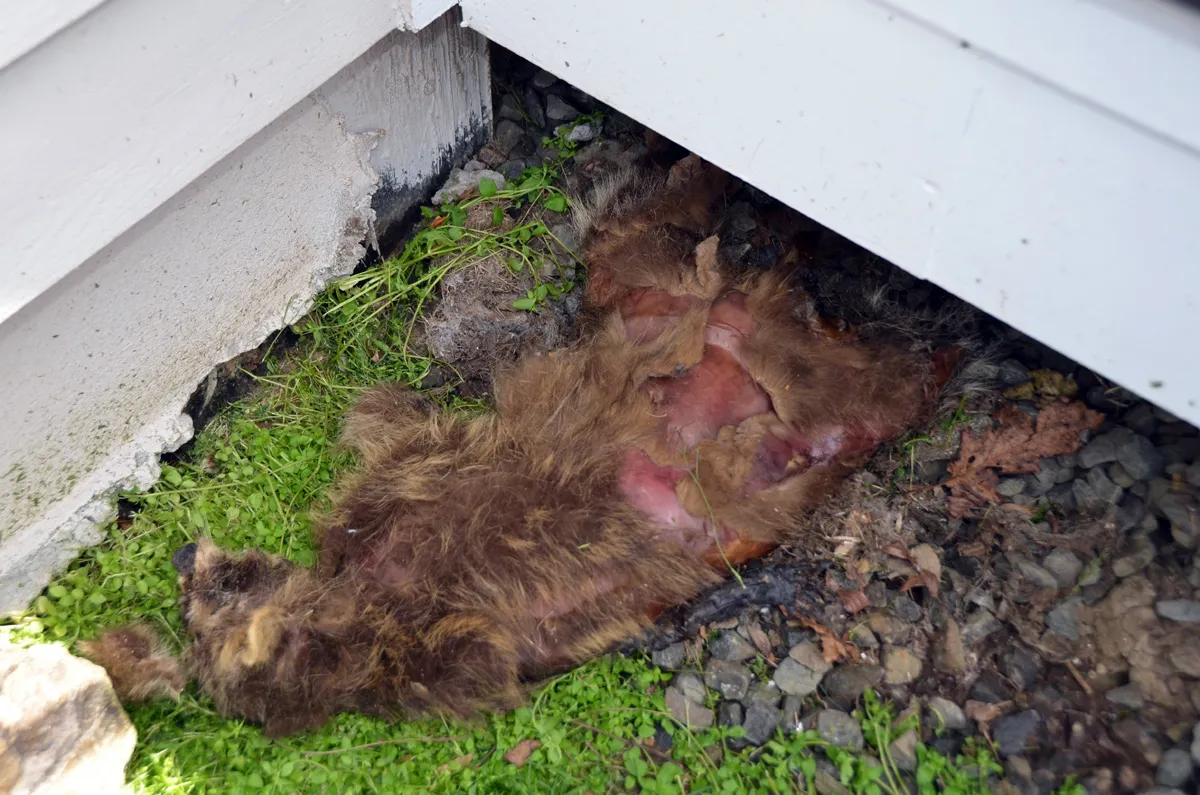
Dead Deer - Flies And Maggots
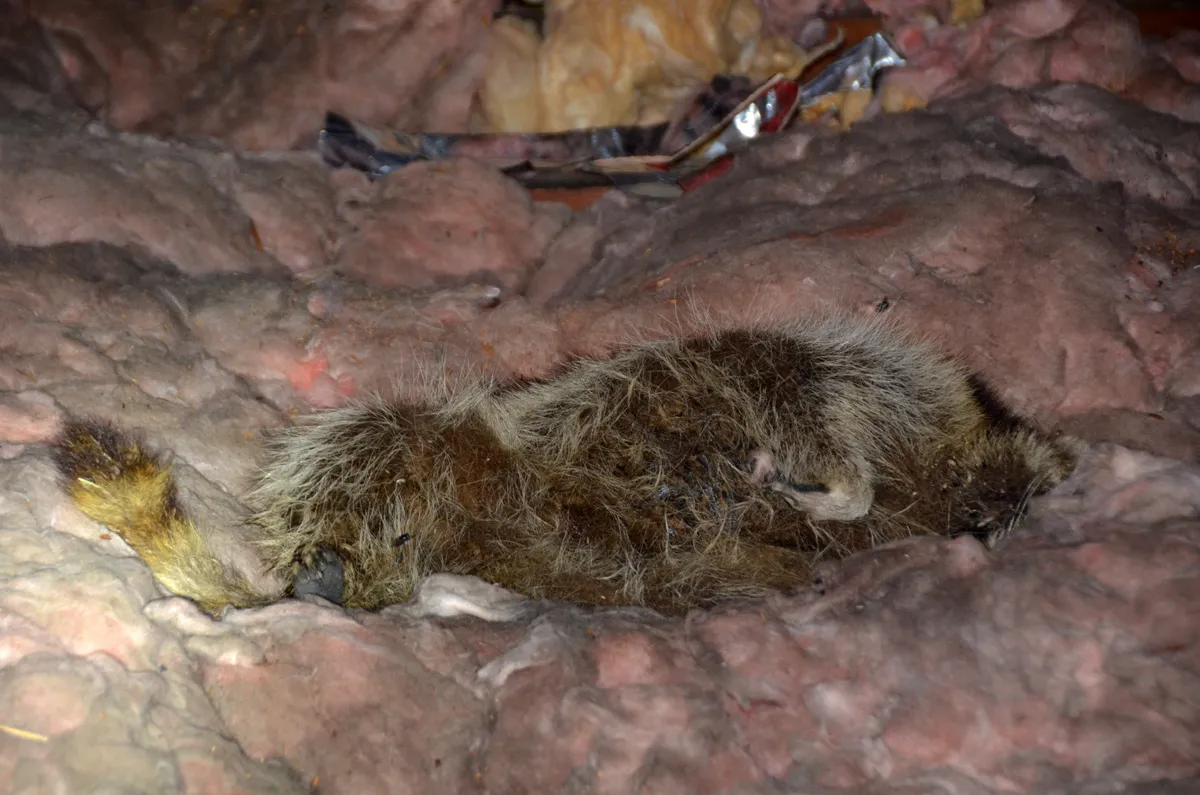
Dead Animal In The Wall
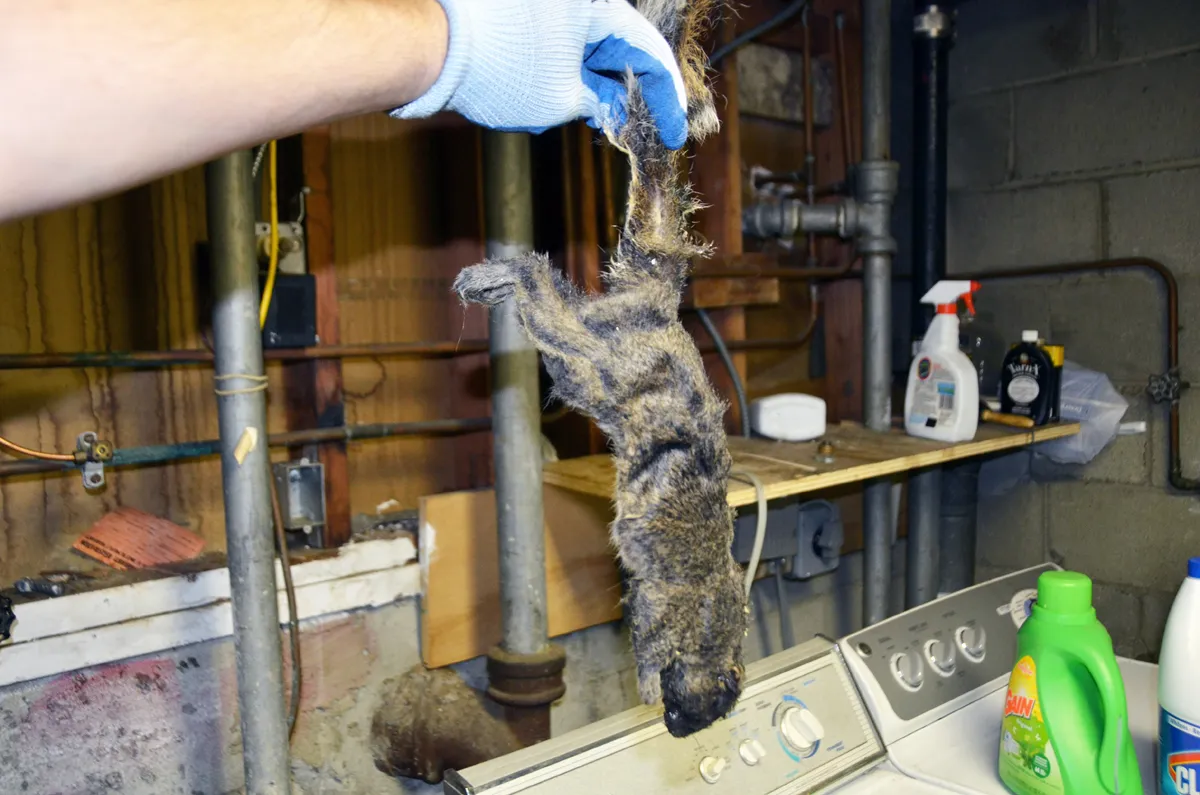
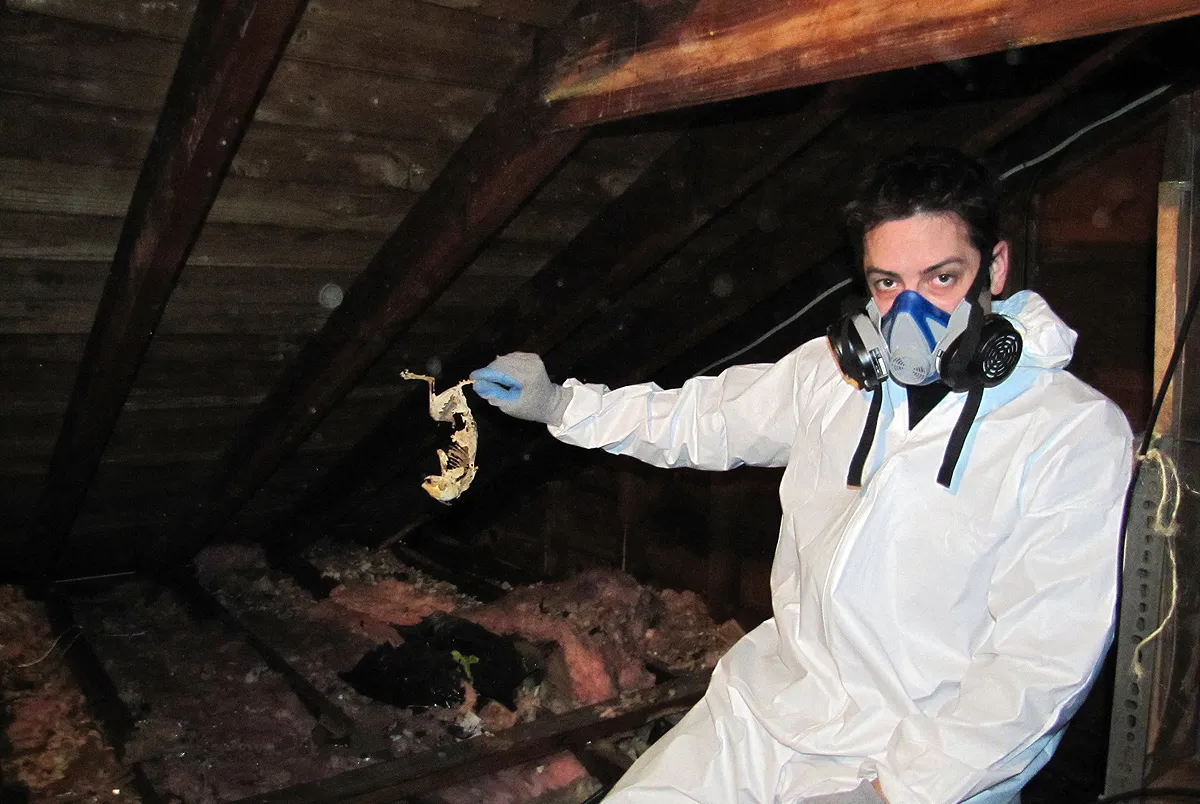
Removal And Odor Treatment
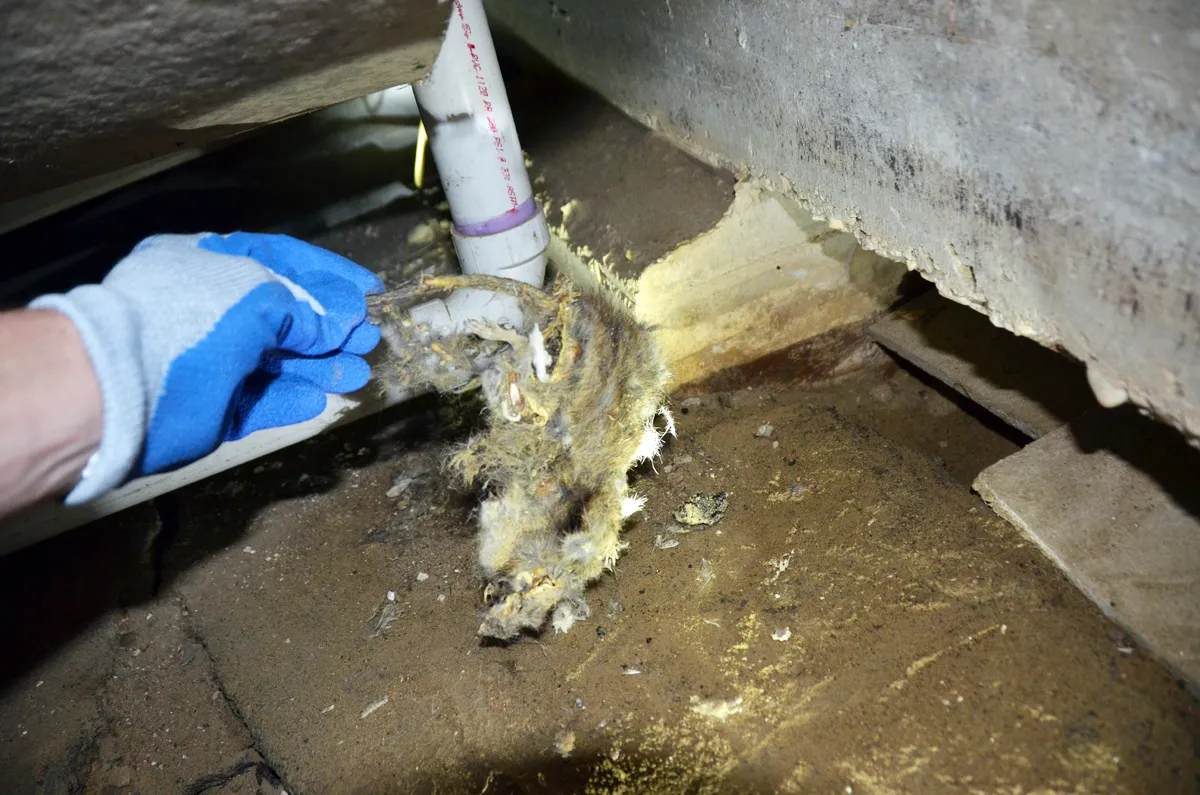
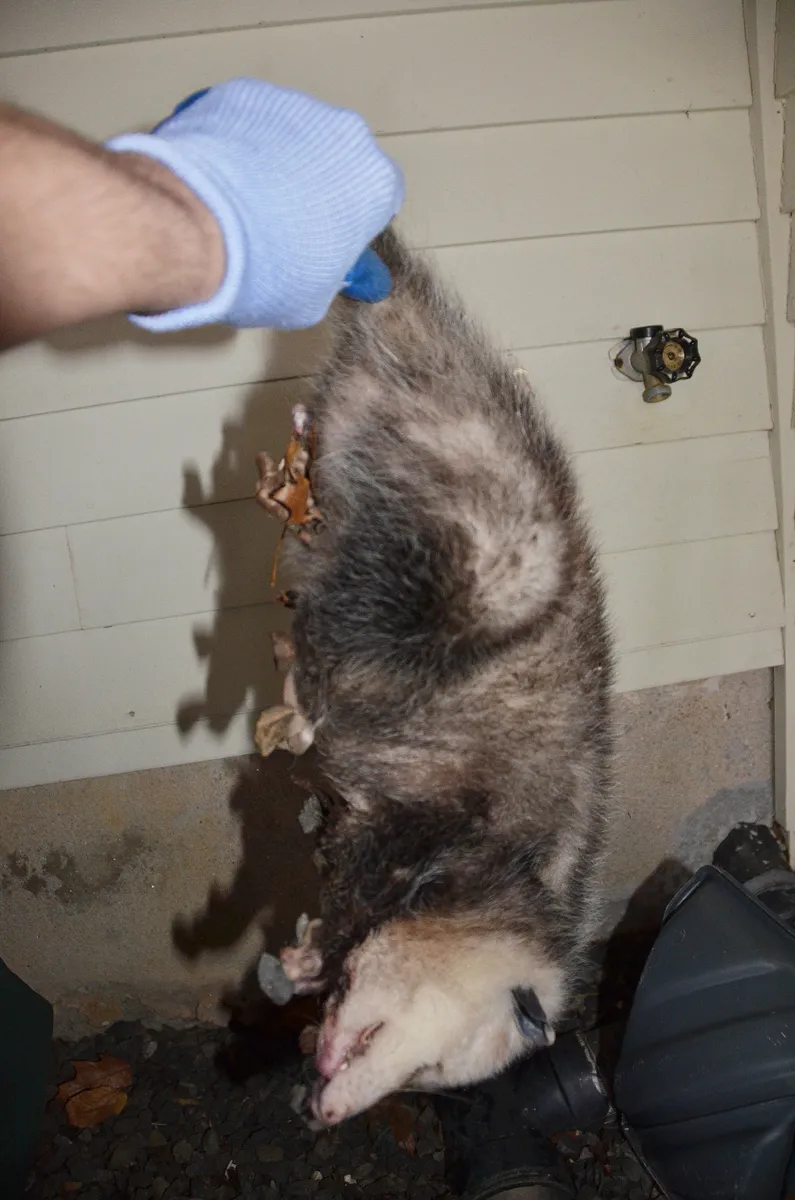
Crawl Space Removal
Common Scenarios
Where Dead Animals Are Found
Inside walls. The most common call. Usually a mouse or rat that was poisoned and retreated into the wall to die. Sometimes a squirrel or bird that entered through a gap and could not get out. We open the area, remove the carcass, sanitize, and reseal properly.
In attics and crawl spaces. Raccoons, squirrels, and birds that die in attics. Often discovered by smell or by flies in the living area below. Animals living in the attic can occasionally die after ingesting old poison, or of various diseases such as rabies.
Under structures. Opossums, skunks, raccoons, groundhogs, and other animals often die under porches, decks, and sheds. The smell is usually most noticeable in warm weather. These animals are often injured by predators or dying of an illness and seek a safe shelter to die.
Chimney. We get many calls for dead raccoons and dead squirrels in the chimney during baby season. Often these critters fell in and couldn't climb back out. Noise in the chimney should never be ignored. We extract through the cleanout door or roof access and install a chimney cap to prevent recurrence.
Dryer vent or exhaust fan. Common with starlings and squirrels nesting in vents. We extract the dead animal and the nesting material, then install a screened vent cover.
In yards. Deer, raccoons, and other animals found dead on the property. These animals can be hit by cars, killed by predators, or dying of disease. We handle carcass removal and disposal for residential and commercial properties.
Health Concerns
Odor, Flies, Bacteria & Secondary Pests
A decomposing animal creates a potent odor that permeates the surrounding structure. The smell attracts blowflies, which lay eggs that hatch into maggots. Maggots and adult flies can migrate into living spaces.
Decomposition fluids stain building materials and can seep through drywall. Bacteria from the carcass can create health hazards, especially in enclosed spaces. Professional sanitization after removal is not optional.
If you suspect the animal died from poison, that poison is still present in the carcass. Pets and children should be kept away from the area until the animal is removed. Learn why we use a poison-free approach for rodents.
How long does dead animal smell last?
Times can vary greatly by species. With small rodents such as mice the length of time the smell will stick around can be measured in days and weeks. With larger animals such as raccoons, the smell can last for months.
Depending on where the carcass is located, the odor may come and go depending upon temperature and humidity.
The only reliable way to remove the odor is to first locate and remove the carcass. Afterward we treat the areas with enzymatic odor neutralizers that can actually remove odors rather than temporarily masking them.
"Horrible smell in the kitchen wall. Our exterminator said to wait it out. TriState came out, found the dead raccoon in less than 20 minutes, removed it through a small access hole. Smell was gone by the next day."
Diana P.
Mamaroneck, NY · Westchester County
"Dead mouse smell in the wall. Pest company had used poison. TriState removed the mouse, sanitized, and switched us to their poison-free program. Should have done this from the start."
Greg N.
Stamford, CT · Fairfield County
"Dead opossum under our deck in July. The smell was making us gag. Kris came out the same day, removed it, sanitized the area. Lifesaver."
Doug H.
Stony Point, NY · Rockland County
"I called Kris on a weekend after spotting a dead animal in our pond. He came by just a couple of hours later and calmly handled the situation, removing a dead raccoon and disposing of it properly. It's not the kind of job anyone wants to deal with, but he made it easy."
Shirley S.
Greenwood Lake, NY · Orange County
Common Questions
Dead Animal Removal FAQ
Without removal, the average time is 2 to 6 weeks depending on the size of the animal and the temperature. A mouse in a wall may take 2 weeks. A raccoon can take 6 weeks or more. Removal and sanitization eliminate the smell within 24 to 48 hours.
Experience, scent tracking, camera imaging, and thermal imaging. The smell is strongest near the source. We also consider the animal's likely travel path based on the species and the structure. Most dead animals in walls are found near their entry point.
Sometimes a small access hole is needed, but we minimize wall damage. We often access through existing openings like vent covers, attic hatches, or electrical access panels. If drywall cutting is needed, we make the smallest openings possible.
Technically yes, but we do not recommend it. The smell lasts weeks on average, and larger animal smells can last for months. The carcass attracts flies and maggots, and decomposition fluids can stain building materials permanently. Removal is faster, cleaner, and addresses the root cause.
Pricing depends on the location and accessibility of the animal. A dead animal in a crawl space is straightforward. One inside a wall requires more work. We provide upfront pricing before starting.
In most municipalities, homeowners are responsible for dead animals on their private property, while the town or city handles dead animals on public roads and right-of-ways. There are exceptions, so contact your local town hall or police non-emergency line if you're unsure. For dead wildlife on your private property in NY, NJ, and CT, TriState Wildlife handles removal from yards, driveways, ponds, attics, walls, crawl spaces, and chimneys, then sanitizes and neutralizes odor. Same-day service is available in most cases. For deceased pets, contact your veterinarian or a pet-cremation service.
We strongly advise against it. Dead animals can carry harmful bacteria, parasites, and disease, and decomposition fluids contaminate any surface they touch. If you must handle a carcass yourself, contact your local health department first and use full PPE: gloves, mask, and sealed disposal bags. Professional removal is faster, cleaner, and addresses the root cause.
No. We handle wildlife only. For deceased pets, contact your veterinarian, your local animal control, or a pet-cremation service.